Matter Smart Lock Setup 2026: Thread, Renters, Codes, and Access Control
A practical 2026 Matter smart lock guide for homeowners and renters: Thread hubs, access codes, privacy, batteries, fallback keys, and platform setup.
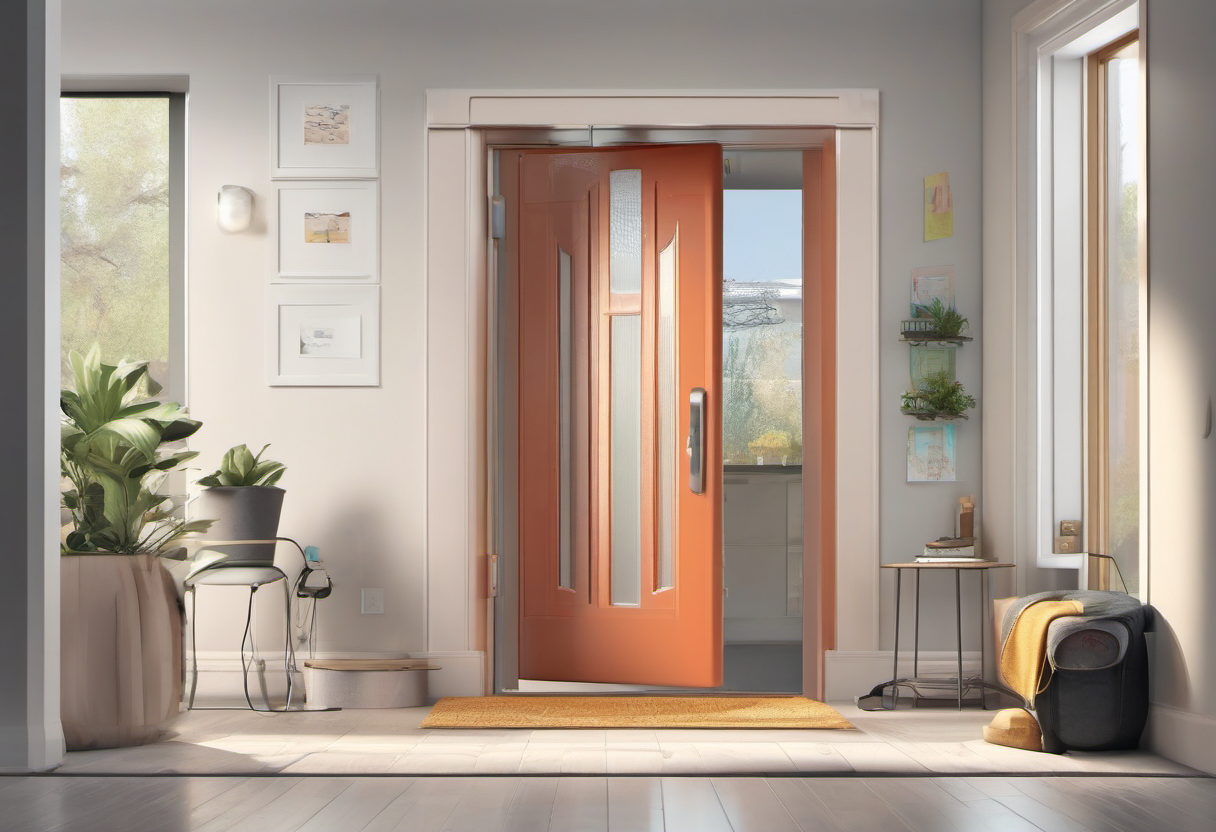
Matter did not make smart locks simple overnight. What it did is more useful: it gave lock makers, phone platforms, hubs, and low-power radios a common language so a front door can become less tied to one vendor account. In 2026, the best Matter smart-lock setup is not the one with the longest compatibility logo strip on the box. It is the setup where the physical deadbolt is correctly installed, the Thread or Wi-Fi network is stable, every household member has the least access they need, and the lock still opens when the internet, batteries, or a phone app fails.
This guide is written for the practical decision most buyers face: should you choose a Matter-over-Thread lock, a Wi-Fi Matter lock, a retrofit interior lock for a rental, or a conventional smart lock that happens to integrate with one platform very well? If you want a broader explanation of the standard itself, start with our Matter protocol guide. If you are comparing brands and deadbolt grades, pair this article with the smart locks comparison. Here we focus on deployment: what to buy only after checking your door, hub, lease, network, security habits, and fallback plan.
The 2026 short answer
Choose a Matter smart lock if three conditions are true. First, the lock fits your door without forcing the bolt, because motorized locks punish poor alignment with short battery life and false jam alerts. Second, your home already has the right controller: Apple Home, Google Home, Amazon Alexa, SmartThings, Home Assistant, or another Matter controller that explicitly supports locks. Third, if the lock uses Thread, you have at least one Thread border router that stays powered all the time.
For homeowners starting fresh, the strongest long-term architecture is usually Matter over Thread for the lock, Ethernet or reliable Wi-Fi for the hub, and named PINs for people. Thread keeps the battery device off your congested Wi-Fi network, while the border router bridges the low-power mesh back to your home network. For renters, the best architecture is often retrofit lock first, Matter second. Keeping the original exterior cylinder, avoiding drilling, and restoring the door at move-out are more important than chasing every automation feature.
Do not buy a lock just because it says Matter. Ask these questions before checkout:
- Does the lock support your platform’s current lock features, not just generic pairing?
- Is it Matter-over-Thread or Matter-over-Wi-Fi, and do you own the required hub?
- Does the product keep a physical key, emergency power contact, or another offline fallback?
- Can you create named, temporary, or scheduled access codes?
- Are firmware updates automatic, signed, and documented by the manufacturer?
- If you rent, can the lock be removed without changing the landlord’s exterior hardware?
Matter, Thread, and locks are three separate decisions
Matter is the application standard that helps devices and controllers agree on identity, commissioning, permissions, and device behavior. Thread is a low-power IPv6 mesh network commonly used by battery smart-home devices. A smart lock is a mechanical security device with electronics attached. Treating those as one decision leads to bad purchases.
A Matter lock can be excellent, but it still has to be a good lock. The deadbolt must extend cleanly into the strike plate. The keypad should remain readable in rain and direct sun. The battery compartment must be reachable from inside. The motor should not have to grind through a sticky door. If the door swells seasonally, fix the strike alignment before installing any motorized lock.
Thread matters because locks sleep most of the time. A Wi-Fi radio is powerful but relatively hungry; a Thread radio is designed for low-power mesh devices. Thread also avoids the common problem of a lock at the edge of a porch trying to hold a weak 2.4 GHz Wi-Fi connection through brick, metal doors, or foil-backed insulation. The tradeoff is that Thread needs a border router: a HomePod mini or Apple TV model with Thread, a Nest Hub or compatible Google device, some Eero routers, SmartThings Station or hub models, or another product that explicitly serves that role. Check current platform support before buying because hub capabilities differ by generation.
Matter’s multi-admin feature is the reason many households care. In theory, the same lock can be added to Apple Home for one person, Google Home for another, and SmartThings for automations. In practice, core lock state usually works first; advanced management such as PIN schedules, one-touch locking behavior, keypad options, and detailed history may remain in the manufacturer’s app or vary by platform. The right expectation is portability and basic interoperability, not identical feature panels everywhere.
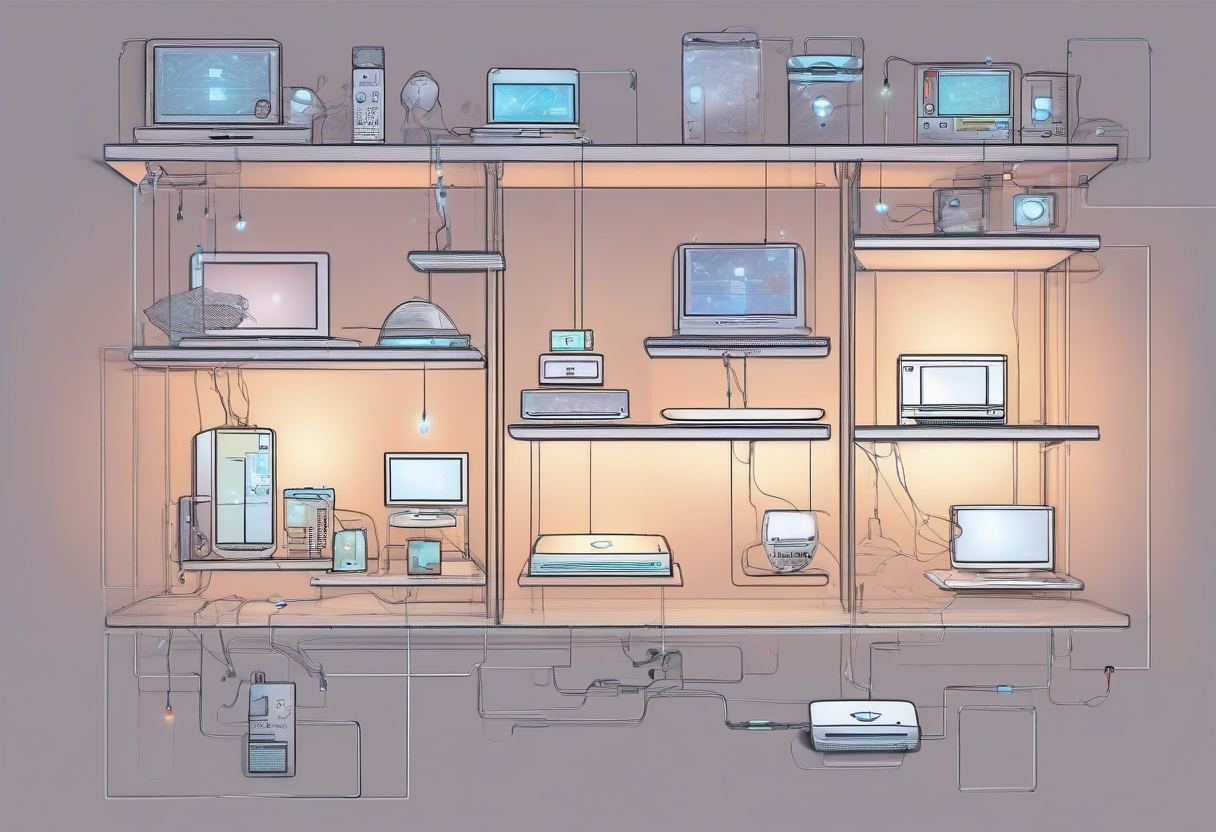
Homeowner setup: build around the door, not the app
A homeowner can optimize for long-term reliability because they can adjust the door hardware. Start by testing the existing deadbolt manually. With the door open, the bolt should extend smoothly. With the door closed, it should still extend smoothly using only light finger pressure. If it binds, the smart lock motor will fight the same friction every day. That shortens battery life and may create false jam errors that look like software problems.
Next, identify the door material and exposure. Metal doors, deep porches, brick walls, and distant routers are common reasons locks become intermittent. A Thread border router near the front of the home may be more valuable than a more expensive lock. If the lock is Wi-Fi-based, use a stable 2.4 GHz network name and avoid steering behavior that constantly pushes low-power devices between access points. Our mesh Wi-Fi guide is useful if the door sits at the edge of coverage.
Then decide where the intelligence should live. Platform-first households may prefer a lock that is fully supported in Apple Home, Google Home, Alexa, or SmartThings. Automation-heavy households may prefer a hub-based design where the lock, contact sensor, alarm, lights, and routines are governed locally as much as possible. If you are already evaluating hubs, compare the ecosystem notes in our SmartThings, Hubitat, and Home Assistant hub guide.
Finally, write down the manual failure plan before pairing anything. Which person has the physical key? Where are spare batteries stored? Can the lock be powered from outside with a 9V battery or USB-C port? Who can remove a code if a phone is lost? A smart lock is part convenience product and part access-control system; the setup is not complete until the household can answer those questions.
Renter setup: reversibility beats feature depth
Renters should start with permission and reversibility. Many leases prohibit changing locks without landlord approval. Even when a smart lock is allowed, the safest option is usually a retrofit interior model that attaches to the inside thumb turn while keeping the original exterior keyway. This lets the landlord’s key continue to work and allows the renter to restore the door when moving out.
Matter is still useful for renters because it can reduce dependence on one vendor’s app and make the lock easier to manage from an existing phone ecosystem. But it should not override the lease. Avoid products that require drilling, replacing the exterior cylinder, modifying the strike plate beyond ordinary adjustment, or leaving visible marks. Photograph the original hardware, keep every screw and plate, and store the removed thumb turn or interior hardware in a labeled bag.
Guest access is also different in rentals, shared apartments, and short-term living situations. Do not use one permanent roommate code forever. Create named codes for each person, delete old ones immediately, and avoid posting a shared code in group chats where screenshots live forever. If the lock app supports schedules, use them. If a platform automation unlocks when someone arrives home, consider whether that behavior is appropriate in a shared building with close neighbors and common hallways.
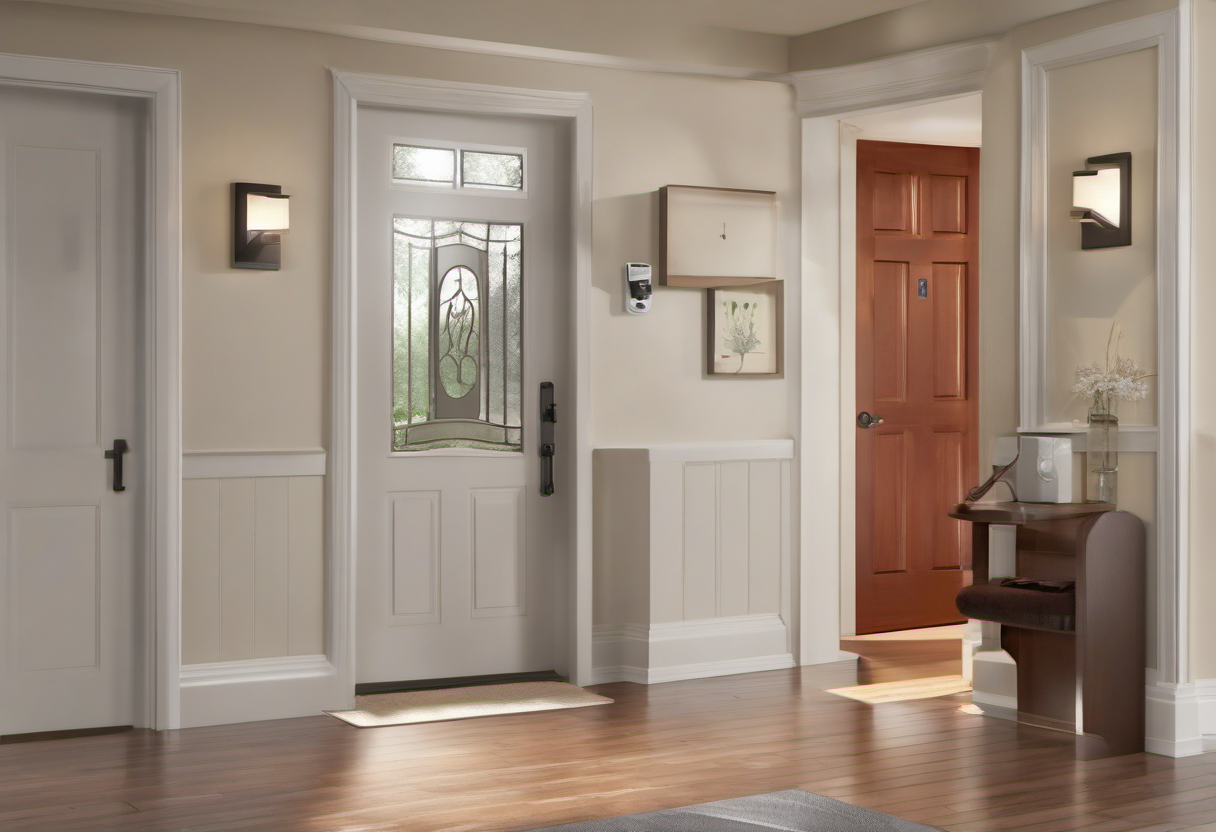
Access-control rules that prevent most mistakes
Smart locks fail households less often through hacking than through sloppy access management. The practical rules are simple.
Give every person their own credential. A named PIN lets you remove access for a dog walker, contractor, former roommate, or guest without changing codes for everyone. Avoid memorable patterns like birthdays, house numbers, repeated digits, and phone-number endings. If the lock supports code length choices, prefer six digits or longer. For guests, create time-limited codes rather than permanent ones.
Separate unlock methods by risk. A physical key is a durable emergency method, but it can be copied. A keypad code is convenient, but it can be watched. Phone unlock is flexible, but it depends on account security. Voice unlock should be treated carefully and may require a spoken PIN or be disabled entirely. Auto-unlock based on location is convenient for groceries and kids, but it can misfire around apartment buildings, dense neighborhoods, or when location services lag.
Protect the accounts that can unlock the door. NIST’s smart-home guidance emphasizes planning before purchase, enabling authentication, updating devices, and removing unsupported equipment. FTC IoT guidance similarly stresses authentication, access control, secure data handling, and ongoing monitoring. Translate that into household practice: use a password manager, turn on multi-factor authentication for the platform and manufacturer account, remove old household members, and keep firmware updates enabled.
Audit access monthly. Open the lock app and platform app. Confirm every code and invited user is still valid. Remove stale guests. Check whether the lock battery is above the manufacturer’s low-battery threshold. Verify that notifications still reach the right phones. Make this part of the same routine as changing HVAC filters or testing smoke alarms.
Installation checklist
Before installation:
- Confirm the door thickness, backset, borehole, and deadbolt type supported by the lock.
- Test the existing bolt with the door open and closed; fix binding first.
- Confirm whether the lock is Matter-over-Thread, Matter-over-Wi-Fi, Bluetooth, or a combination.
- Confirm the required controller and Thread border router are already in the home.
- Download the manufacturer app only from official app stores.
- Charge or install fresh batteries before pairing.
- Photograph original renter hardware before removing anything.
During installation, do not overtighten the mounting plate. Many smart-lock motors fail calibration because the interior assembly is slightly twisted or the tailpiece is under tension. Tighten evenly, run calibration with the door open first, then test again with the door closed. If calibration succeeds open but fails closed, the problem is almost always mechanical alignment, not Matter.
After installation, create a small access policy. Owner accounts should be limited to adults who need administration. Children, guests, cleaners, and contractors should get limited codes or app access. Set notifications for unlock events if the household wants them, but avoid notification fatigue. A lock that sends so many alerts that everyone ignores them has not improved security.
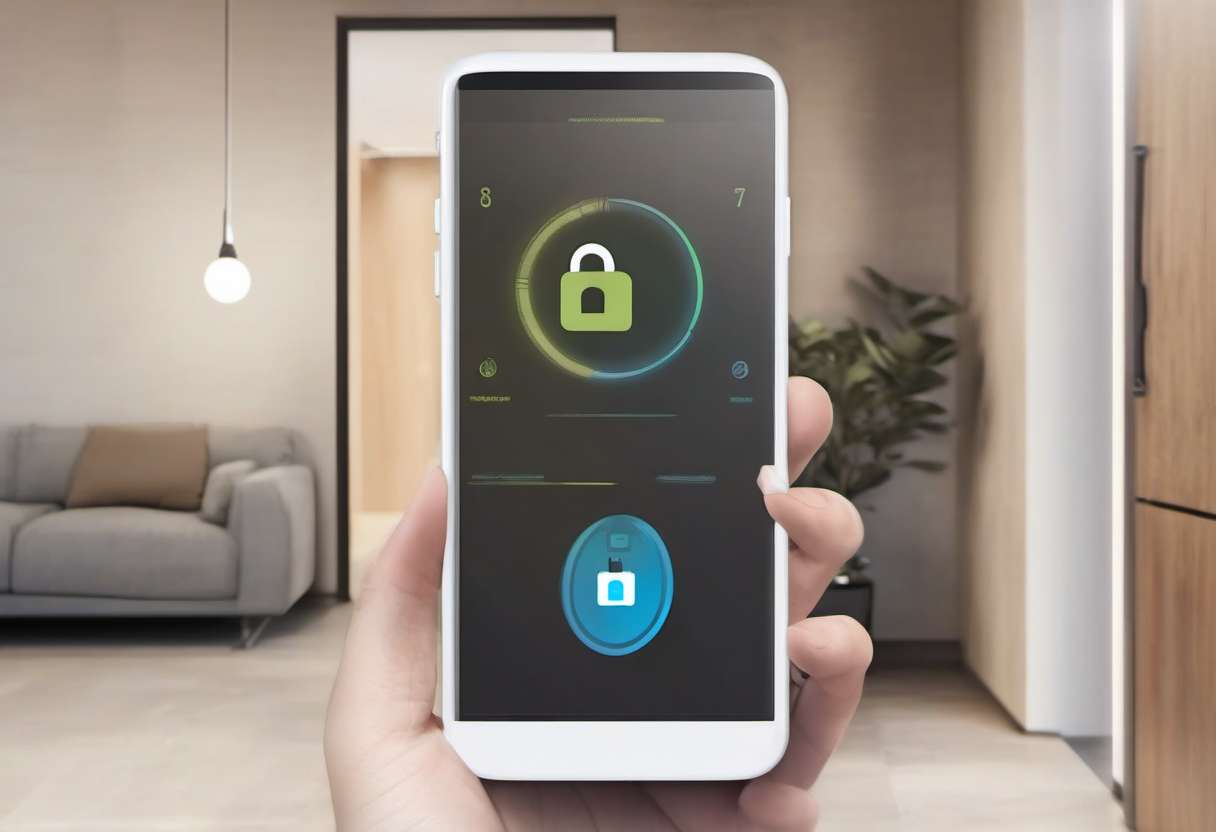
Platform notes: what to verify before pairing
Apple Home, Google Home, Amazon Alexa, SmartThings, and Home Assistant all participate in the Matter ecosystem, but lock support is not interchangeable feature for feature. Before buying, search the current support page for your exact platform and model. Look specifically for lock/unlock control, PIN management, event history, Thread border-router requirements, and whether the platform can share the device through Matter multi-admin.
Apple-heavy households should verify whether their Apple TV or HomePod model supports Thread if the lock is Thread-based. Google households should check whether their Nest device is a controller, a border router, or both. Alexa users should confirm which Echo or Eero device provides the needed Matter and Thread role. SmartThings users should confirm hub generation and whether the lock’s advanced settings remain in the manufacturer app.
Home Assistant users should be particularly disciplined about backups and controller stability. A self-hosted controller can be powerful, but access control is too important to run casually. Keep a working backup, document restore steps, and avoid experimental updates right before travel. Our Home Assistant backup plan covers the operational side of that decision.
If a lock can pair directly to one manufacturer app and then be shared to Matter, decide which app is the system of record. Many households should keep the manufacturer app installed for firmware, calibration, and advanced keypad settings, while using the preferred platform for daily automations and status.
Privacy and data minimization
A smart lock can reveal sensitive patterns: when the home is empty, when children arrive, when a cleaner enters, and when a short-term guest leaves. That does not mean smart locks are unsafe; it means the data deserves the same seriousness as a security camera or alarm system.
Minimize collection where possible. Turn off marketing emails, unnecessary location features, and broad household sharing. Use the smallest number of apps that can administer the lock. If a platform offers event-history retention controls, choose the shortest retention that still supports your needs. If a manufacturer stops supporting firmware updates or account security, replace the lock or move it to a less critical door.
For rental and guest situations, disclose what guests need to know. A cleaner or pet sitter should know that their code is named and time-limited. A short-term guest should know whether the lock records entry events. Good security policy is not only technical; it also prevents misunderstandings.
Maintenance schedule
A Matter smart lock should not be installed and forgotten. Put it on a simple schedule.
Monthly: check battery level, remove stale access codes, confirm notifications, and test the physical key. Quarterly: inspect the strike plate, tighten loose screws, clean the keypad or fingerprint reader if present, and verify that the Thread border router or Wi-Fi access point has not moved. Twice a year: replace alkaline batteries if the lock is on an exposed exterior door or in a cold climate, even if the app still reports acceptable charge. Before travel: pack a physical key, confirm a trusted local contact has emergency access, and avoid major firmware or hub updates immediately before departure.
If the lock starts draining batteries quickly, diagnose in this order: mechanical binding, weak network signal, cold weather, old batteries, excessive automation polling, and firmware bugs. The most common fix is still physical alignment. A lock motor that has to shove the bolt through friction will burn batteries regardless of protocol.
What not to automate
Smart-home enthusiasm often peaks at the front door. Resist the most fragile automations. Do not automatically unlock the door just because a camera sees a familiar face. Do not tie unlock behavior to a single motion sensor. Do not create a routine that unlocks when a phone joins Wi-Fi unless you have tested false arrivals and household edge cases. Do not let a voice assistant unlock without a PIN, and consider disabling voice unlock entirely.
Good automations are conservative. Lock the door after a delay if it remains closed. Turn on entry lights after a valid unlock at night. Send a notification if the door is unlocked for an unusual period. Pause auto-lock while the door is open so the bolt does not extend into the frame. These routines support the lock instead of replacing judgment.
Bottom line
The best 2026 Matter smart-lock setup is boring in the right ways. The deadbolt moves freely. The Thread or Wi-Fi network is strong at the door. The lock has a physical fallback. Each person has a named credential. Guest codes expire. Firmware updates are enabled. The household knows what happens when batteries die, the internet fails, or a phone is lost.
Matter and Thread make that setup more portable and less vendor-bound, especially for mixed Apple, Google, Alexa, SmartThings, and Home Assistant homes. They do not remove the need to choose good hardware, respect lease rules, secure accounts, and maintain the door. Buy the lock that fits your actual access-control problem, then let Matter make it easier to live with across platforms.