Smart Shades and Blinds 2026 — Lutron Serena vs IKEA FYRTUR vs SwitchBot
Custom motorized shades versus battery retrofit blind motors versus push-fit clip-on shade motors compared on protocol support, installation effort, and Matter compatibility.
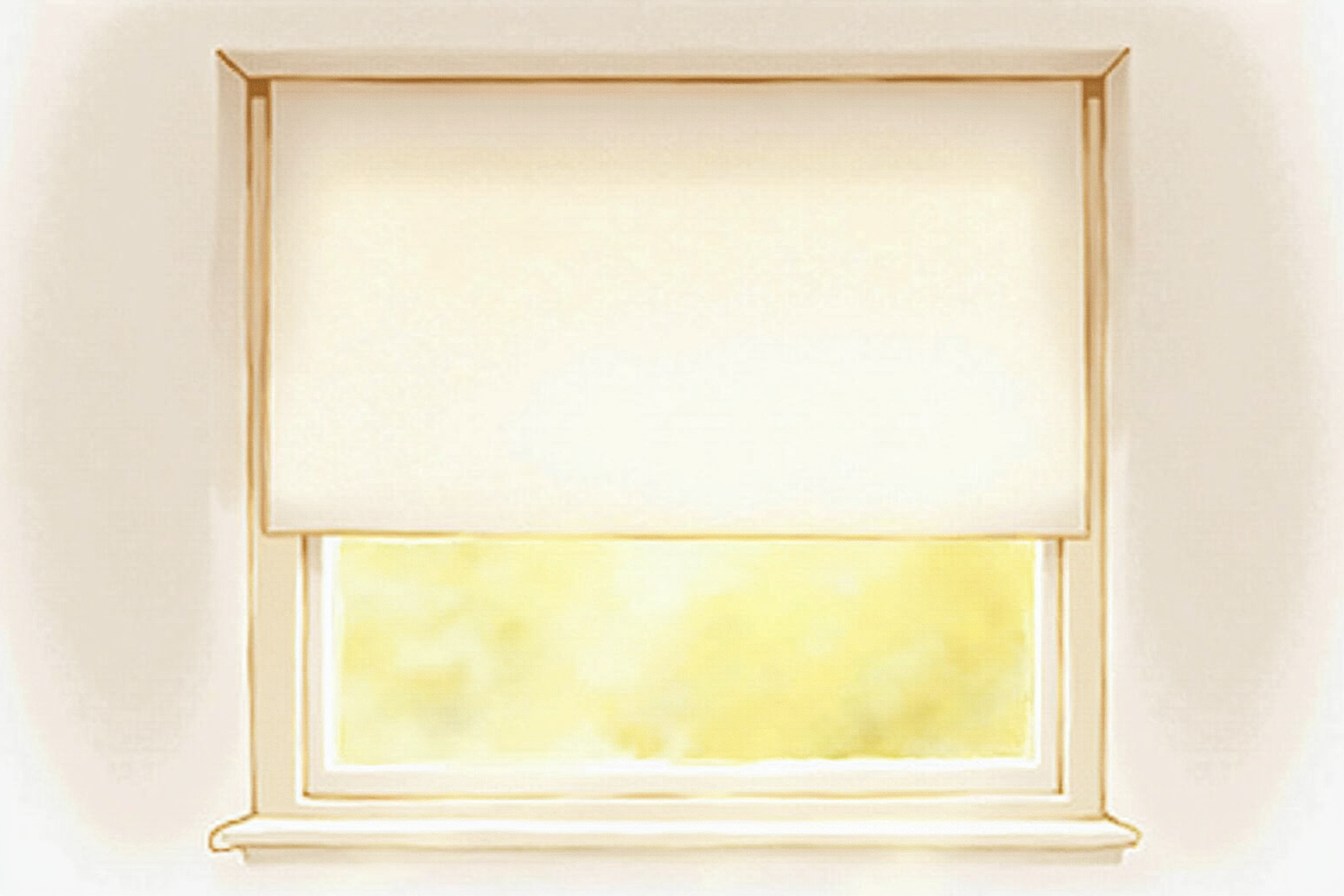
Smart window treatments are the smart-home category with the widest price range. The same room can be motorized for under $200 (SwitchBot Curtain retrofit on existing curtains) or over $5,000 (Hunter Douglas PowerView custom shades for a full floor of windows). The same room. The same automation outcome. What changes is the look, the protocol stability, the long-term reliability, and how much wall work the install requires.
This article compares the three approaches — custom motorized shades, pre-built motorized blinds, and retrofit clip-on motors — and the brands that dominate each category. The right choice depends on whether your existing window treatments are due for replacement anyway, your tolerance for visible hardware, and your installation comfort level.
- Three approaches — custom shades, pre-built motorized, retrofit motors
- Power options — battery, solar, hardwired
- Matter and ecosystem compatibility status by brand
- Sunrise/sunset automation and seasonal scheduling
- Top picks by approach and budget
The three approaches

The smart-shade market divides cleanly into three approaches with different cost, complexity, and look:
Custom motorized shades (Lutron Serena, Hunter Douglas PowerView). Full replacement of existing window coverings with shades built around the motor. The motor is integrated into the headrail, the shade fabric is custom-sized to your window, and the install can be hardwired or battery. Best look, highest cost (typically $300-700+ per window). The choice for new construction or remodels where you would be replacing window treatments anyway.
Pre-built motorized blinds and shades (IKEA FYRTUR/KADRILJ, Yoolax, certain Costco lines). Motorized roller blinds in fixed sizes. Cheaper than custom because they avoid the bespoke manufacturing. Require finding sizes that match your windows — typically 22.5”, 26”, 29”, 32”, 38”, 42”, 48” wide. Battery-powered with rechargeable lithium packs. Mid-tier price (typically $100-200 per blind).
Retrofit clip-on motors (SwitchBot Curtain, SwitchBot Blind Tilt, Soma Smart Shades). Compact motors that clip onto existing curtain rods, roller blind chains, or horizontal blind wands. The existing window coverings stay in place; the motor adds automation. Cheapest approach ($50-120 per window). Visible hardware on the curtain rod or blind chain is the trade-off.
Power options

Battery-only. Rechargeable lithium pack inside the shade headrail or motor housing. Convenient but requires periodic recharging. Frequency depends on weight and use — light blinds opening once a day per shade typically last 6-12 months between charges. Heavy blackout shades with multiple daily cycles last shorter.
Solar trickle-charge. Small solar panel mounts on the window facing outward (or inward through the glass). Continuously trickle-charges the battery during daylight. Eliminates the manual recharge step for any window with daylight exposure. Recommended add-on for almost any battery-powered smart shade.
Hardwired. Power runs through the wall to the shade headrail. Cleanest look, no batteries to maintain. Requires either new electrical work during install or pre-existing wiring (some new-construction homes include shade wiring above windows). Best for permanent installations.
For a multi-shade household, the solar-charge approach gets battery convenience without the recharging burden.
Matter and ecosystem compatibility
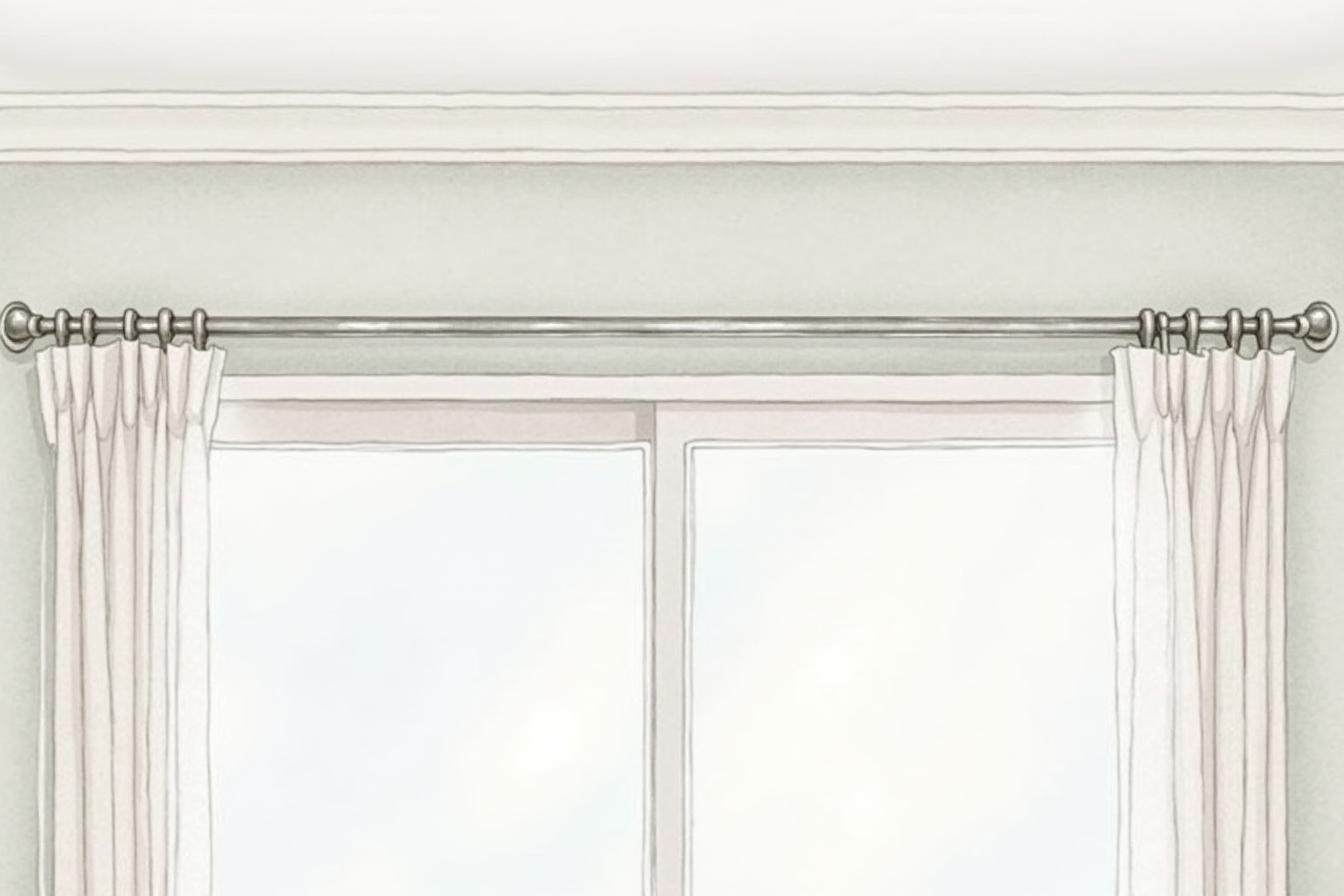
The smart shade market is in active Matter rollout. As of 2026:
- Lutron Serena — works through the Caseta Smart Bridge (proprietary protocol with Matter bridge support). Apple Home, Google, Alexa, and SmartThings integration via the Bridge.
- IKEA FYRTUR/KADRILJ — requires IKEA’s DIRIGERA hub. Matter export through DIRIGERA. Works with all major ecosystems via Matter.
- SwitchBot — via SwitchBot Hub 2 (Matter-certified). The hub bridges SwitchBot devices including Curtain motors into Matter ecosystems.
- Hunter Douglas PowerView — Hub-based with broad ecosystem support, Matter integration ongoing.
For new purchases, prefer brands with current or near-term Matter support. The protocol fragmentation in shades has historically been worse than other smart-home categories; Matter standardization simplifies the long-term integration story.
Sunrise and sunset automation
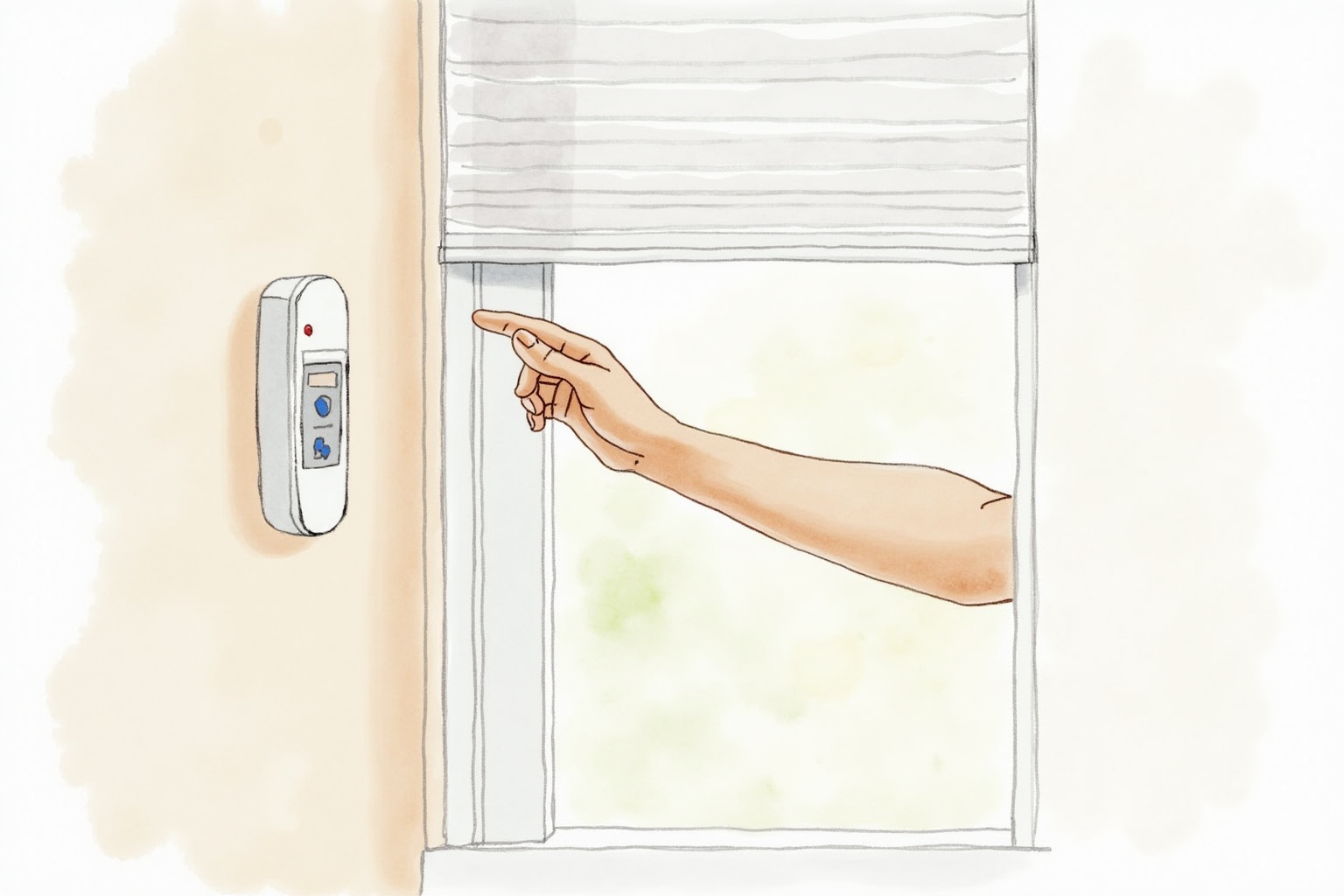
The killer feature of motorized shades: opening at sunrise and closing at sunset automatically. This is more useful than it sounds — natural-light wake patterns are well-documented for sleep and mood benefits, and automated closing handles privacy and afternoon heat-gain without manual intervention.
All four major ecosystems (Apple Home, Google Home, Alexa, SmartThings) support sunrise/sunset triggers based on your home’s geolocation. Lutron Caseta’s astronomical clock is particularly refined — civil dawn (about 30 minutes before sunrise) is a useful “wake gently” trigger, while civil dusk (30 minutes after sunset) handles privacy without sudden darkness.
For bedrooms, the sunrise-open pattern works in summer (sunrise around 5:30 AM in mid-latitudes) but can be too early. Pair sunrise triggers with a “no earlier than 7 AM” condition for weekday automations.
Top picks by approach
Lutron Serena Smart Shades (Custom)
Price · $400-700 per window (custom-sized) — premium long-term pick
+ Pros
- · Integrates with Lutron Caseta for whole-home consistency
- · Astronomical clock scheduling for accurate sunrise/sunset
- · Quiet brushless DC motor operation
− Cons
- · Highest per-window cost
- · Requires Lutron Caseta Smart Bridge for full functionality
Price, availability, and ratings can change; verify details on the retailer page before buying.
IKEA FYRTUR / KADRILJ Smart Blackout Roller Blinds
Price · $130-200 per blind — mid-tier ecosystem pick
+ Pros
- · Significantly cheaper than custom shades
- · DIRIGERA hub adds Matter integration to major ecosystems
- · Battery-powered with optional solar charging accessory
− Cons
- · Fixed window sizes only — measure existing windows first
- · Motor noise is louder than premium custom shades
Price, availability, and ratings can change; verify details on the retailer page before buying.
SwitchBot Curtain 3 (Rod or U-Rail)
Price · $80-130 per curtain panel — retrofit budget pick
+ Pros
- · Cheapest path to automated existing curtains
- · No replacement of existing window treatments
- · SwitchBot Hub 2 adds Matter compatibility
− Cons
- · Visible motor on the curtain rod
- · Requires SwitchBot Hub for cross-ecosystem integration
Price, availability, and ratings can change; verify details on the retailer page before buying.
The retrofit-vs-replace decision
For most households, the practical advice depends on the state of existing window treatments:
- Already planning to replace blinds or shades → custom motorized (Lutron Serena, Hunter Douglas) for the long-term install, or pre-built motorized (IKEA FYRTUR) for budget.
- Existing window treatments look fine, just want automation → retrofit clip-on motors (SwitchBot, Soma) for cheapest path to automation without replacing anything.
- Rentals where wall changes are not allowed → SwitchBot Curtain on existing rod is the only practical option.
- High-end renovation budget → Lutron Serena with hardwired install pairs cleanly with the rest of a Lutron Caseta whole-home install.
Avoid no-name motorized shades at the $40-60 tier. The motors are generally inadequately torqued for heavier blinds, the firmware update cadence is unclear, and the ecosystem support is often limited to a single proprietary app that may not survive a brand exit.
The smart-shade payoff compounds over years of ownership. Once configured with sunrise/sunset automation, shades disappear from daily attention — they just happen. The initial install effort and cost is real, but the daily-use convenience is one of the most genuinely useful smart-home automations.