Smart Plugs 2026 — Matter Compatibility, Energy Monitoring, and Standards Compared
How smart plugs differ on Matter certification, energy monitoring resolution, voltage spec, and ecosystem support — covering TP-Link Kasa, Amazon Smart Plug, Wemo, and Aqara Matter-over-Thread plugs.
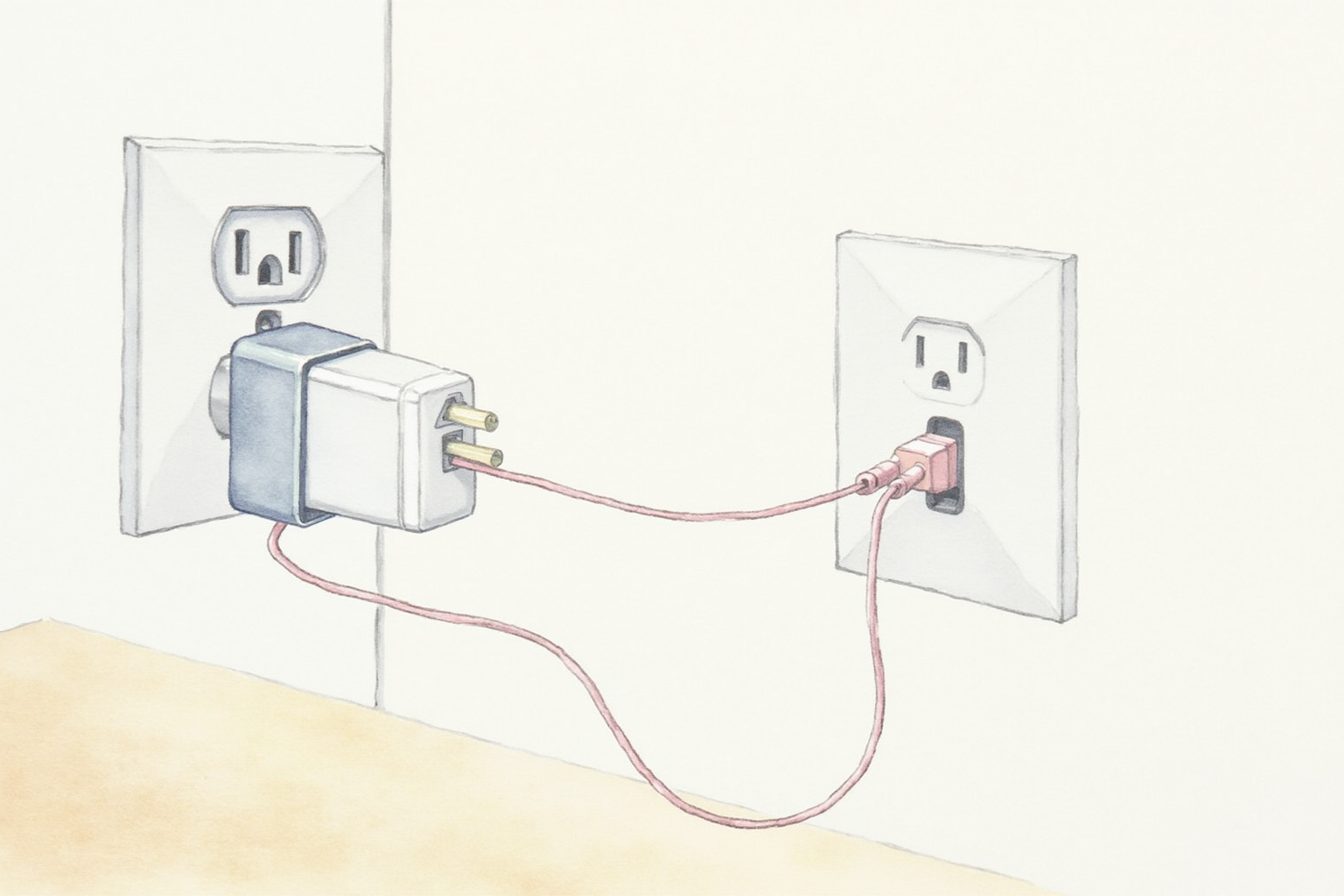
Smart plugs occupy a strange place in the smart-home stack. They are the cheapest entry point ($10-20 each), the simplest to install (just plug in), and the easiest feature to demonstrate (“Alexa, turn on the coffee maker”). They are also the device category where the ecosystem lock-in question is most acute — until Matter arrived in late 2022 and started reshaping what “compatible” actually means.
This article walks through the Matter standard’s effect on smart plug buying decisions, the practical difference between WiFi and Thread-based plugs, what energy monitoring actually measures, and how to choose plugs that survive when the rest of the ecosystem changes.
- What Matter changed and which brands are certified today
- WiFi vs Matter-over-Thread — when to choose each
- Energy monitoring — what it actually measures and where it falls short
- Amperage ratings and which appliances should not use a smart plug
- Top picks by ecosystem need
The Matter standard and what it changed
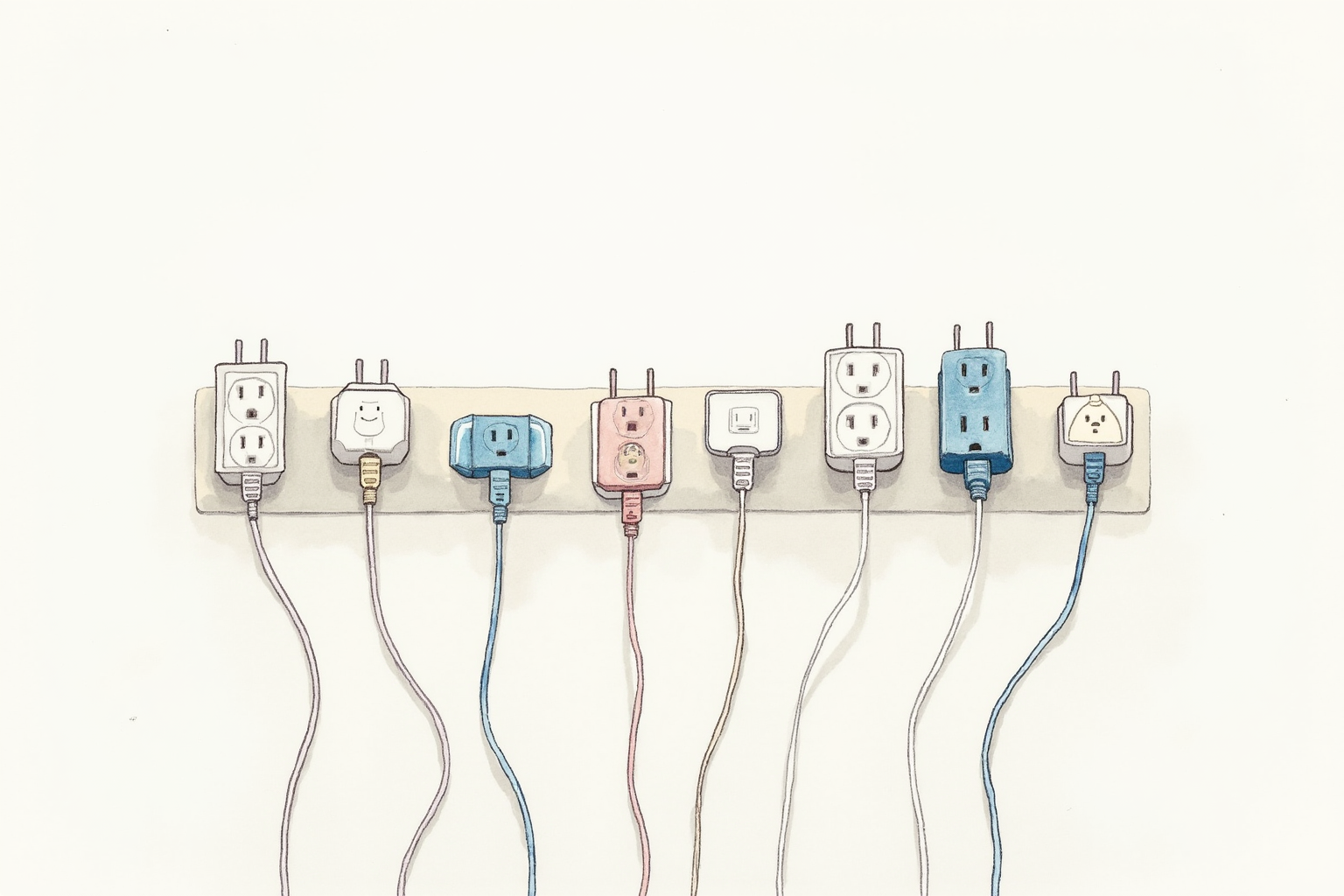
Before Matter, smart-plug ecosystem compatibility was a maze. The Amazon Smart Plug worked only with Alexa. Apple HomeKit-certified plugs were a small subset of the market. Google Home plugs required Google’s specific cloud routing. Buying smart plugs meant either committing to an ecosystem or running multiple apps.
Matter is the Connectivity Standards Alliance’s cross-ecosystem standard, backed by Apple, Google, Amazon, and Samsung. A Matter-certified plug works natively with all four — pair the plug in any one of those apps (Apple Home, Google Home, Alexa, SmartThings), and any other paired controller can also command it. The cross-ecosystem interoperability is genuine, not marketing.
For new smart plug buyers, the practical recommendation since 2024 is straightforward: prefer Matter-certified plugs unless you have a specific reason to stick with a pre-Matter brand. Matter-certified plugs include refreshed lineups from TP-Link, Aqara, Eve, and several others. The Matter certification logo is on the box and listed in product specifications.
WiFi vs Matter-over-Thread
Matter is a software/protocol standard, but the underlying radio can be either WiFi or Thread. The difference matters for installation and reliability.
WiFi-based plugs (most plugs sold) — Connect directly to your existing home WiFi. Setup typically takes 1-2 minutes through the manufacturer app or directly via Apple Home / Google Home for Matter-certified plugs. The trade-off is that each plug counts against your router’s device limit and may degrade as the device count rises (most consumer routers handle 50-100 devices comfortably; cheaper ones less).
Matter-over-Thread plugs — Use the Thread mesh radio protocol rather than WiFi. Thread devices form a peer-to-peer mesh — each plug acts as a relay for others, extending range to garages and outdoor patios that WiFi struggles to cover. Thread requires a Thread border router somewhere on the network. Common border routers: Apple HomePod mini, HomePod 2nd gen, Google Nest Hub (2nd gen), recent Amazon eero models, and Samsung SmartThings Station.
For households with 1-5 smart plugs, WiFi is simpler and the lower per-plug cost (often a few dollars cheaper than Thread versions) wins. For households with 10+ plugs across a larger home, Thread’s mesh resilience and lower per-device power use are worth the border router setup.
Energy monitoring — what it actually shows

Energy monitoring is the feature smart-plug marketing emphasizes most. The reality is more limited than the marketing suggests.
Smart plugs measure current and voltage at the outlet, calculate instantaneous wattage, and accumulate kWh over time. The math is correct. The accuracy is acceptable for relative comparisons (“the dehumidifier uses 3x more energy than the TV”) but is not laboratory-grade for absolute kWh measurements. For most users, this is fine — the goal is identifying which appliances cost the most, not auditing to the watt.
Useful applications:
- Find the highest-draw appliances in your home and prioritize replacement
- Track standby (vampire) power on devices when “off”
- Calculate the cost of leaving game consoles or computers running overnight
- Schedule high-draw devices to time-of-use off-peak windows
Not useful for:
- Whole-home energy auditing (use a dedicated whole-home monitor like Sense or Emporia)
- Accurate billing dispute documentation (the utility meter is the authoritative source)
- Detecting appliance degradation (industrial monitoring tools required)
Amperage and what to avoid plugging in
The vast majority of smart plugs sold to U.S. consumers are rated for 15 amps at 120V — about 1800 watts continuous. This covers nearly all household devices. Read the back of the plug for the exact rating before plugging in heavy loads.
Safe to plug into smart plugs:
- Lamps, holiday lights, fans, small heaters under 1500W
- TVs, computers, phone chargers, network equipment
- Small kitchen appliances (coffee makers, toasters within rating)
- Window AC units rated under 15 amps (check the appliance label)
Avoid plugging into smart plugs:
- Large electric heaters (above 1500W)
- Full-size electric heating appliances (kettles, large coffee urns) on extended runs
- Devices with motors that spike current at startup (some power tools, large vacuums)
- Anything where unexpected on/off cycling could cause damage (servers, medical equipment)
For higher-current loads, use a smart switch hardwired into the circuit. Smart switches are rated by the circuit (typically 15 or 20 amps) and replace the entire light/outlet switch.
Top picks by ecosystem need
TP-Link Kasa Smart Plug Mini (KP125M, Matter)
Price · $10-15 each — best mainstream Matter pick
+ Pros
- · Matter-certified — works natively with Apple Home, Google, Alexa, SmartThings
- · Compact design fits two per duplex outlet
- · Includes basic energy monitoring
− Cons
- · WiFi-only (not Thread) — adds to router device count
- · Energy monitoring less detailed than Wemo Insight predecessor
Paid affiliate link. Price, availability, and ratings can change; verify details on the retailer page before buying.
Aqara Smart Plug US (Matter-over-Thread)
Price · $25-35 — premium Thread-based pick
+ Pros
- · Matter-over-Thread — extends Thread mesh through your home
- · More reliable in larger homes than WiFi-only equivalents
- · Works with HomePod mini, Nest Hub, eero as border router
− Cons
- · Requires Thread border router on the network
- · Higher per-plug price than WiFi alternatives
Paid affiliate link. Price, availability, and ratings can change; verify details on the retailer page before buying.
Amazon Smart Plug (Alexa Direct)
Price · $15-25 — Alexa-household pick
+ Pros
- · Tightest Alexa integration — pairs in under 30 seconds via Echo nearby
- · Compact design, recognized brand reliability
- · Frequently on sale at $13-15 during Prime Day
− Cons
- · Alexa-only — no Apple Home or Google Home support
- · No Matter certification — locked to Amazon ecosystem long-term
Paid affiliate link. Price, availability, and ratings can change; verify details on the retailer page before buying.
The 2026 buyer’s path
For new smart-home builds or expansions, the recommendation favors Matter-certified plugs from established brands (TP-Link Kasa, Aqara, Eve). The cross-ecosystem compatibility is real, ecosystem switches in the future are painless, and pre-Matter brands’ commitment to long-term cloud support is genuinely uncertain (Belkin’s Wemo brand has shrunk; even Amazon may eventually deprecate old plugs).
For Alexa-only households with no intent to switch, the Amazon Smart Plug at sale prices is the cheapest functional option. Just accept that if Alexa ever falls out of favor in your home, the plugs become e-waste.
For larger homes with smart-home stacks above 10-15 plug-class devices, Thread-based Matter plugs are worth the small premium — the mesh resilience and lower power use add up over a multi-year ownership window. Pair with a Thread border router (HomePod mini or Nest Hub) and the Thread layer extends to other Matter devices (sensors, bulbs, locks) as you add them.
Avoid no-name plugs at the $5-7 tier. The savings versus a TP-Link or Aqara are small, the firmware update lifecycle is unknown, and the cloud security has not been independently audited. Smart plugs sit on your electrical circuits — the build-quality and certification (UL 498) matter more than the savings.