Smart Water Leak Sensors 2026 — Moen Flo vs Phyn vs Govee Compared
Whole-home shutoff valves vs spot sensors compared on insurance discount eligibility, leak detection accuracy, and install requirements based on IBHS testing and insurer surveys.
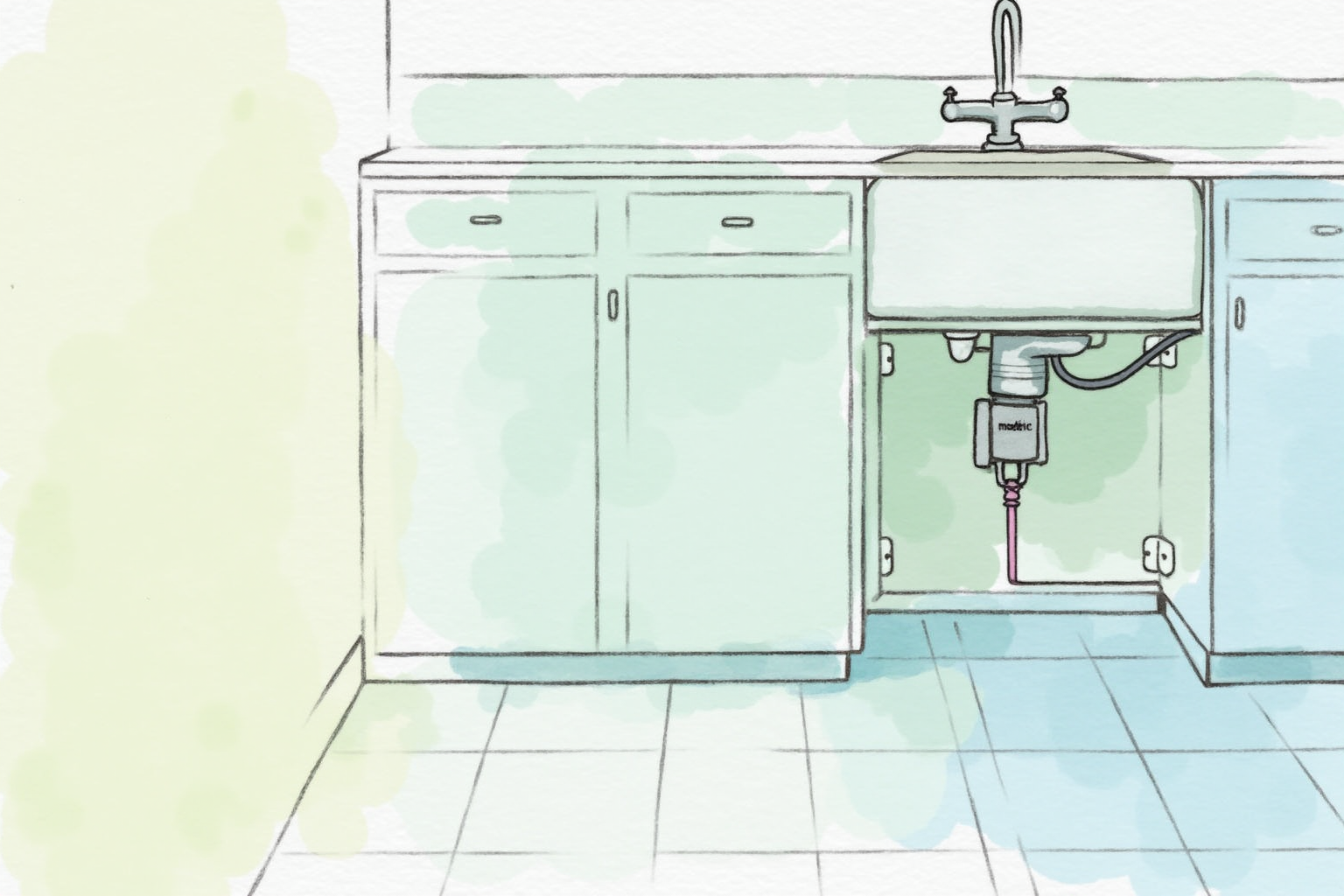
Insurance data tells a story homeowners rarely hear: water damage is the second-most-common homeowners insurance claim (after wind and hail), averages over $11,000 per claim per the Insurance Information Institute, and roughly 14,000 U.S. homes file a water damage claim every day. A single overnight pinhole leak in a copper supply line behind drywall can cost $20,000-50,000 in remediation if it runs undiscovered for a weekend.
Smart water leak detection has matured from coin-sized “alarm only” pucks to whole-home systems that detect anomalies at the main line and automatically shut off water. The market splits cleanly between spot sensors (cheap, narrow coverage) and whole-home systems (expensive, comprehensive). Both have a role; choosing right depends on whether you can install a main-line device.
- Spot sensor vs whole-home system — coverage and cost
- Leak detection accuracy — IBHS testing results
- Insurance discount eligibility and ROI math
- Install requirements and plumber labor cost
- Top picks by home type and risk profile
Why water damage is uniquely expensive
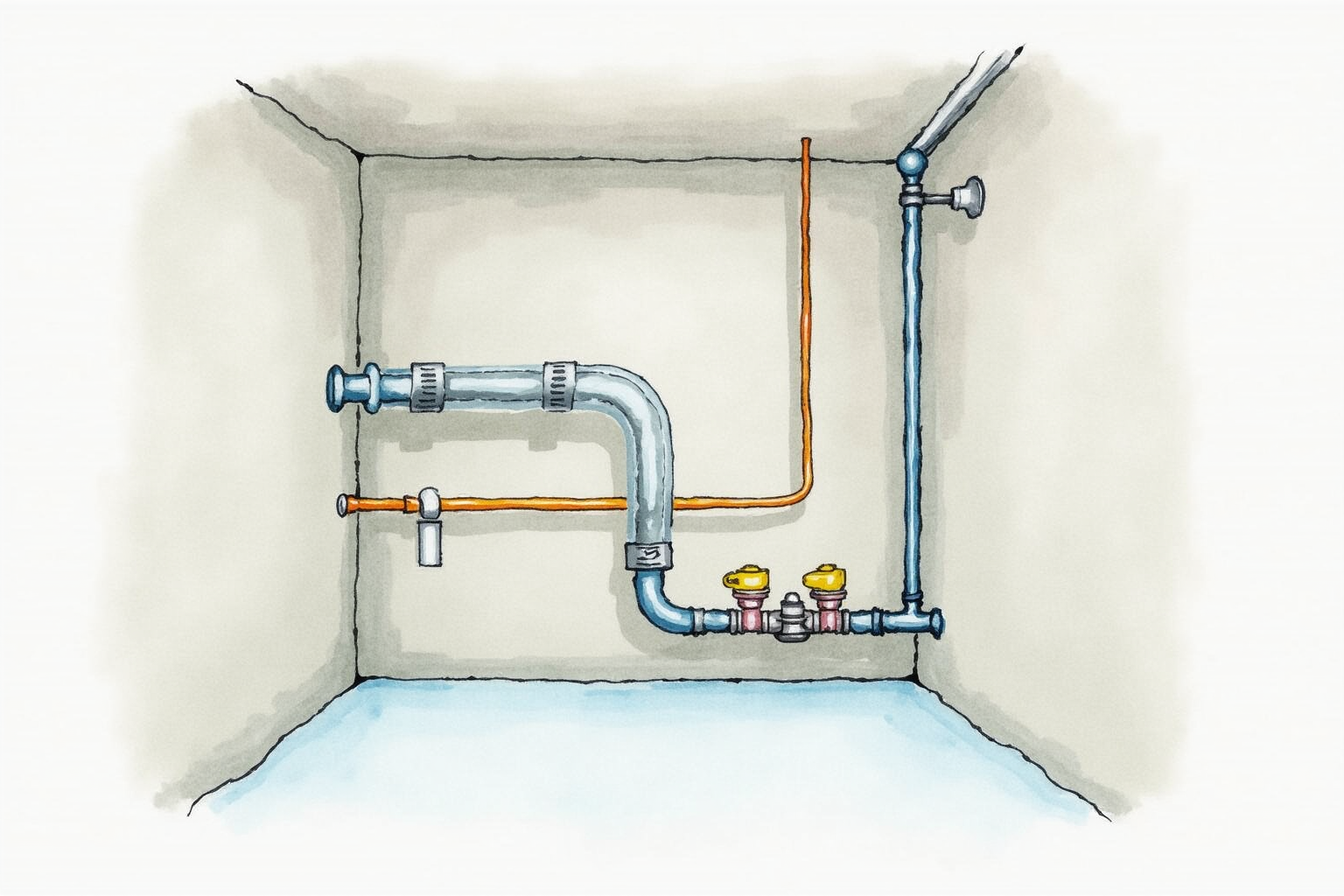
Most household risks have rapid, obvious failure modes — a fire smokes you out within minutes, a break-in triggers the alarm. Water damage is the opposite: a 0.1 GPM leak behind a wall produces no visible cue and is silent. It can run 24-72 hours before residents notice ceiling staining, by which point drywall replacement, mold remediation, and refinishing have all become necessary.
The III data points to four scenarios that drive most claims:
- Failed supply lines (copper pinholes, PEX fitting failures) — runs slowly behind walls
- Burst pipes from freezing — sudden but catastrophic flood
- Water heater tank failure — typical 50-80 gallon flood in the utility room
- Failed appliance hoses (washing machine, dishwasher, fridge ice maker)
Spot sensors catch #4 directly — place a puck under the appliance, water arrives, the puck alarms. Spot sensors only catch #1-3 if they happen near a sensor location. Whole-home systems catch all four because they monitor the entire supply line pressure profile.
Spot sensors — cheap, narrow coverage
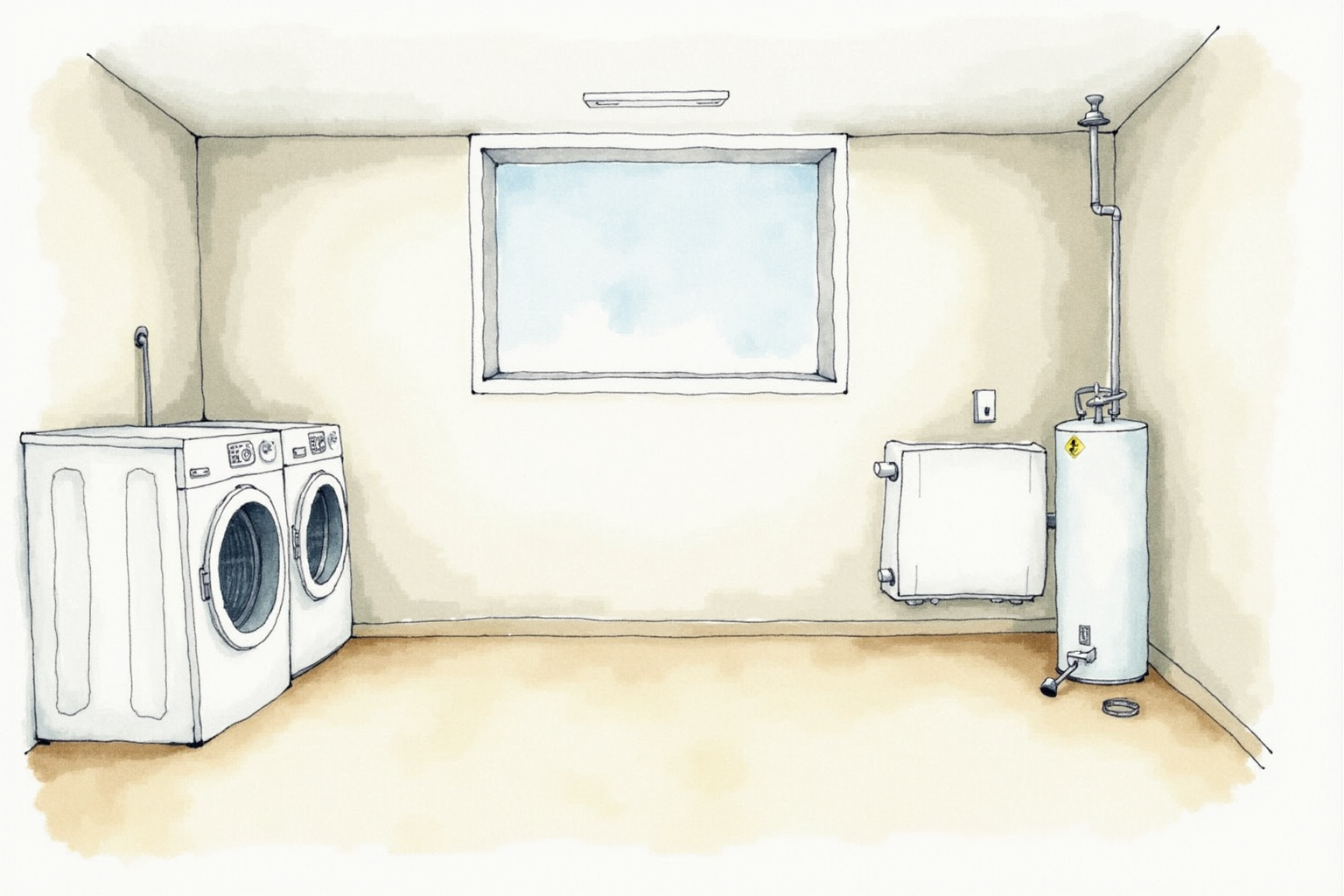
Spot sensors are the entry point. The Govee Wi-Fi Water Sensor, the Aqara Water Sensor, and the SmartThings Water Leak Sensor all share the same basic design: a 2-3 inch puck with conductive metal contacts on the bottom that detect water bridging them, paired with Wi-Fi or Zigbee for app notification.
Strengths:
- Cheap ($15-30 per puck) — you can blanket a typical home with 6-10 sensors for $150
- Battery-powered, 12-24 month life
- Trivial installation — just place under the appliance
- Highly reliable detection (water touches puck = alarm)
Limitations:
- Only detects water that reaches the puck
- Cannot detect slow drips behind walls or in unmonitored spaces
- Cannot shut off water — only sends alerts
Spot sensors are appropriate as a layer on top of a whole-home system, or as the only layer for renters who cannot modify the main water line.
Whole-home systems — main-line monitoring with shutoff

Moen Flo (acquired by Fortune Brands, retained the Moen name post-2020) and Phyn Plus (Belkin + Uponor joint venture) are the two mature whole-home options. Both install on the main supply line, both monitor flow and pressure 24/7, both can automatically shut off water when they detect anomalies.
Key technical differences:
| Feature | Moen Flo | Phyn Plus |
|---|---|---|
| Detection method | Pressure-decay testing | High-frequency pressure analysis |
| Detection threshold | 1 oz/min | 1 oz/min |
| Per-fixture usage tracking | Basic categories | Machine-learning fixture ID |
| Auto-shutoff | Yes | Yes |
| Freeze alerts | Yes | Yes |
| Subscription | Free tier robust | Free tier basic; FloProtect for full |
| App ecosystem | Alexa, Google, IFTTT | Alexa, Google, IFTTT, SmartThings |
Both produce IBHS-validated detection at the 1 ounce-per-minute threshold — that is sensitive enough to catch a slow drip in a wall before drywall damage starts. The detection method differs (Moen uses periodic pressure testing; Phyn uses continuous pressure-wave analysis) but both reach the same accuracy level.
Insurance discount math — the real ROI

The III reports water damage averages $11,098 per claim — and insurers know this. The discount structure reflects it:
| Insurer | Whole-home smart shutoff discount |
|---|---|
| State Farm | 3-5% with monitored shutoff |
| Allstate | 5-10% (varies by state) |
| USAA | 7-10% |
| Liberty Mutual | 5-10% |
| Travelers | 5-8% |
On a $1,500/year premium, a 7% discount is $105/year. A $600 Moen Flo + ~$300 plumber install = $900 total — paid back in roughly 8-9 years from insurance alone, before counting the catastrophic leak avoidance value. Households in high-risk states (Texas freeze events, Florida humidity, Vermont winter) see faster payback as insurers price risk higher.
Top picks by home configuration
Moen Flo Smart Water Monitor and Shutoff
Price · $500-650 + $200-400 plumber install — premium whole-home
+ Pros
- · Best-validated leak detection in IBHS testing (1 oz/min threshold)
- · Automatic shutoff prevents catastrophic floods
- · Free FloProtect tier covers basic monitoring and shutoff
− Cons
- · Requires plumber install (1-2 hours licensed labor)
- · $50/year subscription for extended warranty and water bill alerts (FloProtect Plus)
Price, availability, and ratings can change; verify details on the retailer page before buying.
Phyn Plus Smart Water Assistant + Shutoff
Price · $700 + plumber install — premium ML-based monitoring
+ Pros
- · Machine-learning fixture identification (knows toilet vs shower vs dishwasher)
- · High-frequency pressure analysis catches micro-leaks earliest
- · Strong integration with SmartThings ecosystems
− Cons
- · Highest price of the whole-home category
- · Requires plumber install plus Belkin app account
Price, availability, and ratings can change; verify details on the retailer page before buying.
Govee Wi-Fi Water Sensor (3-pack)
Price · $40-60 — best spot-sensor pick
+ Pros
- · Trivial install — place puck and pair to app
- · Loud 100 dB local alarm plus Wi-Fi notifications
- · 12-24 month battery life on standard AAA cells
− Cons
- · No shutoff capability — alerts only
- · Only detects water that reaches the puck location
Price, availability, and ratings can change; verify details on the retailer page before buying.
The configuration that pays back
For homeowners staying in the home 5+ years, the math favors a whole-home system (Moen Flo or Phyn Plus) plus 3-6 spot sensors at appliance locations. The whole-home system handles the catastrophic risk (main-line and supply-line leaks), the spot sensors confirm specific appliance failures faster than the main-line system would.
For renters or short-term owners, spot sensors alone are the right level — install a Govee or Aqara puck at each appliance and water heater, accept the limitation that you cannot detect or stop a leak behind walls.
Freeze-prone regions (everywhere north of the I-40 line) gain another layer of value: both Moen Flo and Phyn Plus monitor inlet water temperature and can pre-emptively shut off water if a freeze is imminent. A single avoided burst pipe in a vacation week pays back the device cost several times over.
Combine smart water leak detection with smart smoke alarms and smart locks, and the insurance discount stack reaches 8-15% off the annual homeowners premium — the cumulative case for smart-home safety upgrades is now measurable in years of premium savings, not just abstract peace of mind.