Smart Thermostat Vacation Mode: A Summer Travel Checklist That Still Protects the House
A practical 2026 checklist for setting smart thermostat vacation mode before a summer trip: humidity, pets, schedules, alerts, manual overrides, and safety boundaries.

Why this topic matters now
A useful home or learning routine is not a one-button trick. It combines a clear goal, a safe default, a way to notice exceptions, and a habit that another person can understand. This guide is written for readers who want practical decisions rather than product hype. The examples are current as of June 2026 and use source-backed safety and privacy principles where they matter.
The decision table
| Situation | Better choice | Why it helps | Watch out for |
|---|---|---|---|
| Everyday routine | Simple repeatable default | Reduces forgotten steps | Do not hide critical manual controls |
| Travel or busy week | Checklist plus alert | Makes exceptions visible | Test before relying on it |
| Shared household | Plain-language note | Lets others help safely | Avoid passwords or private data |
| Rental or temporary setup | Reversible change | Prevents damage and disputes | Confirm lease or policy limits |
| High-risk condition | Conservative setting | Protects people, pets, and property | Ask a qualified professional when safety is unclear |
Start with the failure mode
Before buying or rearranging anything, write down what failure would look like. It might be a wet floor, a hot room, a confusing study note, a tripping hazard, or a private document pasted into the wrong tool. Designing around the failure mode makes the solution more trustworthy than a generic checklist copied from a product page.
Five-step setup checklist
- Define the normal state in one sentence.
- Decide what changes during rain, travel, exams, guests, or maintenance.
- Remove one source of friction: a missing hook, unclear label, hard-to-find override, or vague note.
- Add one review point after a week.
- Keep evidence: a photo, a short log, or a before-and-after note that does not expose private information.
What not to automate or hide
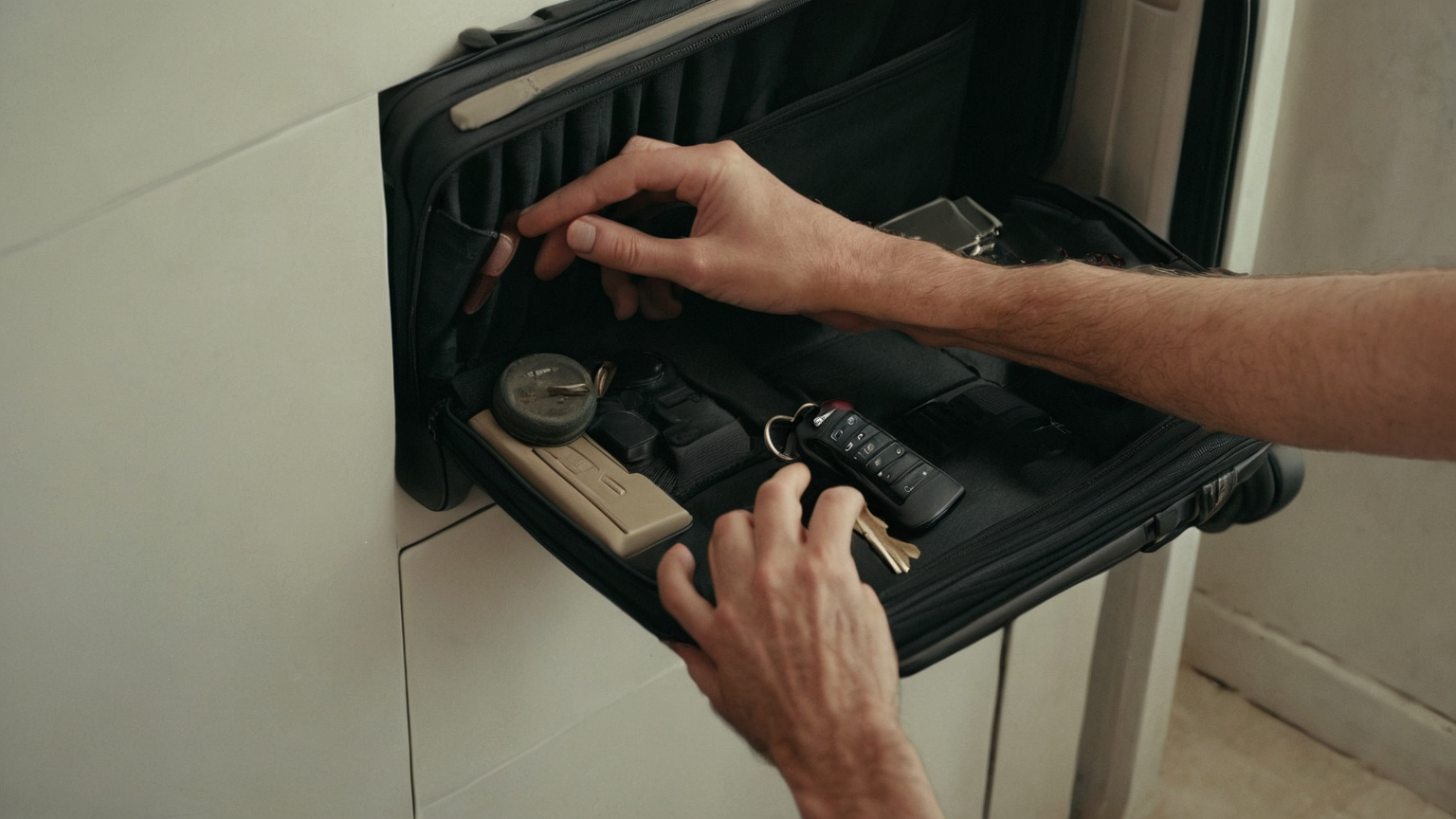
Do not hide emergency controls, private credentials, safety instructions, or policy limits inside an app or a decorative system. If another person needs to help, they should understand the safe action without reading your entire phone or account. This is especially important for homes with visitors, pet sitters, children, roommates, or students working under school rules.
A practical layout or workflow
Create three zones: an active zone for what you use today, a drying or review zone for items that need time, and a storage zone for things that are ready to disappear from view. In a digital workflow, the same pattern applies: capture, check, archive. The middle step is where most mistakes happen, so make it visible and small.

Weekly review questions
- What part of the routine worked without reminders?
- What created clutter, confusion, discomfort, or privacy risk?
- Did anyone else need to use the system?
- What source or policy changed since the last setup?
- What is the smallest adjustment that would make next week easier?
Example scenario
Imagine preparing for a long weekend. The strongest plan is not the most expensive one; it is the one that leaves the home or study routine understandable. A sitter, roommate, family member, or future you can see what belongs where, what should not be touched, and what to do if something feels wrong. That clarity is the difference between a helpful system and decorative complexity.
Common mistakes
| Mistake | Why it weakens the result | Better replacement |
|---|---|---|
| Copying a generic internet checklist | It ignores your space and risk | Adapt one checklist to your exact layout |
| Depending on a single app or product | Outages and permissions happen | Keep a manual fallback |
| Adding storage without removing clutter | More bins can hide the problem | Reduce categories first |
| Using private data as examples | It creates unnecessary exposure | Use summaries or blank templates |
| Skipping the review | Small failures become permanent | Schedule a ten-minute check |
AdSense and trust note
This article intentionally avoids affiliate-first recommendations. It focuses on source-backed decisions, reader safety, privacy, and practical maintenance. That preserves site quality because the reader can act even if they buy nothing.
Summary
A good routine is easy to explain, safe to override, and reviewed before it becomes invisible. Choose a conservative default, test it in real life, document only what is useful, and keep private or safety-sensitive details out of public tools and images.