Smart Porch Light Timer: A Neighbor-Friendly Night Routine for Summer
A practical 2026 guide to smart porch lights, timer schedules, motion zones, wildlife-friendly choices, neighbor glare, and safe manual overrides.
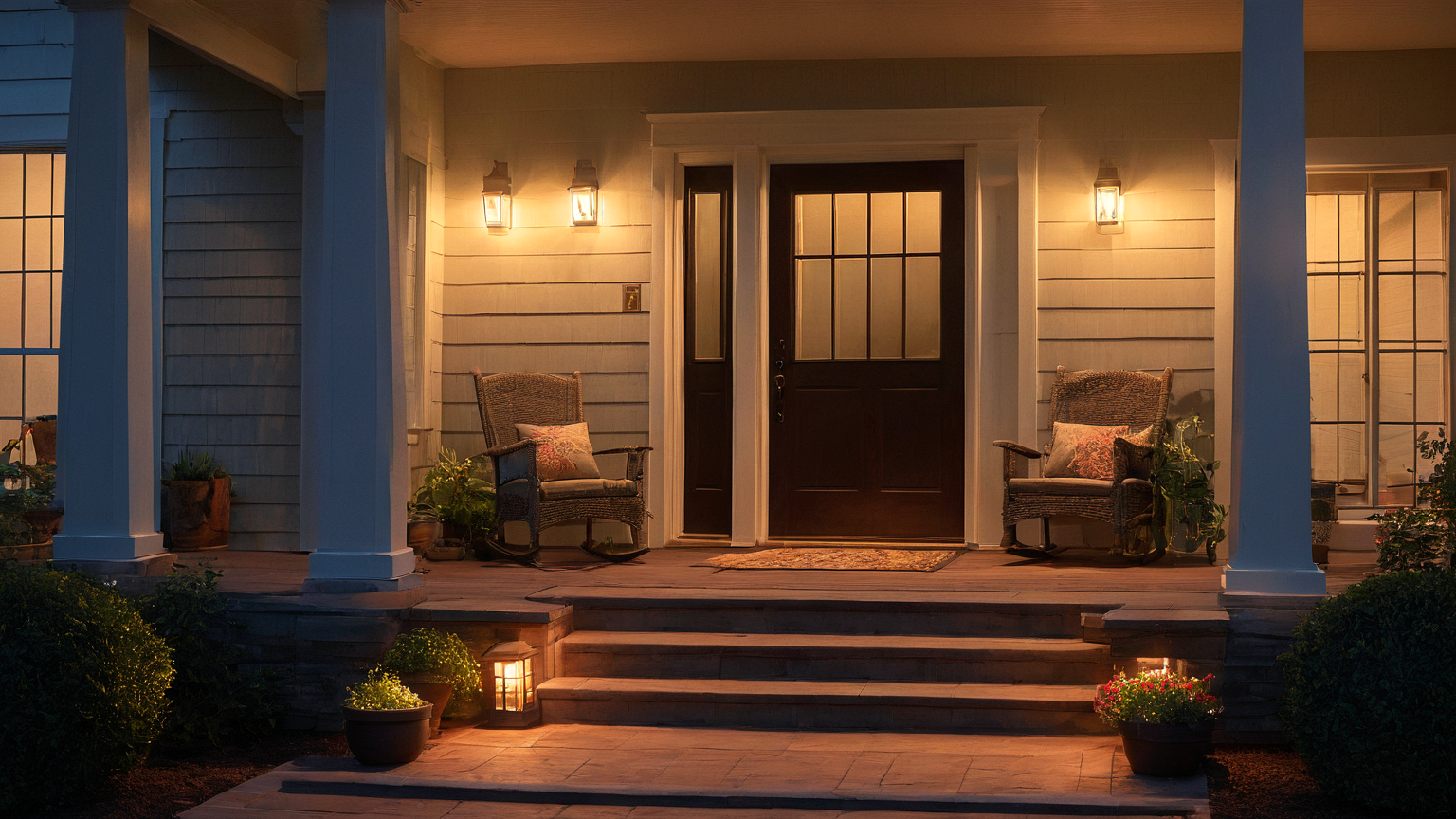
A smart porch light should make arrivals safer without turning the entry into a spotlight. The best summer routine is not simply “brighter.” It combines a predictable timer, downward aiming, a short motion boost, warm color, manual override, and a neighbor check. This June 2026 guide focuses on settings and safety habits that reduce glare and nuisance notifications while preserving practical visibility.
Timer decision table
| Need | Better setting | Avoid | Verification |
|---|---|---|---|
| Arriving after sunset | Low scheduled light until bedtime | Full power all night | Can you see steps and lock? |
| Unexpected motion | Short boost for one to three minutes | Endless retriggers | Walk past from sidewalk and driveway |
| Neighbor comfort | Shielded downward aim | Light into windows | View from property edge |
| Wildlife and sleep | Warm dim light | blue-white glare | Check bedroom curtains and garden |
| Emergencies | Manual switch known by all adults | App-only control | Test without phone |
Start with the fixture, not the app
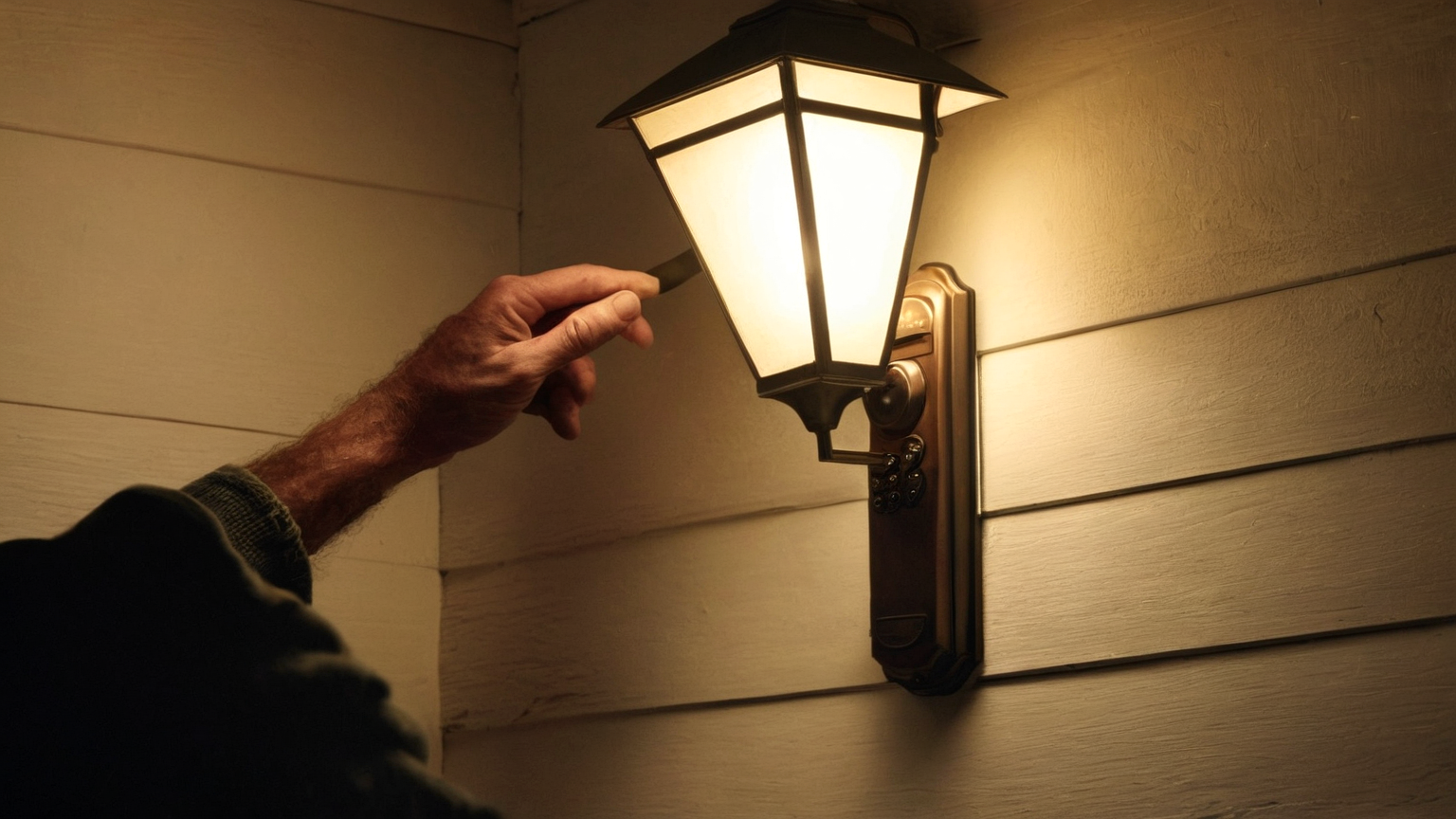
Confirm the outdoor fixture is weather-appropriate, secure, and using a bulb compatible with the enclosure and dimmer or smart switch. Do not solve flicker, buzzing, water intrusion, cracked covers, or exposed conductors with software. If the fixture feels hot, smells unusual, trips a breaker, or requires opening wiring you are not qualified to handle, stop and use a licensed professional.
Build a two-level evening routine
Use a modest sunset schedule for the hours when people actually arrive. Then add a motion boost that is bright enough for steps, packages, and keys but short enough that a passing branch or neighbor walking a dog does not keep the porch blazing. In summer, sunset times shift; review the automation monthly instead of assuming the winter schedule still fits.

Aim light like a neighbor can see it
Stand at the sidewalk, driveway, and a neighbor-facing window line after dark. If the bulb is visible as a harsh point, the scene may feel more intrusive than safe. Downward shields, lower brightness, and warmer color usually improve comfort. Security lighting should reveal the path and entry, not broadcast into bedrooms or across the street.
Keep motion zones boring
A useful motion zone covers the approach to the door and step hazards. It does not need to cover the entire road, tree canopy, or every pet path. If your system allows sensitivity and retrigger delay, reduce false triggers before adding more devices. Alert fatigue teaches households to ignore the very notification that should matter.
Make the manual fallback obvious
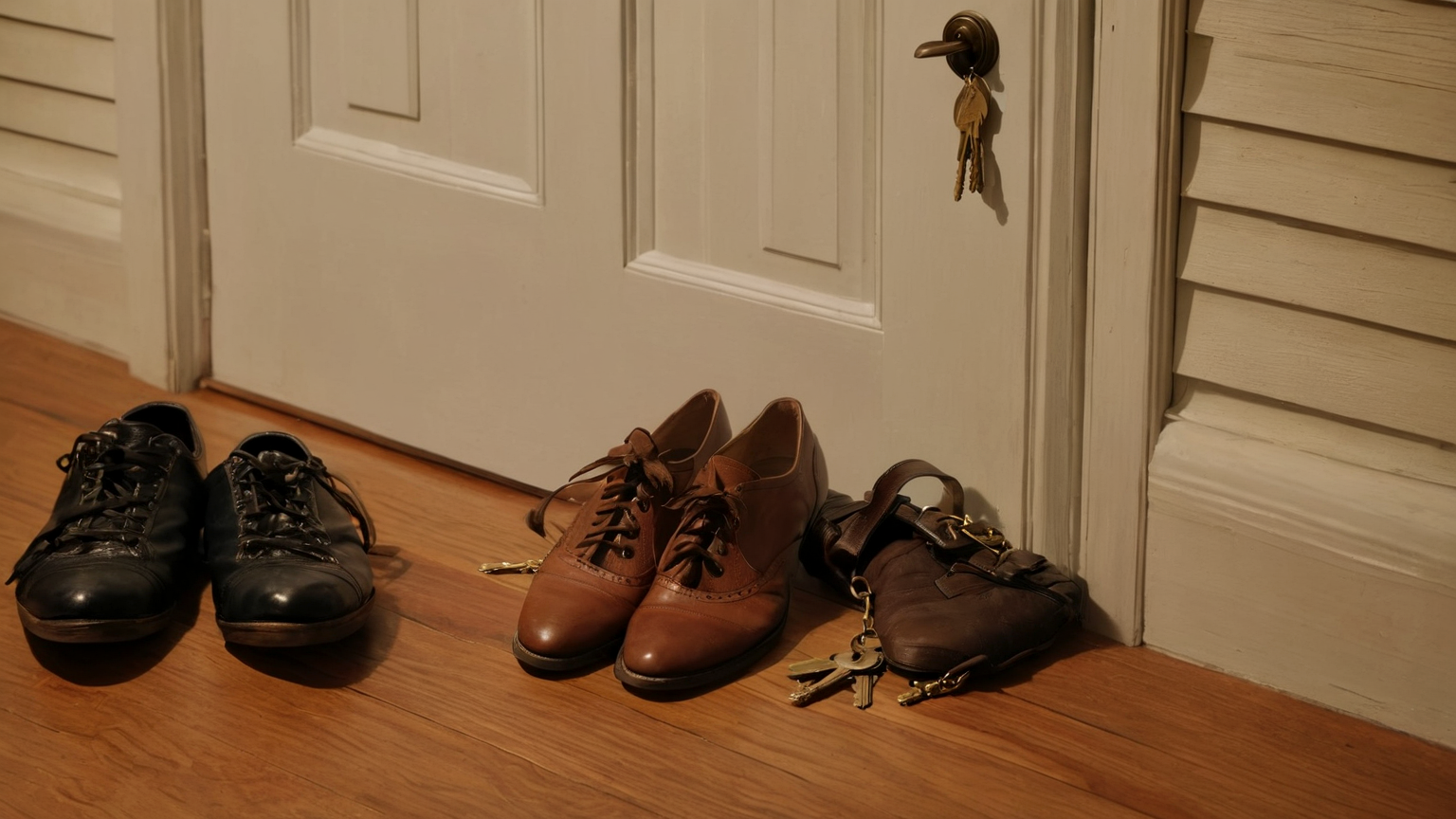
Every adult or caregiver should know the physical switch, the breaker location, and how to leave the light on for guests or emergency workers. App-only controls fail when the phone is lost, Wi‑Fi is down, or a guest is housesitting. Put the routine in plain household language: normal evening, late arrival, vacation, storm, and emergency.
Privacy and camera pairing
If the porch light is paired with a camera, avoid using brightness as a substitute for respectful recording settings. Keep camera zones tight, avoid neighbor windows, and do not create a routine that floods the area whenever a person walks past. The light should support safe entry; it should not escalate ordinary sidewalk activity into constant surveillance.
Monthly checklist
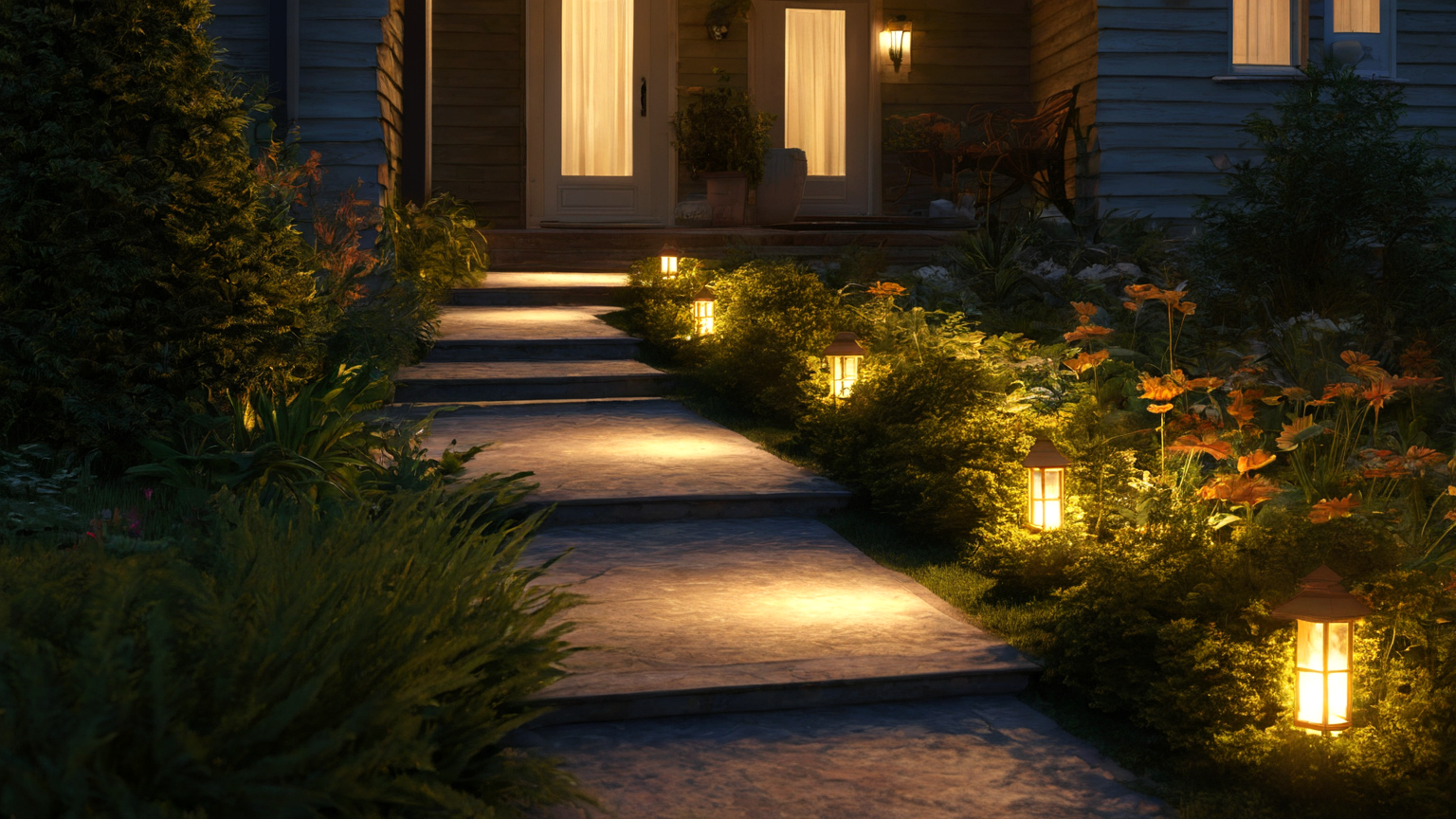
Check schedule drift, motion false positives, bulb heat, fixture seal, manual switch behavior, and neighbor-facing glare. After storms, look for water inside covers or loose hardware. Before travel, decide whether the home needs a simple occupancy pattern or whether a trusted person should check the property. Avoid complex scenes that no one can explain later.
Summary
A good smart porch routine is predictable, dimmer than you expect, brighter only when needed, and easy to override. It protects steps, locks, guests, and deliveries while respecting sleep, wildlife, and neighbors. That balance is stronger AdSense-ready helpful content than a product list because it gives readers a safe decision process before buying anything.