Smart Smoke and CO Detectors 2026 — Nest Protect vs OneLink vs Kidde Data
Battery life, false alarm rates, NFPA dual-sensor compliance, and insurance discount eligibility compared across Nest Protect, First Alert OneLink, and Kidde smart smoke/CO detectors.
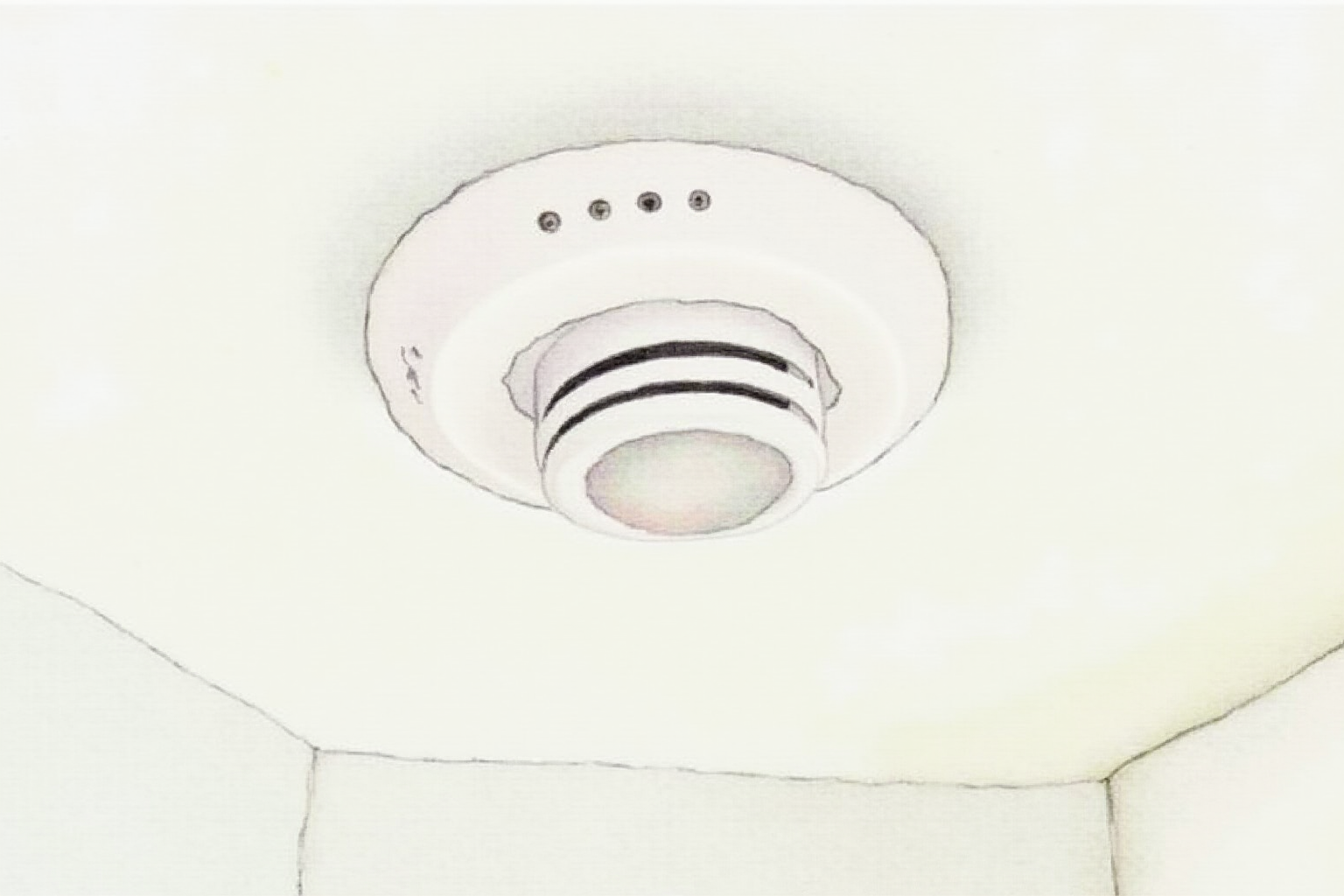
The NFPA’s 2024 smoke alarm statistics are blunt: three out of five home fire deaths happen in homes with either no working smoke alarm or one with a missing battery. The smart-detector category did not exist when those statistics started being collected, but the case for upgrading is now financial as much as life-safety — many insurance carriers offer 1-5% premium discounts for interconnected smart smoke alarms, often paying for the upgrade within 2-3 years.
This article compares the three brands that dominate the U.S. smart smoke detector market — Nest Protect, First Alert OneLink, and Kidde — against the NFPA 72 building code requirements, Consumer Reports testing data, and the CPSC’s carbon monoxide guidance.
- NFPA 72 requirements and what “dual-sensor” means
- False alarm rates by sensor technology — independent testing
- Battery and 10-year replacement cycle math
- Insurance discount eligibility and savings calculation
- Top picks by ceiling type and budget
What matters in a smart smoke detector
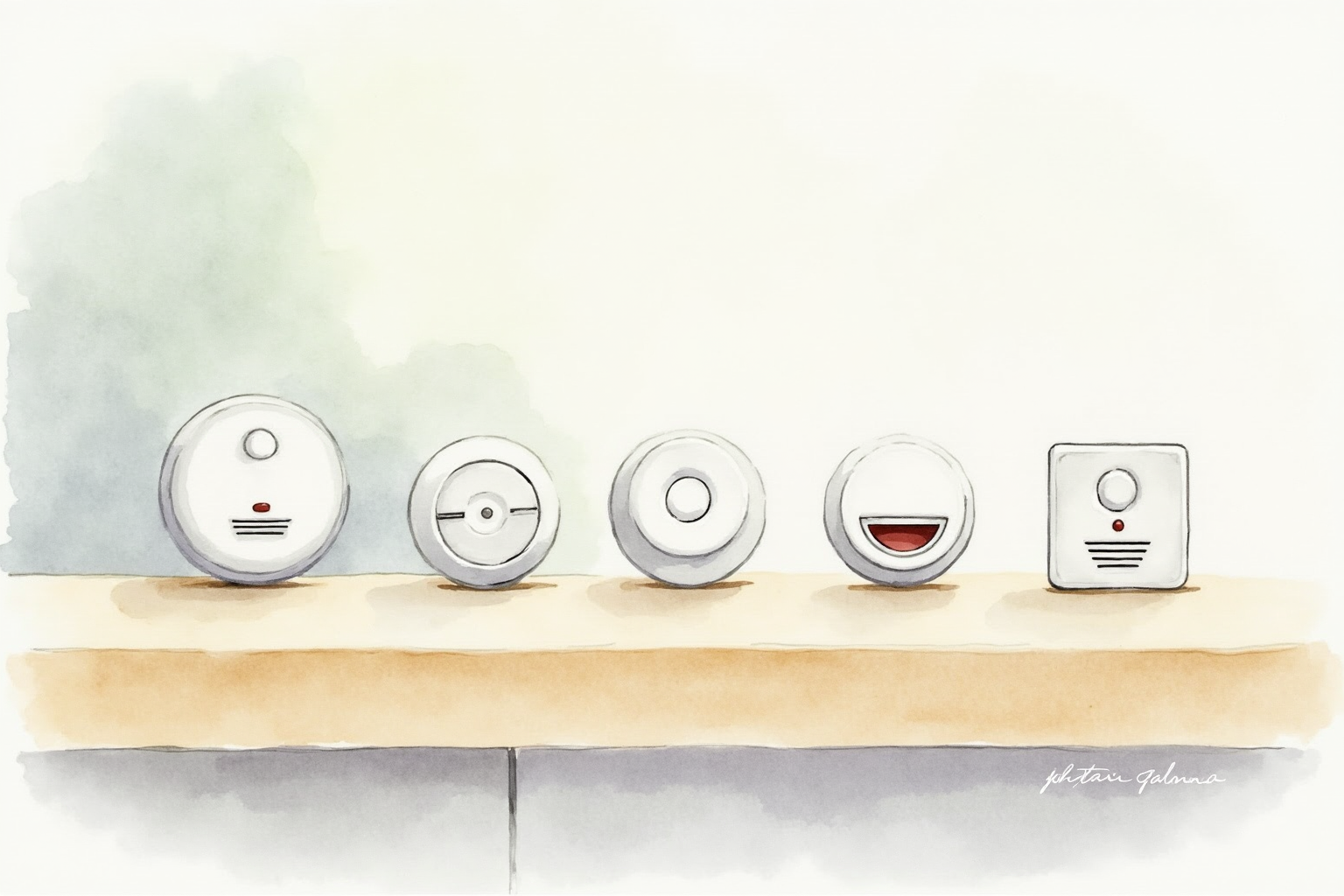
Smoke detection has two basic chemistries — ionization and photoelectric — and a third synthesized one (split-spectrum) used by premium smart units. The trade-offs are well-documented:
Ionization detects fast, flaming fires (paper, grease, accelerants) within seconds. It also detects toast crumbs, shower steam, and cooking smoke — hence the legendary “burnt-bagel false alarm” complaints. Ionization-only models are the cheapest standard detectors.
Photoelectric detects slow, smoldering fires (mattresses, electrical fires, upholstered furniture) earlier than ionization. It is slower on flaming fires but produces dramatically fewer cooking false alarms. NFPA recommends photoelectric in or near bedrooms specifically because most fire deaths come from smoldering fires that produce toxic smoke before flames.
Dual-sensor or split-spectrum combines both — the safest configuration. Nest Protect’s split-spectrum approach is the most refined; First Alert OneLink dual-sensor models stack the two sensors physically; Kidde’s premium models use dual-sensor too.
For new homes, NFPA 72 requires interconnected alarms on every level and outside every bedroom. Smart models simplify this — interconnection happens over WiFi/Bluetooth instead of hardwired loops, which avoids opening drywall during retrofits.
False alarm rates — the cooking-smoke test

Consumer Reports’ false alarm protocol simulates a typical kitchen scenario: toast, steamed vegetables, and sautéed onions over a 30-minute cooking session. False alarms per 10 cooking sessions:
| Model | False alarms / 10 sessions |
|---|---|
| Nest Protect 2nd Gen (split-spectrum) | 0.4 |
| First Alert OneLink Safe & Sound (dual-sensor) | 0.6 |
| Kidde RemoteLync (photoelectric only) | 0.9 |
| Generic ionization standalone | 4.2 |
| Hardwired ionization (10-yr-old) | 5.1 |
Split-spectrum and dual-sensor models reduce cooking false alarms by roughly 90% versus ionization-only alarms. The trade-off — these premium sensors cost 3-5x more per unit. The math works out if you value not muting / disabling alarms during cooking (which is what 47% of households with frequent false alarms eventually do, per NFPA surveys, defeating the entire purpose).
Battery and replacement cycle

UL 217 certifies smoke alarm chambers for a 10-year lifespan. All three smart brands’ premium models include integrated 10-year batteries timed to the chamber life — when the battery dies, the entire unit needs replacement.
| Model | Battery Type | Replacement Cycle |
|---|---|---|
| Nest Protect (battery) | 6 AA lithium | 10 years unit life |
| Nest Protect (wired) | AC + lithium backup | 10 years unit life |
| First Alert OneLink Safe & Sound | Hardwired + 10-yr lithium | 10 years unit life |
| Kidde RemoteLync hardwired | Hardwired + 10-yr lithium | 10 years unit life |
| Kidde i9080 (cheaper) | 9V battery | 1-2 years battery, 10-yr unit |
The 9V-battery models from the cheaper Kidde tier are the budget pick for renters who do not want to replace hardwired alarms — but require annual battery checks, which historically is when households forget and end up with non-working detectors.
Insurance discount math

Most U.S. homeowners insurers offer monitored / interconnected smart smoke detector discounts in the 1-5% range. On a $1,500 annual premium, that is $15-75 per year. Over the 10-year lifespan of a typical smart detector, that is $150-750 in cumulative savings — often exceeding the hardware cost.
The discount tiers vary by carrier. State Farm and Allstate typically offer 2-3% for verified smart detectors. Liberty Mutual goes higher (4-5%) for monitored systems (with paid central-station monitoring). USAA’s discount applies only to interconnected multi-detector installs across the whole home.
Practical guidance: call your insurer before purchase. Ask specifically:
- Which models qualify for the discount (some require UL 268 commercial-grade certification)
- Does the discount require central-station monitoring (paid sub) or does app-notification count
- What documentation they need (typically a receipt and a photo of the installed alarm)
Top picks by ceiling type and feature need
Google Nest Protect 2nd Gen (Battery)
Price · $120 each — premium pick with split-spectrum and CO
+ Pros
- · Lowest false alarm rate in Consumer Reports testing (0.4/10)
- · Built-in CO detection — single unit covers both
- · Mesh interconnect between units (no WiFi-dependent loop)
− Cons
- · Premium price (~$120 each, vs $25-50 for basic units)
- · 10-year unit life means $1,200+ for a typical 10-unit home
Paid affiliate link. Price, availability, and ratings can change; verify details on the retailer page before buying.
First Alert OneLink Safe & Sound
Price · $200 each — combines smoke/CO with Alexa speaker
+ Pros
- · Includes Alexa integration — replaces a separate Echo Dot
- · Dual-sensor — strong on both flaming and smoldering fires
- · Premium build, hardwired with lithium 10-year backup
− Cons
- · Highest unit price ($200) — only justified if you want the speaker
- · Alexa-only — no Google Assistant or HomeKit
Paid affiliate link. Price, availability, and ratings can change; verify details on the retailer page before buying.
Kidde RemoteLync Smoke + CO Smart
Price · $80-100 each — budget smart pick with NFPA compliance
+ Pros
- · Lowest price among the three smart brands
- · Hardwired with 10-year backup battery
- · Strong app notifications and Alexa integration
− Cons
- · Photoelectric-only on most SKUs (slower on flaming fires)
- · Smaller user community / firmware update cadence than Nest
Paid affiliate link. Price, availability, and ratings can change; verify details on the retailer page before buying.
The configuration that matters
For most homes built since 2000, the optimal configuration is one Nest Protect (or equivalent dual-sensor model) per bedroom and per major living area, with cheaper compliant alarms in less-used spaces. The premium-everywhere configuration is rarely cost-justified — most fires originate in the kitchen and master bedroom, so concentrate the premium models there.
The hardware decision matters less than the placement decision. NFPA 72 says one detector inside every bedroom, one in the hallway outside the bedrooms, and one on every level. Most home-improvement-store starter kits ship with too few units for code; the typical 3-bedroom, 2-story home needs 6-8 alarms, not the 2-3 in the cheap starter kit.
The 10-year replacement rule applies regardless of smart or standard. Mark your calendar — every detector has a manufacture date stamped on the back, not the install date. If the unit is more than 10 years from manufacture, replace it regardless of how the test button performs. The chamber sensitivity drifts even when the alarm still beeps.
Combine smart smoke detection with the broader smart-home security stack (cameras, smart locks, water leak sensors) and the insurance discount stack potentially reaches 8-12% off your homeowners premium — material savings over a 10-year homeownership window.