Smart Smoke and CO Alarm Maintenance: Family Safety Without Alert Fatigue
A practical 2026 guide to smart smoke and carbon-monoxide alarms, placement review, battery routines, app alerts, and stop-work safety limits.
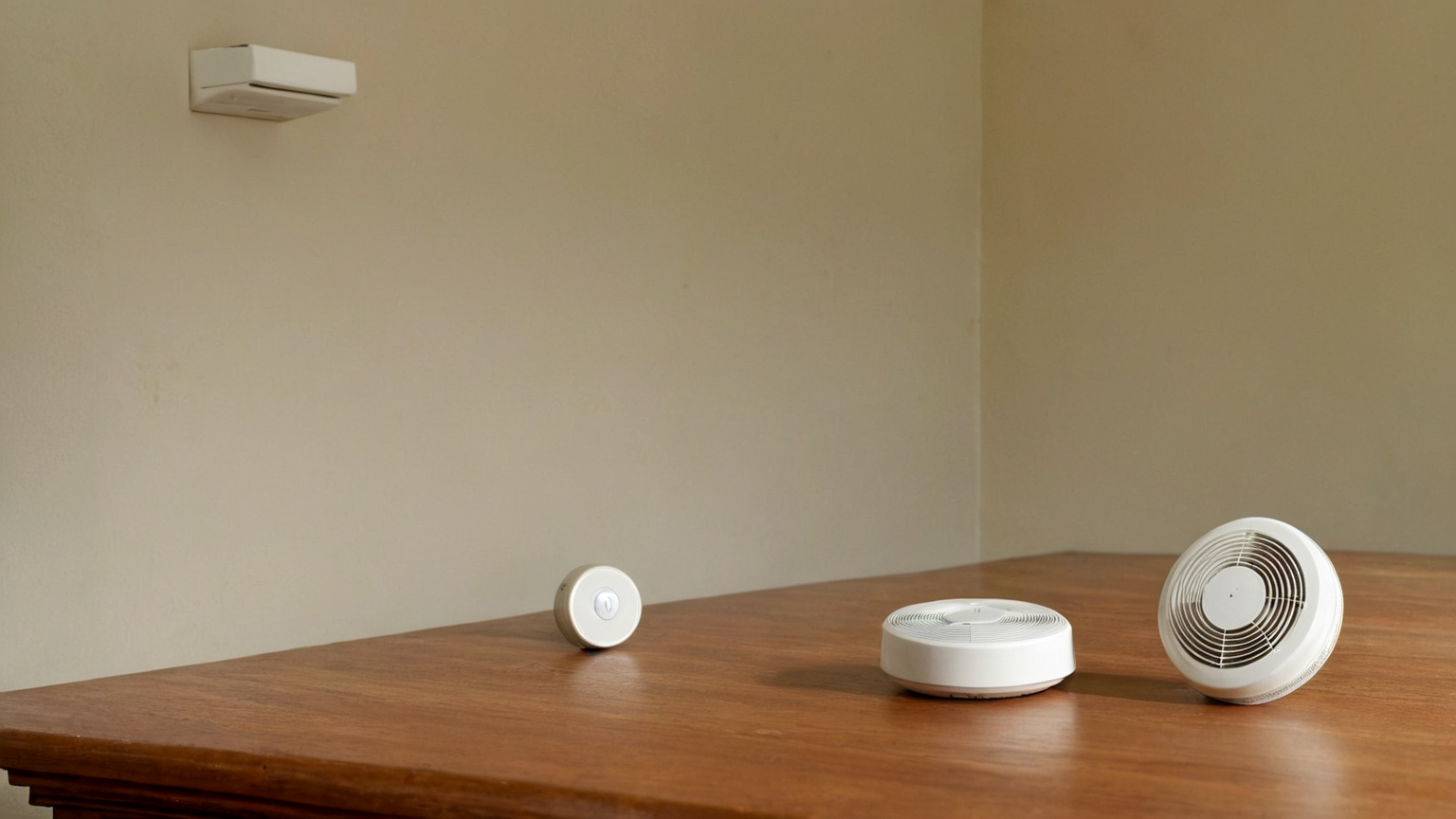
A smart smoke or carbon-monoxide alarm is not safer because it has an app. It is safer when the household knows where alarms belong, how to test them, who receives alerts, what sound means evacuation, and when to call emergency services instead of troubleshooting. This June 2026 guide turns connected alarms into a family maintenance routine without creating alert fatigue or false confidence.
The alarm decision table
| Situation | What the device can help with | Human check | Safer decision |
|---|---|---|---|
| Monthly test | Confirms sound/app path | Everyone recognizes the tone | Keep a dated log |
| Low-battery alert | Early warning | Battery type, model age, hardwire backup | Replace promptly |
| Cooking nuisance | Pattern evidence | Placement and ventilation | Do not disable protection |
| CO alarm | Urgent notification | Symptoms, fuel appliances, garage door | Leave and call for help |
| Old alarm | App may still connect | Manufacture/replace-by date | Replace on schedule |
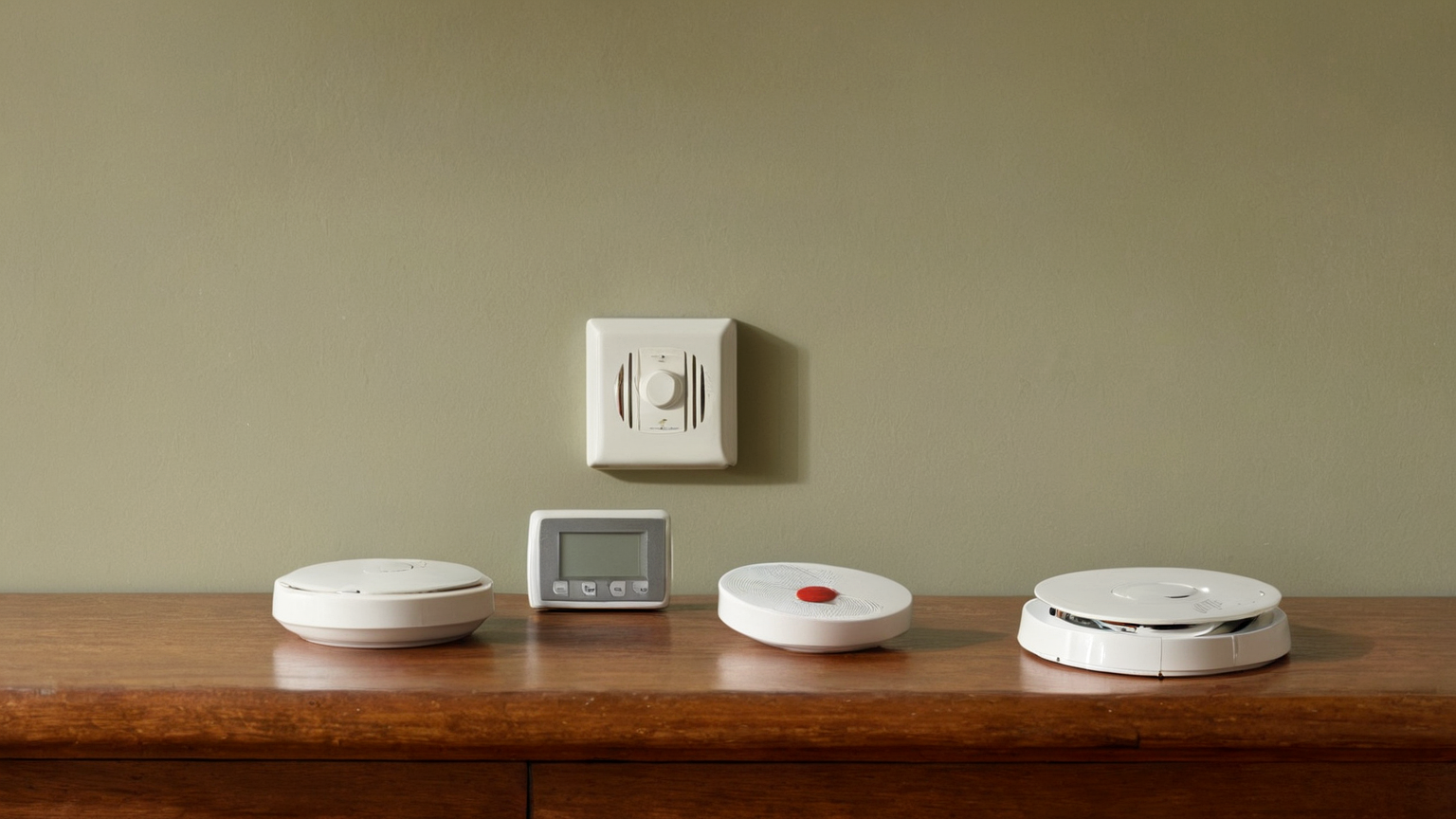
Start with placement and age
Before adding automations, walk the home with the manufacturer instructions and public fire-safety guidance. Check sleeping areas, hallways, each level, basement paths, attached-garage entry points, and any place alarms are too close to steam, cooking smoke, or vents. Connected features cannot fix an expired sensor, a missing bedroom alarm, or a device placed where nuisance alerts teach the household to ignore it.
Decide what alerts mean
Name notifications by action: “leave the house,” “check low battery,” or “test missed.” Avoid vague routines that treat every alert like a phone reminder. A smoke or CO alarm is not a maintenance ticket when it is sounding in real time. If carbon monoxide risk appears, do not open an app to diagnose the home while staying inside; move to fresh air and use emergency guidance.
Make testing boring and visible
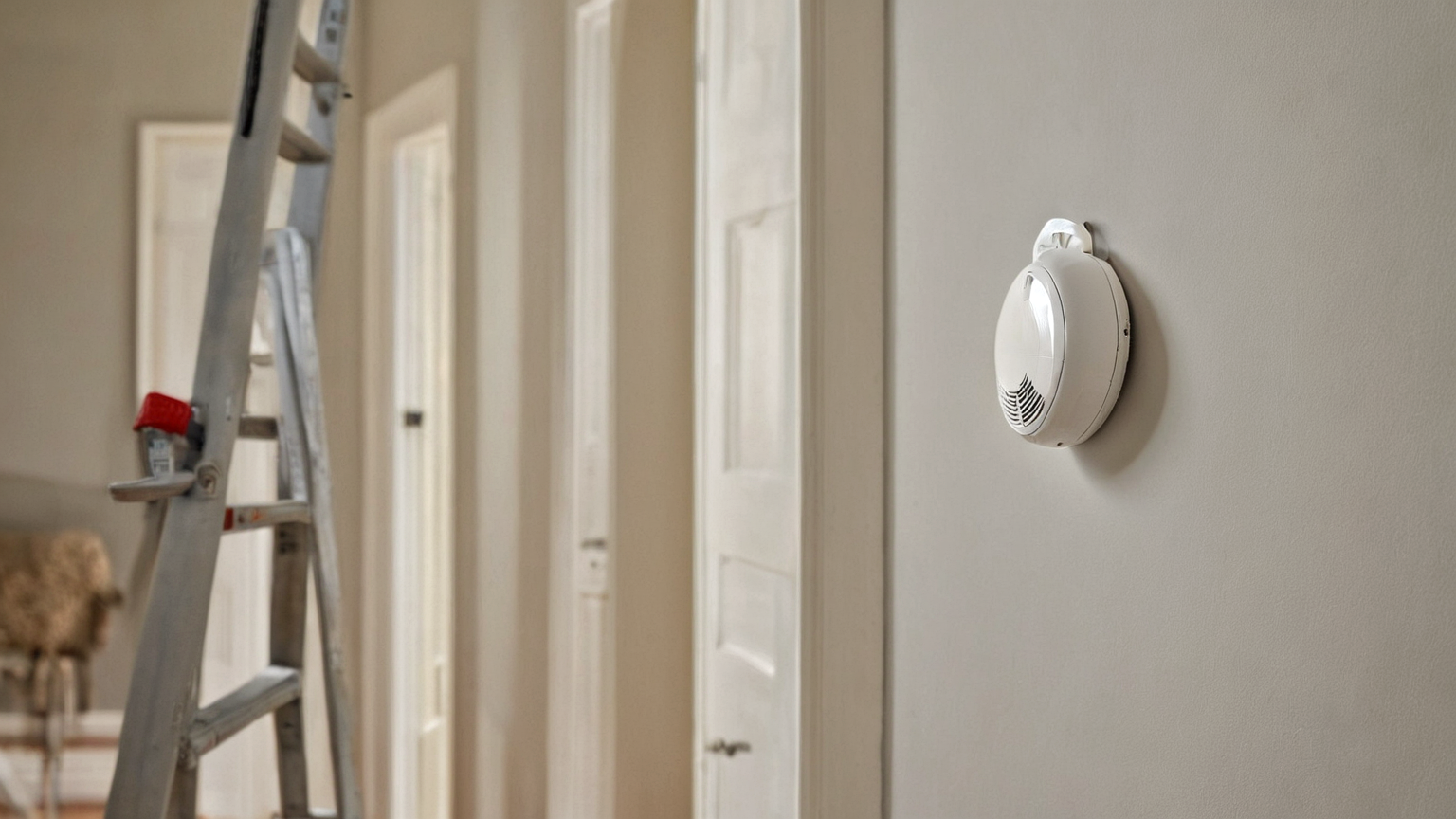
Pick one recurring day each month. Test alarms, confirm app recipients, check backup batteries where applicable, and note devices that are near their replacement date. The useful record is short: date, device, sound heard, app alert received, battery action, and next replacement. If an alarm chirps repeatedly, treat it as a maintenance failure, not background noise.
Prevent alert fatigue
Smart homes can send too many notifications. Do not route life-safety alarms through the same channel as package updates and robot-vacuum errors. Use priority contacts, emergency bypass settings if appropriate, and a household rule that nobody silences alarms without checking the cause. Children, older adults, guests, and pets need simple instructions, not a complicated dashboard.
Carbon monoxide needs a separate plan
CO is invisible and symptoms can be mistaken for illness. Keep fuel-burning appliances, fireplaces, generators, and attached garages in the risk map. Never run generators indoors or near openings, and never use ovens for heat. If a CO alarm sounds, the plan is evacuation and professional assessment, not moving the device until it stops.
Five-step maintenance routine
- Confirm placement and alarm age.
- Test sound and app alerts monthly.
- Keep batteries and replacement dates visible.
- Practice the exit plan, including night conditions.
- Treat smoke or CO alarms as stop-work events.
AdSense-quality trust note
This guide avoids product rankings because the safest alarm depends on local code, home layout, fuel appliances, accessibility needs, and model instructions. The helpful-content goal is a maintenance system that preserves life safety before convenience.