Smart Fridge and Freezer Temperature Alerts: Food Safety Without Guesswork
A practical 2026 guide to fridge/freezer temperature sensors, power-outage logs, safe discard decisions, and escalation rules.
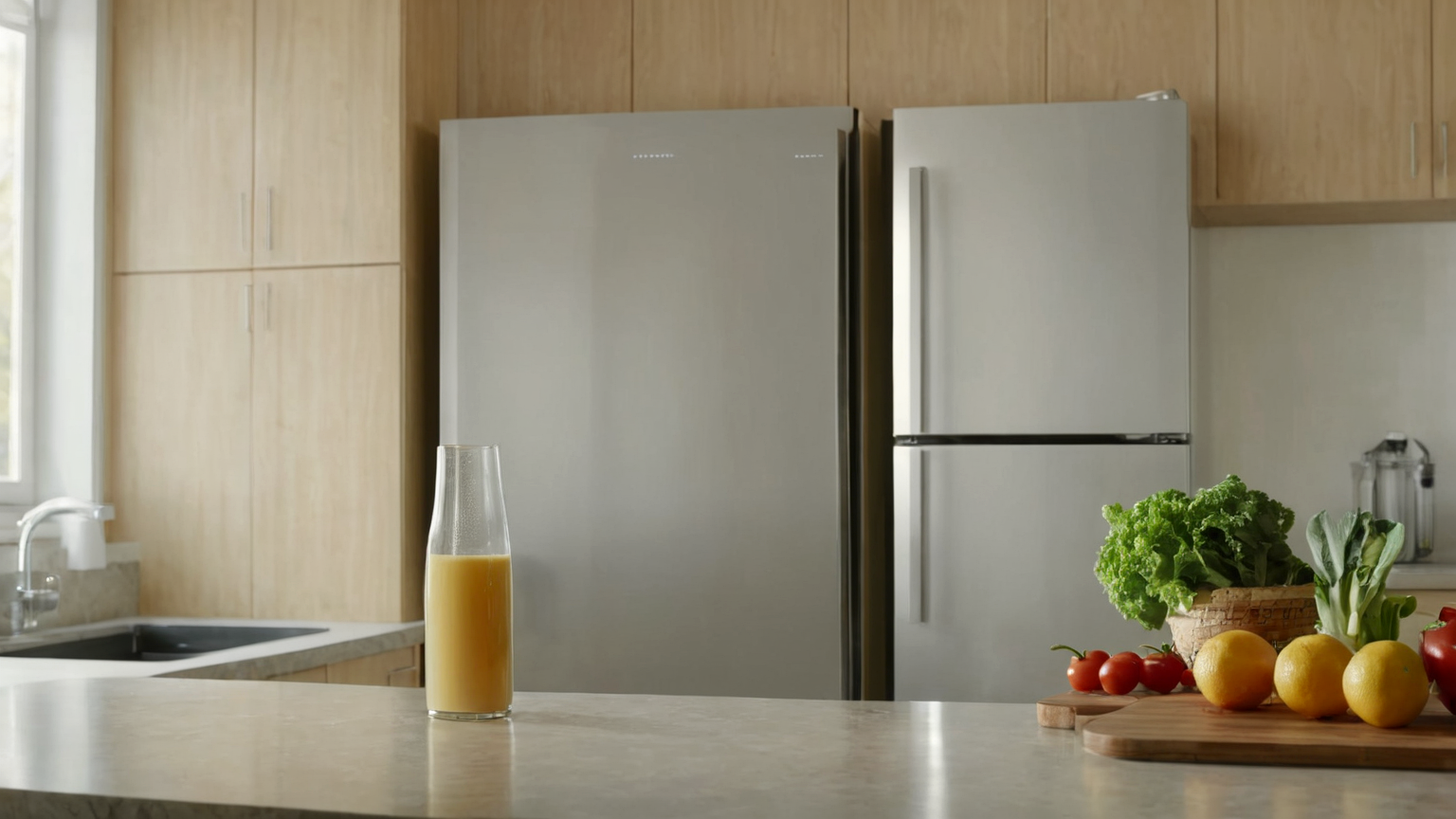
A smart temperature sensor can make fridge and freezer problems visible, but it cannot decide whether food is safe for you. The useful system combines sensor placement, outage timing, door discipline, thermometer checks, and a conservative discard rule. This June 2026 guide turns a connected refrigerator or add-on sensor into a food-safety workflow rather than a gadget that creates false confidence.
The food-safety decision table
| Situation | What the sensor tells you | Human check | Safer decision |
|---|---|---|---|
| Brief power blink | Temperature trend and alert time | Door stayed closed? | Log it and keep monitoring |
| Long outage | Approximate warm-up window | Appliance thermometer, food condition | Follow official discard guidance |
| Door left ajar | Rising compartment temperature | How long, which shelf, which food | Treat high-risk foods conservatively |
| Freezer thaw | Temperature rose above safe range | Ice crystals, package condition | Do not refreeze questionable foods |
| Repeated alerts | Pattern, not diagnosis | Gasket, loading, vents, coils, power | Repair or replace before trusting it |
Start with an appliance thermometer
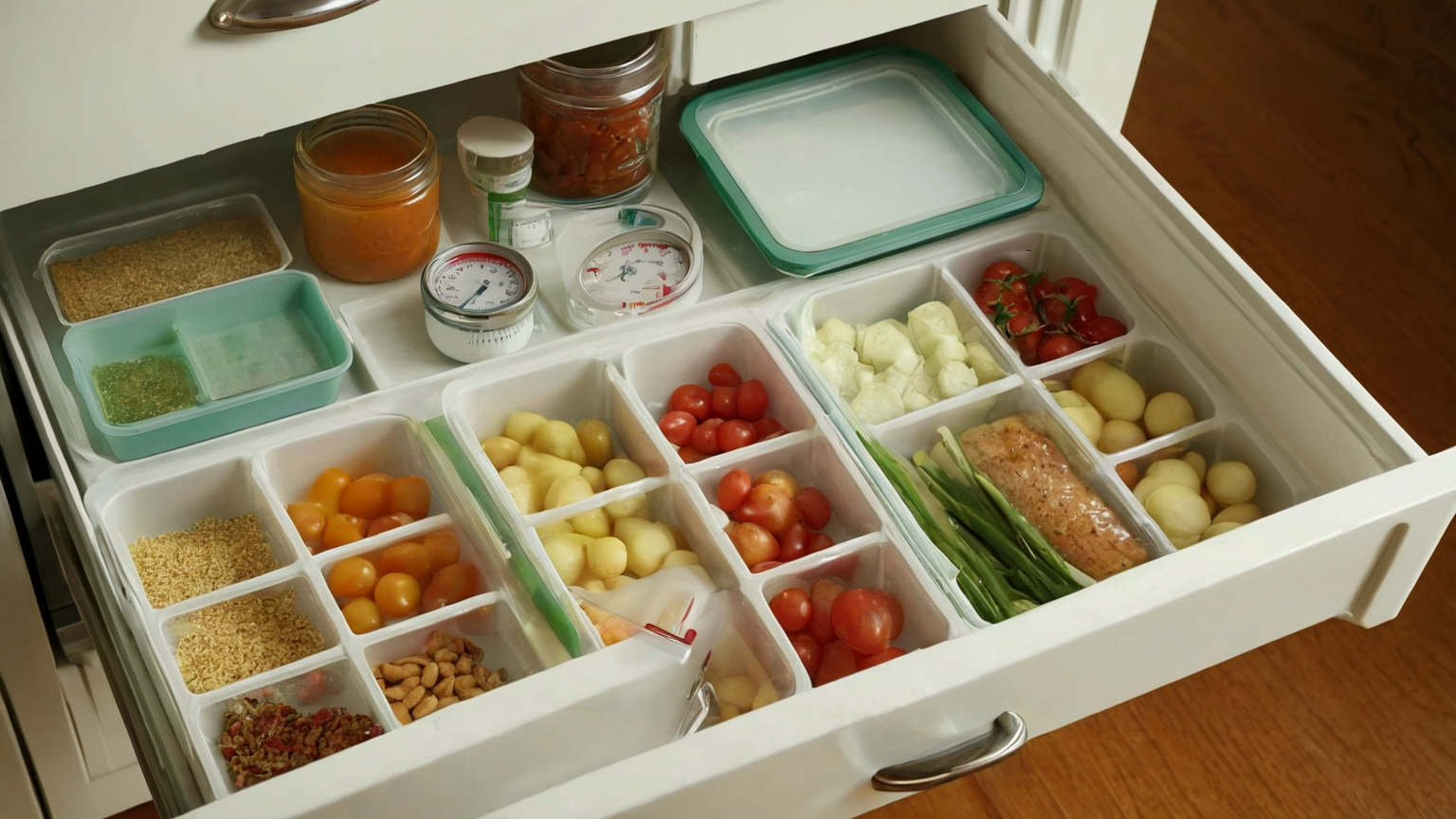
A smart sensor is most useful when it agrees with a simple appliance thermometer placed in the compartment. Do not rely on the app number alone, especially after moving the sensor, overloading the shelf, or opening doors repeatedly. Record the normal range for your actual fridge and freezer before storm season or travel. If the two readings disagree, solve the measurement problem before building automations around it.
Put alerts where they change behavior
Name alerts by action: “Freezer warm—keep door closed,” “Fridge warm—check outage time,” and “Garage freezer warm—inspect power.” Vague alerts invite panic or delay. If your system allows thresholds, avoid extremely tight settings that notify every normal defrost cycle. The purpose is to catch meaningful warming early enough to protect food and make a documented discard decision.
Power outages need a clock, not a guess
During an outage, the first useful record is the start time. The second is whether doors stayed closed. Write down the alert time, power-restoration time, and any door openings. Official food-safety guidance depends on time and temperature, so the log matters. If nobody was home, do not invent a safe timeline from a single notification; treat uncertainty as risk.
Do not let automation override food-safety judgment
A smart plug or energy monitor may show that the appliance has power, but power does not prove the food stayed cold. A refrigerator can run with a bad gasket, blocked airflow, dirty coils, failing compressor, or overloaded shelves. If high-risk food warmed, smelled unusual, leaked, or spent unknown time in the danger zone, the safe choice is discard. Money saved by guessing can be lost quickly in illness.
Build a travel and storm checklist
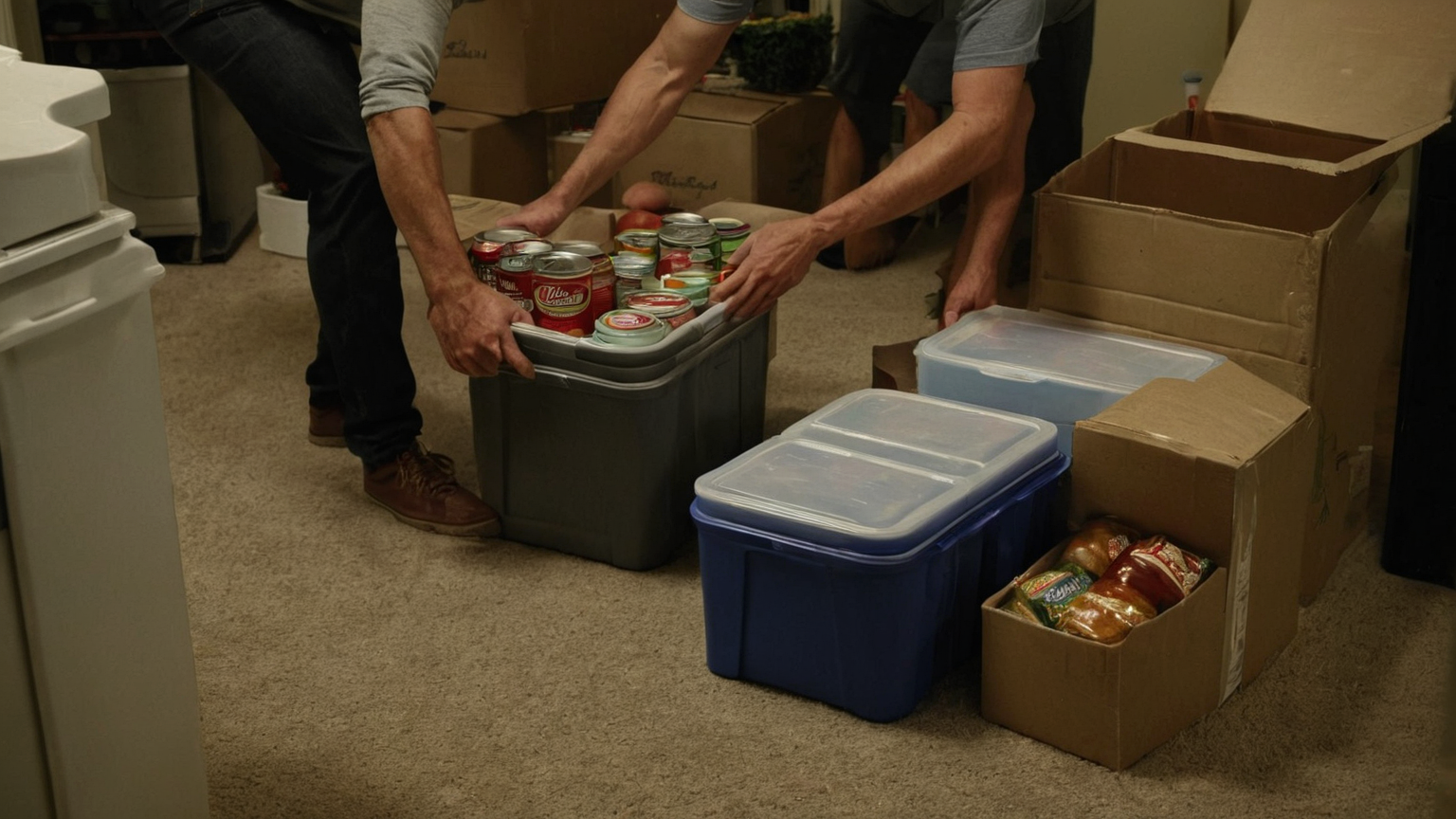
Before leaving town or a forecast outage, reduce unnecessary door openings, freeze water bottles where appropriate, confirm notifications reach more than one adult, and photograph the current appliance thermometer reading. Keep a cooler plan for essential medication or baby food if applicable. When you return, inspect the log before using the food, not after cooking.
Troubleshoot repeated warm alerts
Repeated small alerts usually have a cause: blocked vents, a door that does not seal, hot food loaded too quickly, a garage location outside the appliance rating, an extension-cord problem, or a sensor placed near the door. Fix the physical cause first. Smart notifications should become quieter after a repair; if they do not, the system is still not reliable.
Five-step setup
- Place an appliance thermometer and compare it with the smart sensor.
- Name alerts by the action required.
- Record outage start, restoration, and door openings.
- Use official discard guidance for warmed high-risk foods.
- Investigate repeated alerts instead of muting them.
Summary
Smart fridge and freezer alerts are best used as early warnings and documentation. They preserve AdSense-quality trust when the article is honest about limits: sensors inform, official food-safety guidance decides, and uncertain food is not worth gambling on.