Smart Indoor Air Quality Sensor: Cooking Ventilation Routine for 2026
A practical 2026 guide to using smart indoor air quality sensors around cooking, range hood habits, window timing, alerts, and safe family routines without overreacting to every spike.
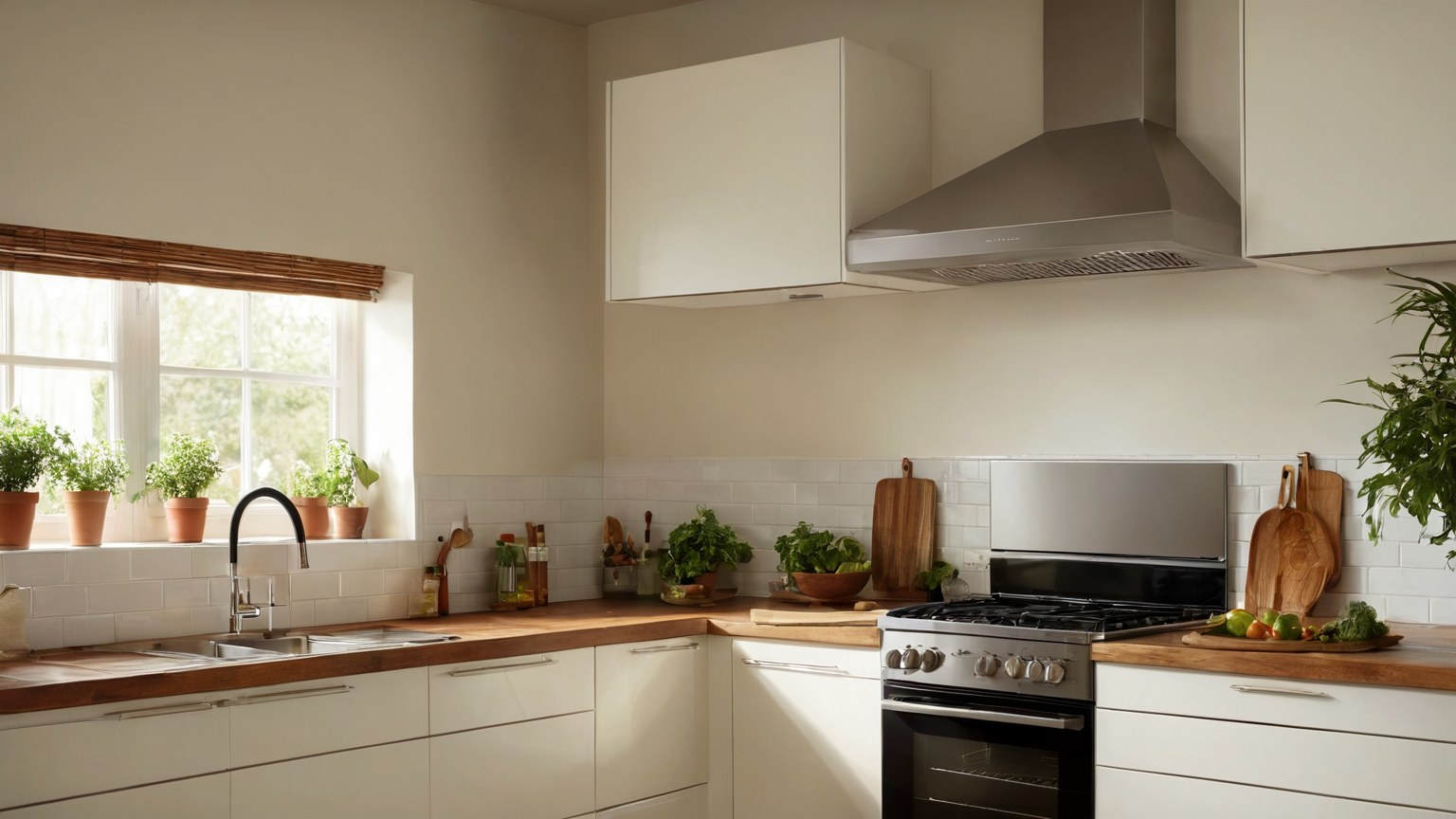
A smart indoor air quality sensor is most useful when it changes a household habit, not when it becomes another dashboard to stare at. Cooking is the moment many homes notice short pollution spikes, humidity, odors, or false panic alerts. This 2026 routine turns the sensor into a calm cooking checklist: ventilate before the pan gets hot, watch the trend after the meal, keep smoke and carbon-monoxide alarms separate, and document what actually improves the room.
The decision table
| Cooking moment | Good sensor use | Pause and fix |
|---|---|---|
| Before burners or the oven start | Range hood/fan is on, a window plan is safe for the weather, and the sensor is logging a normal baseline | Waiting until smoke, odor, or a high reading appears before ventilating |
| During frying, searing, or gas cooking | The cook watches trend direction and keeps smoke/CO alarms as the primary safety devices | Treating a consumer IAQ number as a diagnosis or disabling alarms because the app looks calm |
| After the meal | Fan or window timing continues until the reading trends back toward the household baseline | Closing the kitchen immediately while humidity, particles, or odor are still elevated |
| Weekly review | One habit changes: hood sooner, lid placement, shorter high-heat session, or cleaner filter | Buying another gadget before testing whether ventilation behavior improved |
Step 1: Set a cooking baseline before changing devices
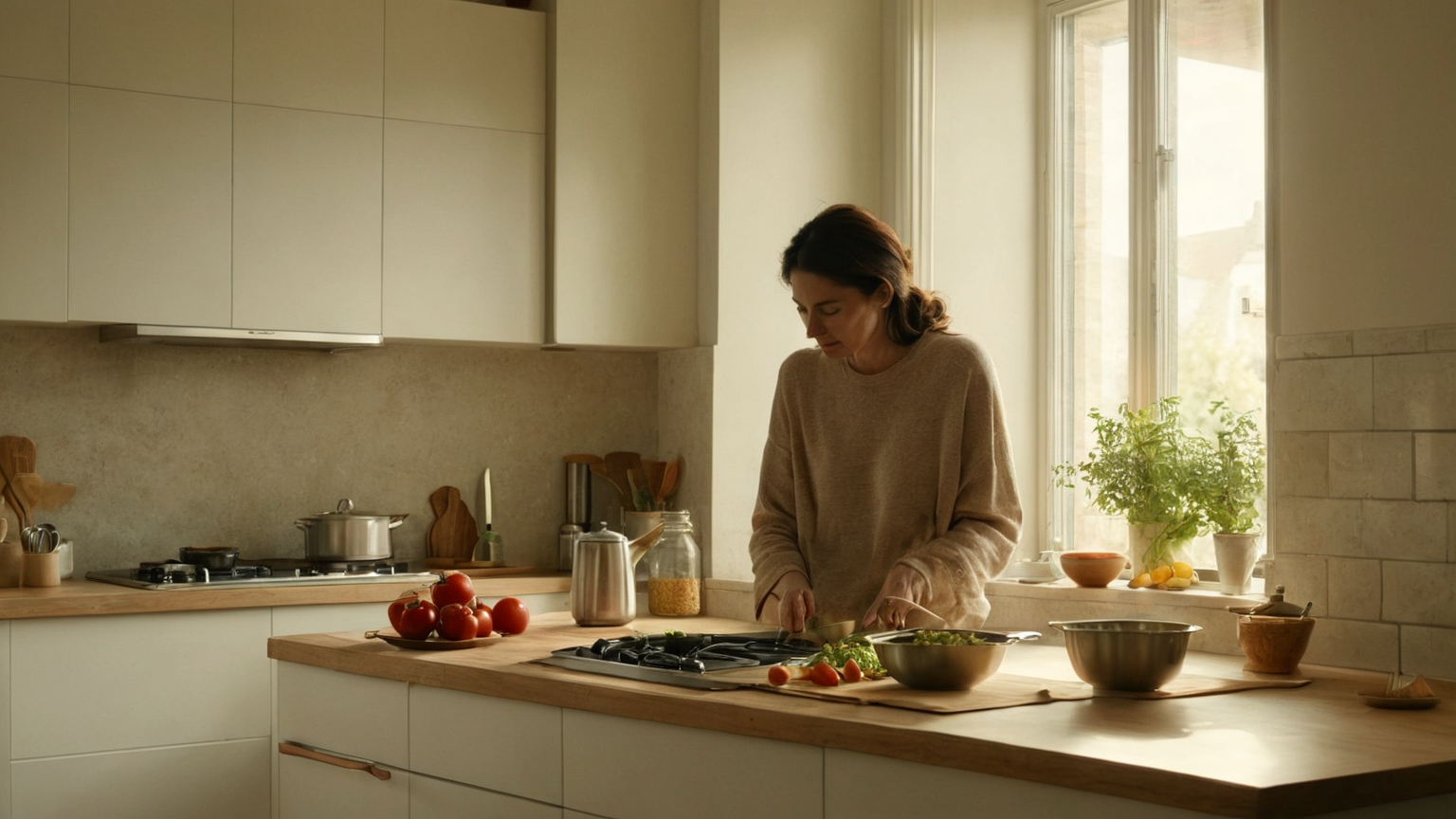
Use the sensor for a normal cooking day and write down three practical details: what was cooked, when ventilation started, and how long the reading took to return near baseline. Do not compare one meal to another without context; boiling pasta, pan-searing, broiling, and cleaning products can all create different spikes. A baseline helps the family learn which habits matter instead of reacting to every app notification.
Step 2: Keep safety devices separate from comfort data
A smart IAQ monitor can support better habits, but it is not a replacement for smoke alarms, carbon-monoxide alarms, a working range hood, or manufacturer maintenance instructions. If a gas appliance smells unusual, an alarm sounds, or a person has symptoms, follow emergency and professional guidance rather than waiting for a consumer sensor trend. For renters, ask the landlord or property manager before changing fans, ducts, or electrical fixtures.
Step 3: Build the routine around real cooking behavior
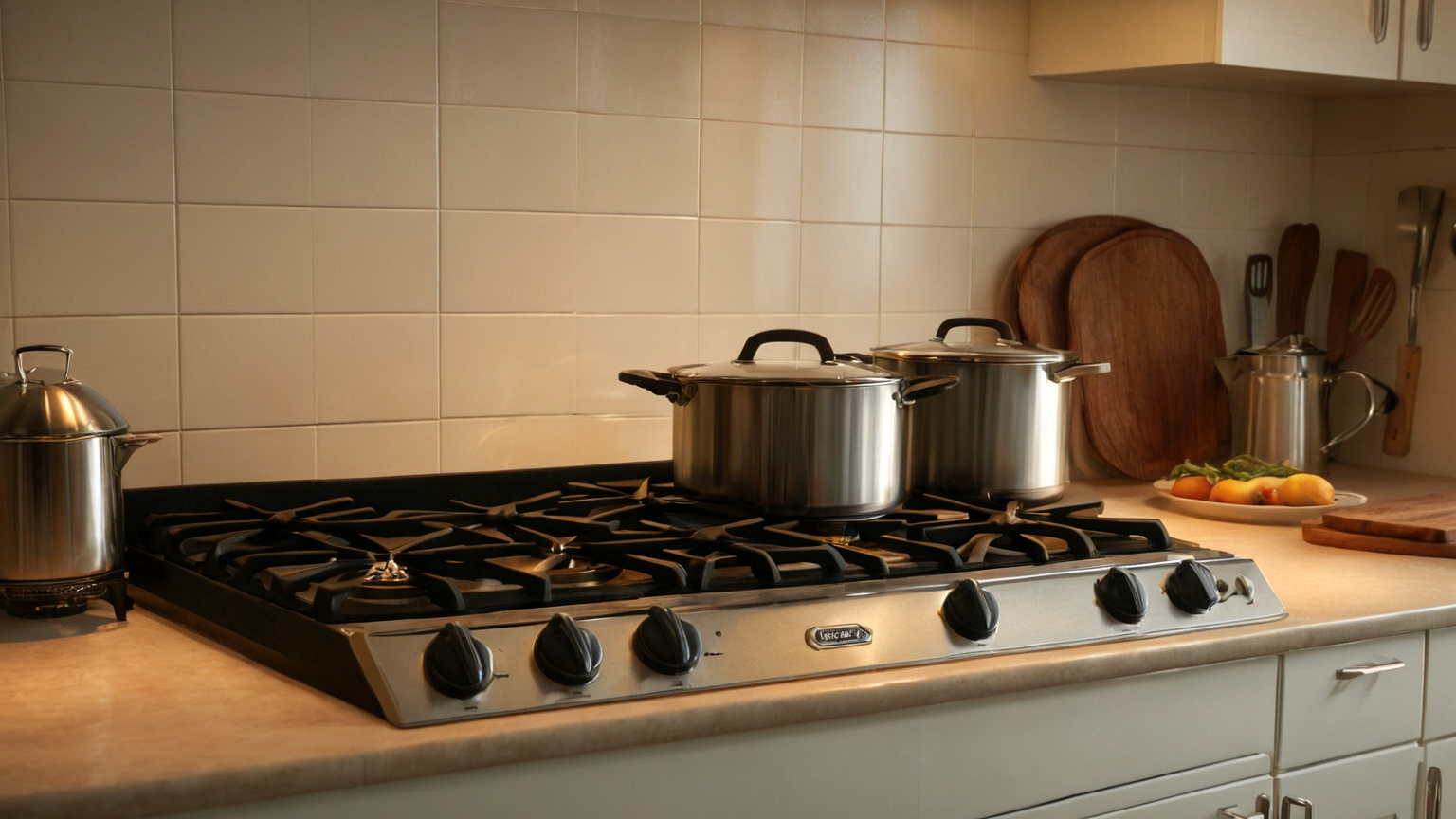
Put the reminder where cooking starts: near the hood switch, on the meal-plan card, or beside the sensor. The routine should be short enough for a rushed weeknight: hood on before heat, lid or splatter control ready, safe window choice, fan left on after cooking, and filter check on cleaning day. If nobody follows the routine after a week, remove steps until it fits the kitchen.
Practical checklist
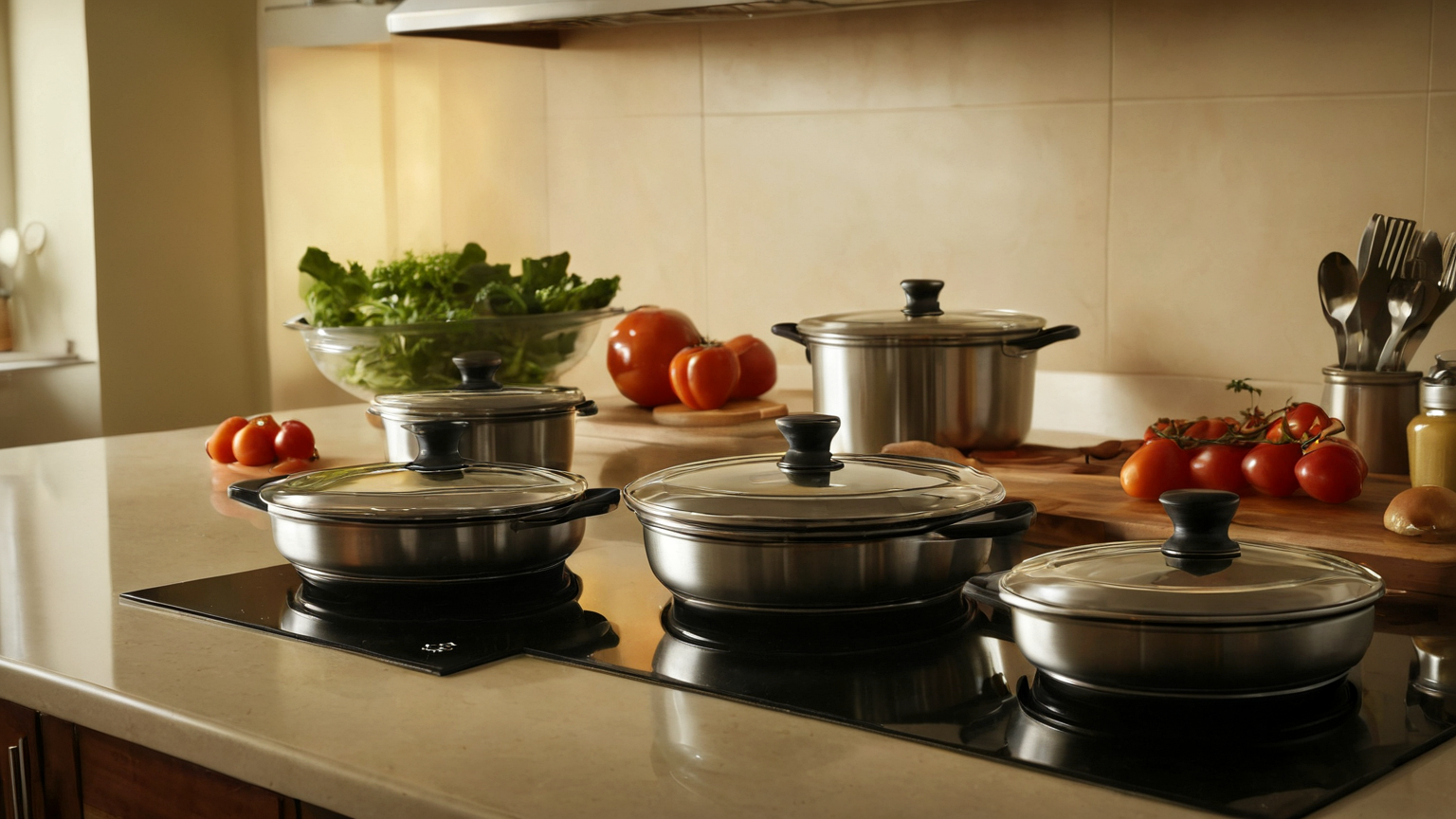
- Turn on the hood or planned ventilation before high-heat cooking begins.
- Keep smoke and carbon-monoxide alarms installed, powered, and separate from the IAQ app.
- Record meal type, ventilation start time, and recovery time for one week.
- Clean or replace hood filters according to the appliance instructions.
- Avoid unsafe window use during storms, wildfire smoke, extreme heat, or poor outdoor air.
- Use the sensor trend to choose one habit change, not to diagnose health symptoms.
- Contact an HVAC, appliance, landlord, or medical professional when readings, odors, alarms, or symptoms point beyond routine cooking comfort.
Common mistakes
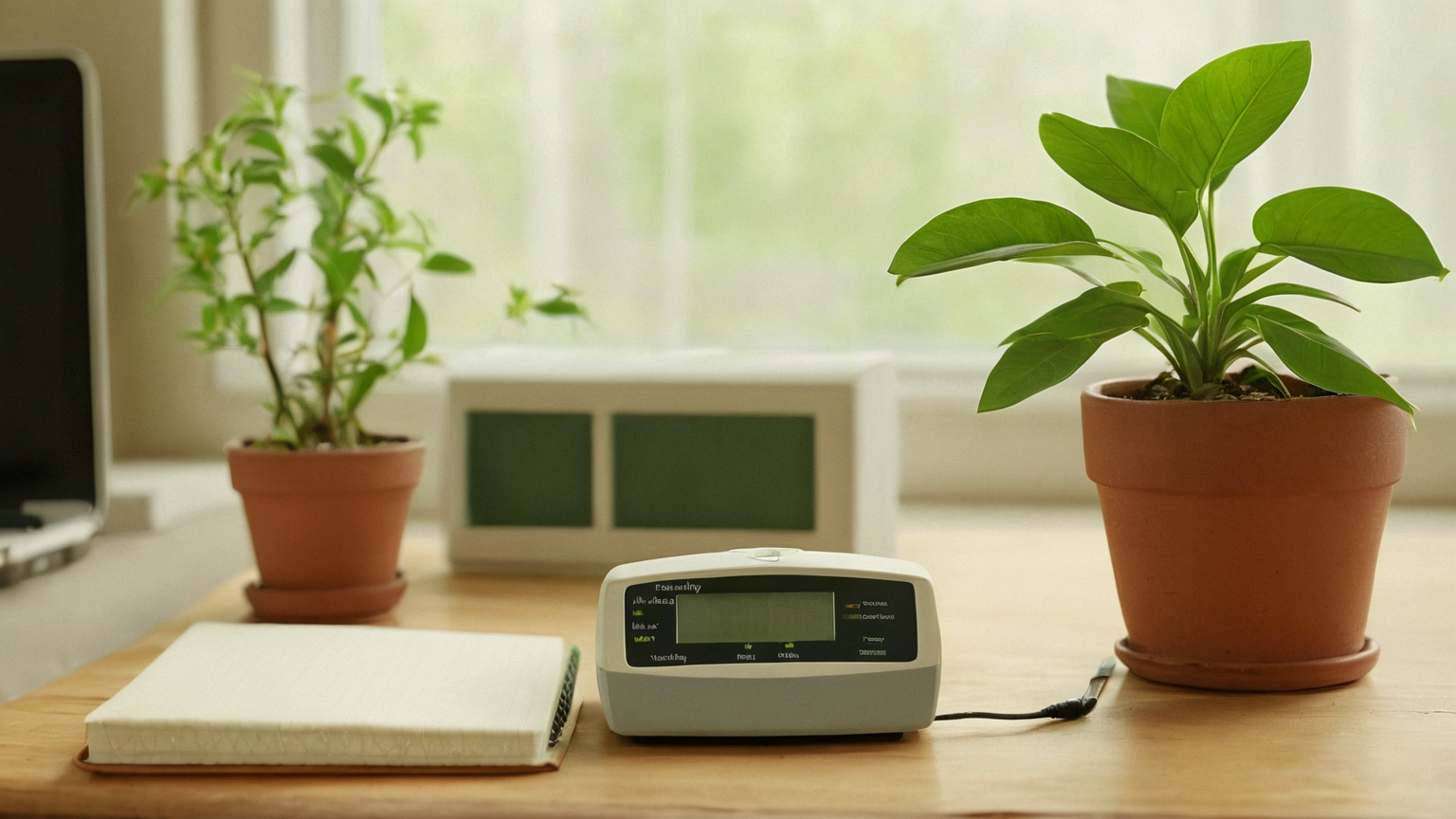
The first mistake is treating a colored app badge as medical or building-safety proof. The second is comparing meals without noting what was cooked and when ventilation started. The third is leaving the fan off because the spike is expected; a predictable spike is exactly the moment a routine can help. The fourth is making the routine so technical that family members ignore it.
Reader FAQ
Should the sensor decide whether dinner is safe? No. Use it to improve ventilation habits; food safety, appliance safety, smoke alarms, and carbon-monoxide alarms are separate checks.
Is one high reading a reason to panic? Not by itself. Note the cooking method, ventilate safely, watch whether the value trends down, and escalate if there are alarms, odors, symptoms, or repeated unexplained spikes.
What is the lowest-risk first improvement? Start the hood or fan earlier and keep it running briefly after cooking, then compare recovery time over several similar meals.
One-week review
At the end of the week, keep the one behavior that shortened recovery time without making the kitchen harder to use. If the room felt more comfortable, odors cleared faster, or family members remembered the hood before cooking, the routine is working. Keep notes simple and privacy-safe; the goal is a safer cooking habit, not a larger dashboard.
Summary
A useful smart IAQ cooking routine connects sensor trends to concrete ventilation behavior. Start with a normal baseline, keep alarms and professional guidance separate, change one habit at a time, and review whether the kitchen recovers faster after meals. That is more helpful to readers than gadget hype and it avoids overstating what a consumer sensor can prove.