Smart Sump Pump Battery Backup Plan: Alerts Without False Confidence
A practical 2026 guide to sump pump backup power, water sensors, discharge checks, outlet safety, and escalation rules before heavy rain.
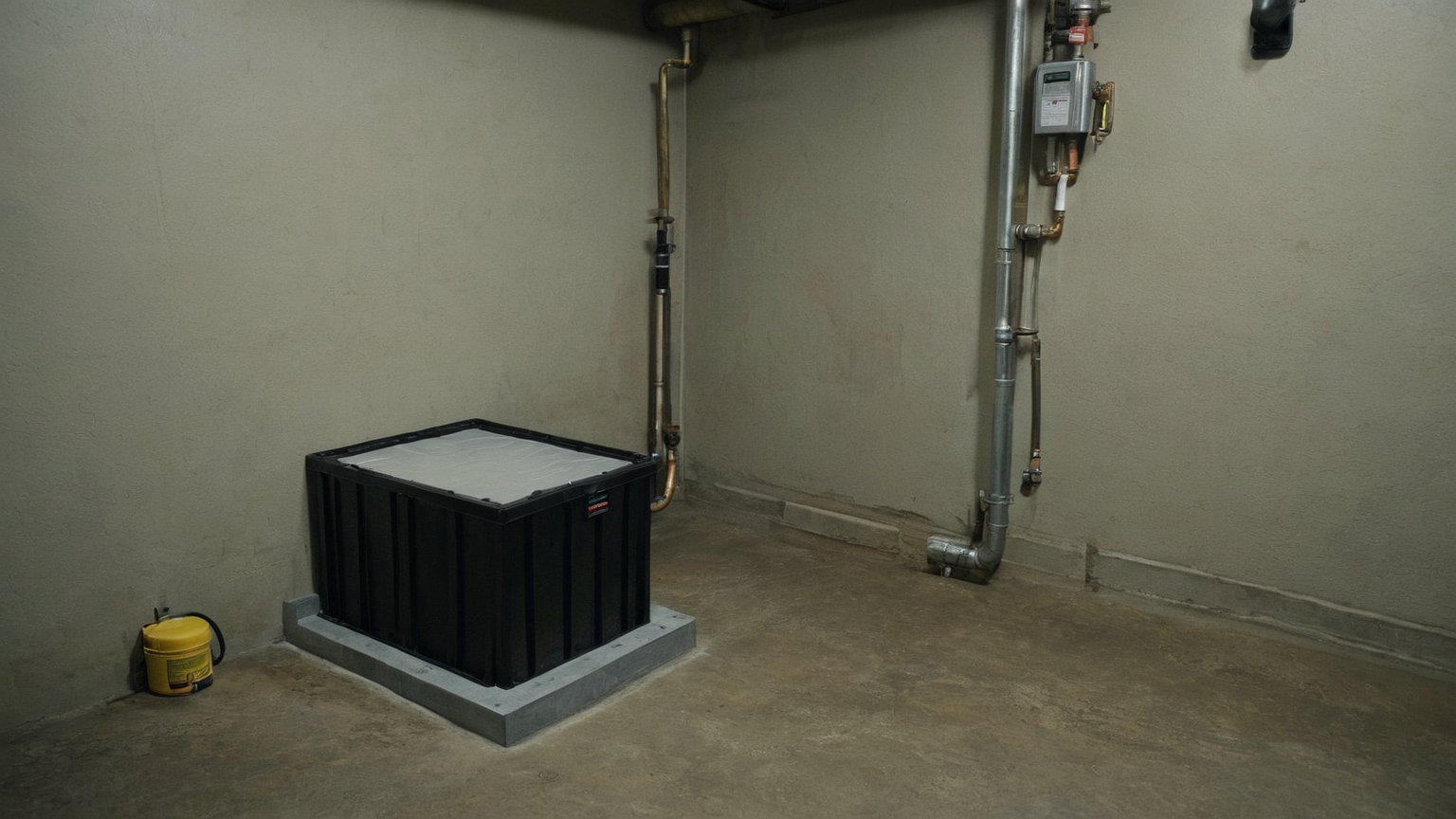
A smart sump pump setup should reduce surprises, not create false confidence. Before a heavy-rain week, the useful question is not “Did I buy the smartest pump?” It is “Will I know if water rises, power fails, the discharge is blocked, or the backup battery is no longer dependable?” This June 2026 guide turns sump protection into a simple inspection and alert routine that preserves safety, documentation, and escalation options.
The sump system decision table
| Risk | What to check | Smart layer | Stop rule |
|---|---|---|---|
| Pump cannot start | Power, float movement, pit debris | Water-level alert near the pit | Electrical damage, burning smell, or standing water near outlets |
| Power outage | Battery age, charger status, runtime expectation | Backup battery and outage notification | Battery swelling, corrosion, or unknown wiring |
| Discharge problem | Pipe outlet, freezing risk, splashback | Camera note or reminder after storms | Water returning toward the foundation |
| Hidden water | Floor sensors near low points | Leak sensor notifications | Repeated alerts after rain |
| Mold and damp storage | Items off floor, drying plan | Humidity trend plus photos | Visible mold growth or health symptoms |
Separate pump failure from water-source failure
A sump pump removes collected water; it does not fix grading, foundation cracks, clogged drains, roof runoff, or a sewer backup. After rain, write down where the water appears first. If the pit fills quickly but the floor stays dry, the pump may be doing its job. If water appears at a wall seam, under stored boxes, or near a floor drain, the smart alert is evidence for a maintenance decision, not the final repair.
Put alerts where they answer a question
Place one water sensor near the pit but not inside the moving mechanism. Place another at the first low point where water would threaten stored items or finished flooring. If the system supports it, name the alerts by action: “Sump floor water—check pump,” “storage wall water—move bins,” and “utility room water—avoid electricity.” Vague alert names make emergencies slower.
Battery backup is a maintenance item
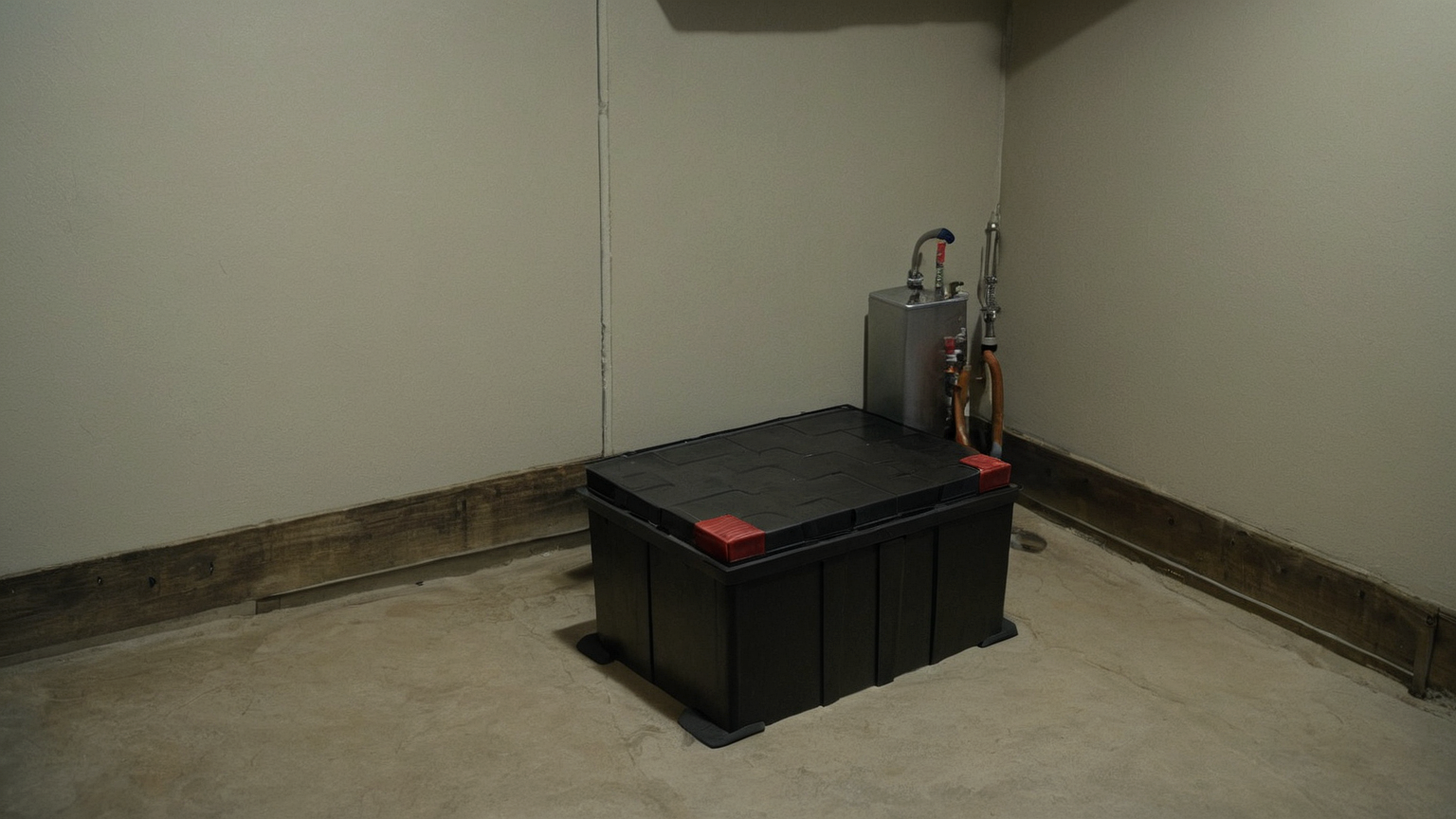
A backup battery is not a permanent guarantee. Record installation date, charger behavior, test result, and replacement guidance from the manufacturer. Keep it elevated, ventilated, and away from puddles. Do not improvise wiring or place a battery where children, pets, water, or stored metal objects can reach it. If the battery case is damaged, hot, swollen, leaking, or corroded, stop and get qualified help.
Keep electricity away from water decisions
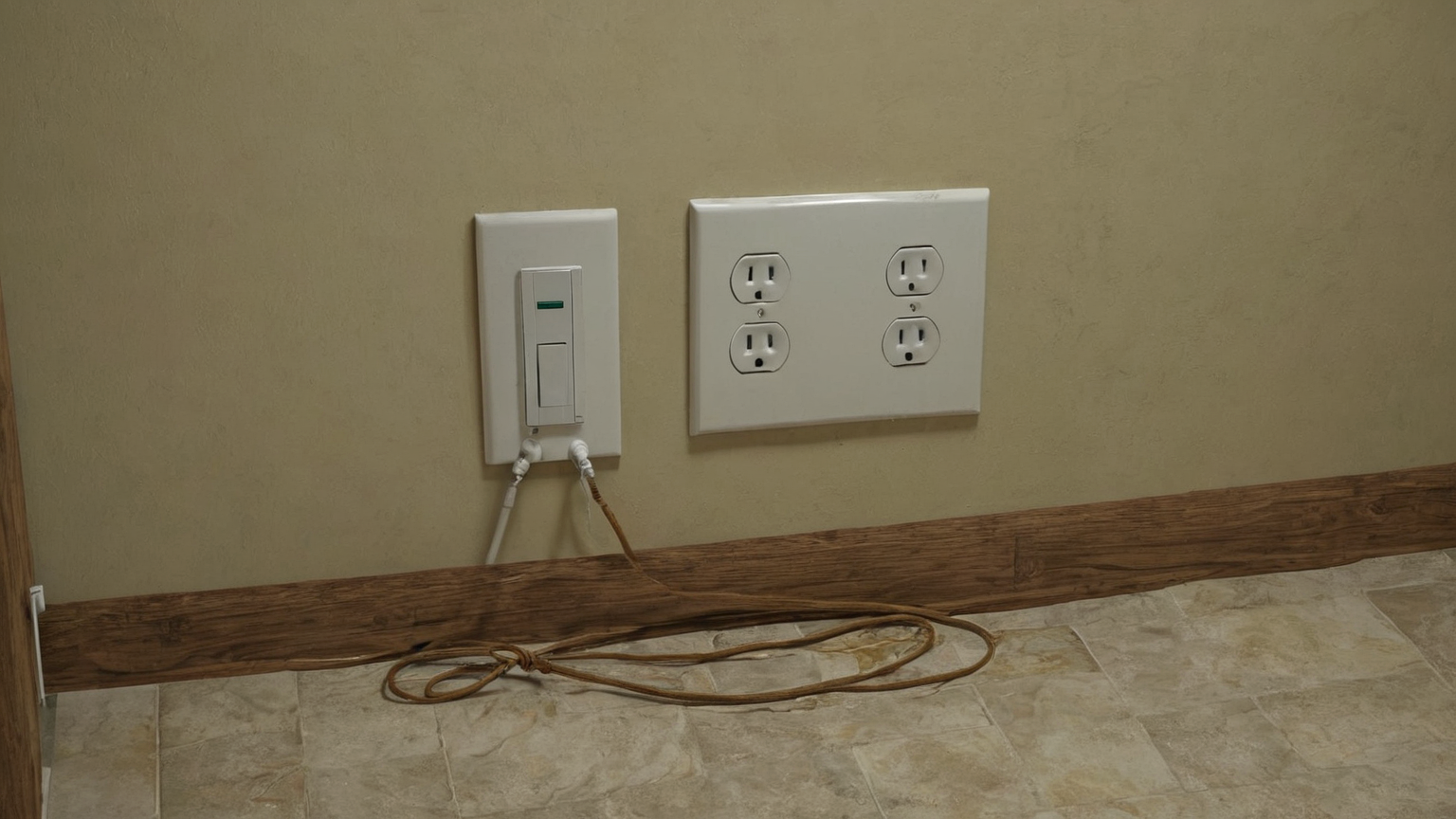
Sump areas combine water, cords, pumps, chargers, and sometimes extension-cord temptations. That combination deserves caution. Do not step into standing water to reset equipment. Do not run cords across wet floors. Do not defeat outlet protection. If water is near energized equipment, treat the problem as an electrical safety issue first and a smart-home issue second.

Inspect the discharge path after storms
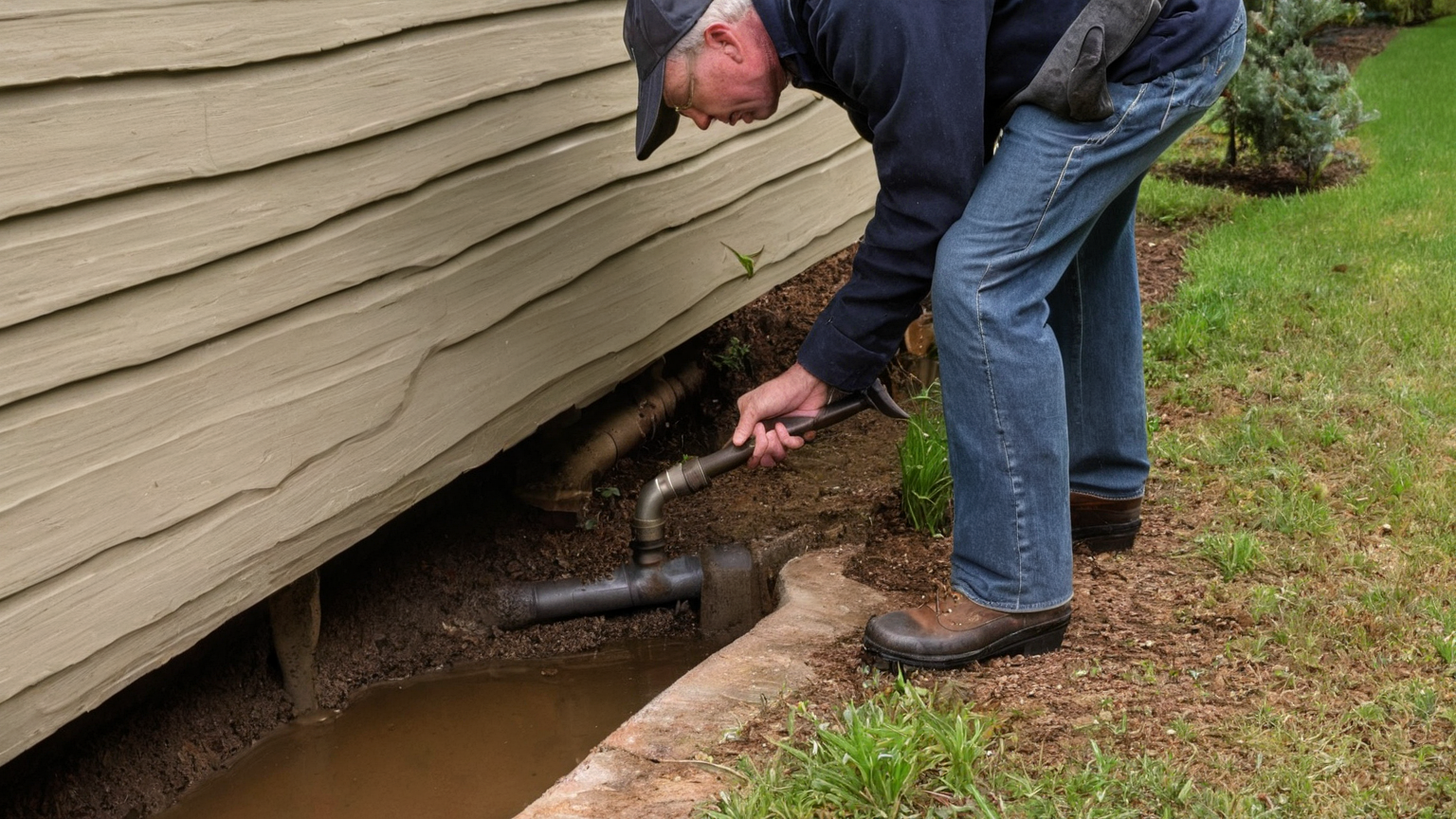
The pump can run correctly and still fail to protect the basement if the discharge outlet is blocked, pointed back toward the foundation, crushed, frozen, or buried. After a rain event, check where water exits. Photograph the outlet, splash pattern, and any return flow. This creates a record you can use with a contractor, landlord, insurer, or maintenance team without relying on memory.
Create a storm-week routine
Forty-eight hours before forecast heavy rain, clear storage from the floor, confirm sensors are online, test notifications, check the pump area visually, and make sure a flashlight is available. During the storm, do not repeatedly enter unsafe areas. Afterward, photograph conditions, dry small damp spots promptly, and escalate persistent moisture before it becomes mold or material damage.
Renter and owner documentation
Renters should report water patterns early with clear photos, dates, and sensor logs. Owners should keep maintenance records, battery dates, and contractor notes in one folder. In both cases, smart-device histories are supporting evidence, not proof that the building is safe. If water intrusion repeats, the next action is diagnosis of drainage, grading, foundation, plumbing, or sewer risk.
Five-step sump readiness checklist
- Confirm sensors are online and named by action.
- Check the pit area without touching unsafe electrical equipment.
- Review backup battery age, charger status, and manufacturer guidance.
- Inspect discharge flow after rain.
- Move storage up, dry small dampness quickly, and escalate repeated water.
Summary
A good smart sump plan is boring: safe placement, simple alerts, documented tests, clear stop rules, and early escalation. The goal is not to watch water rise on your phone. The goal is to prevent a small basement warning from becoming a mold, electrical, or structural problem.