Smart Sump Pump Outlet and Basement Storm Check Routine for 2026
A source-backed sump pump and smart water sensor routine for safer basement storm checks before heavy rain.
Smart Sump Pump Outlet and Basement Storm Check Routine for 2026
A sump pump routine is useful only when it can be checked before the weather alert, understood by another adult, and verified without touching wet wiring. This guide is current as of 2026-07-01 and focuses on a small smart-home workflow: outlet visibility, pump access, water-alarm placement, storm notes, and a conservative handoff plan.
Basement storm decision table
| Basement cue | Safer next action | Avoid |
|---|---|---|
| Forecast calls for heavy rain tonight | Confirm the pump is reachable, the outlet area is dry, and a water alarm has working batteries | Waiting until water is already around the pump to look for the outlet |
| The outlet or cord sits near damp storage | Move dry storage first and keep hands off wet plugs; call a qualified electrician if the outlet area is wet or damaged | Touching a plug, extension cord, or power strip while standing on a wet floor |
| A helper will check the basement while you are away | Leave one written pump location, alarm sound, and shutoff/escalation note | Relying on a smart-app notification that only one phone can read |
| The pump has cycled repeatedly during a storm | Record the time, water level, and discharge path, then plan a post-storm inspection | Resetting alerts without noting whether water is rising or the discharge is blocked |
Start with the outlet and dry access path
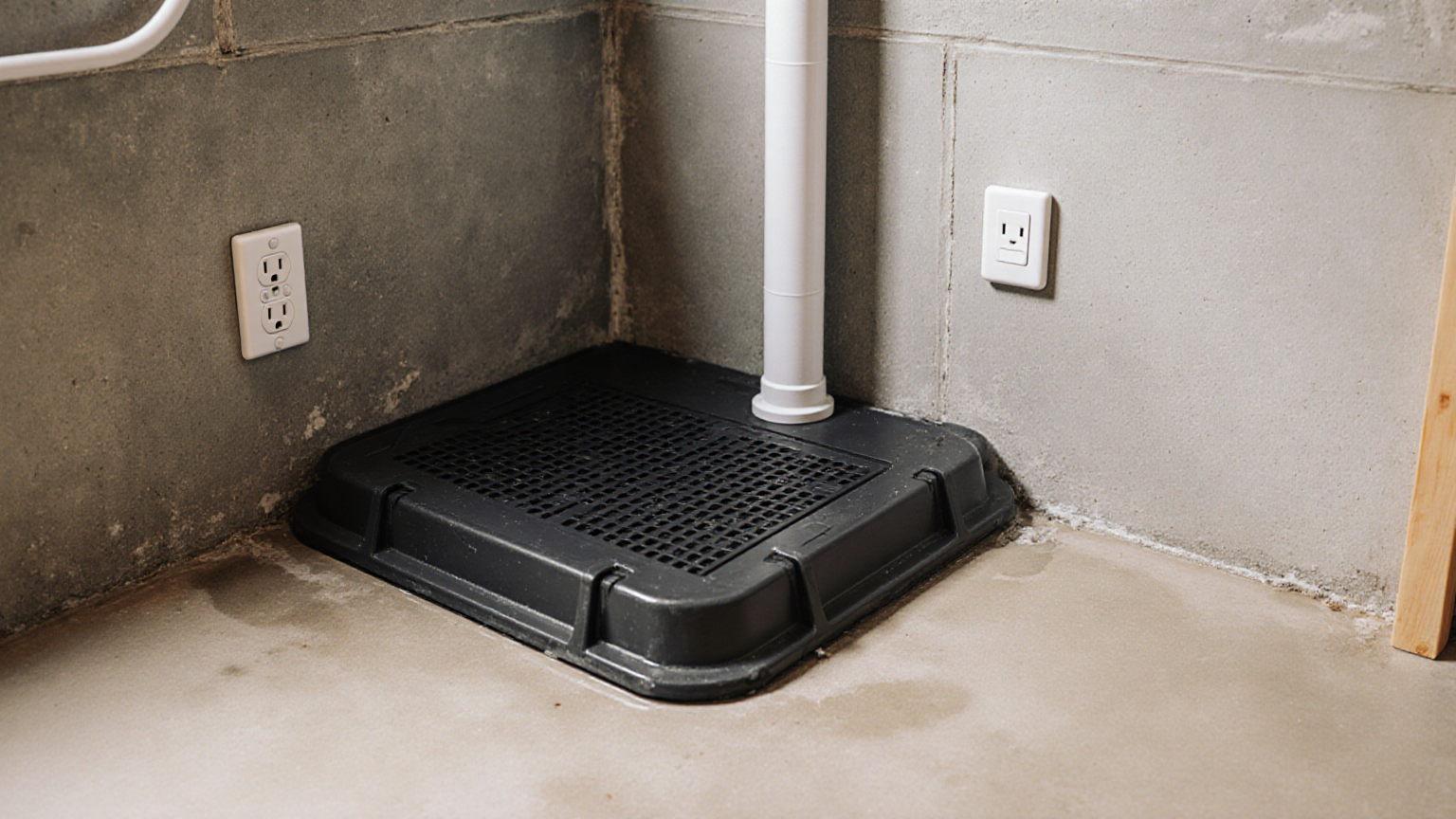
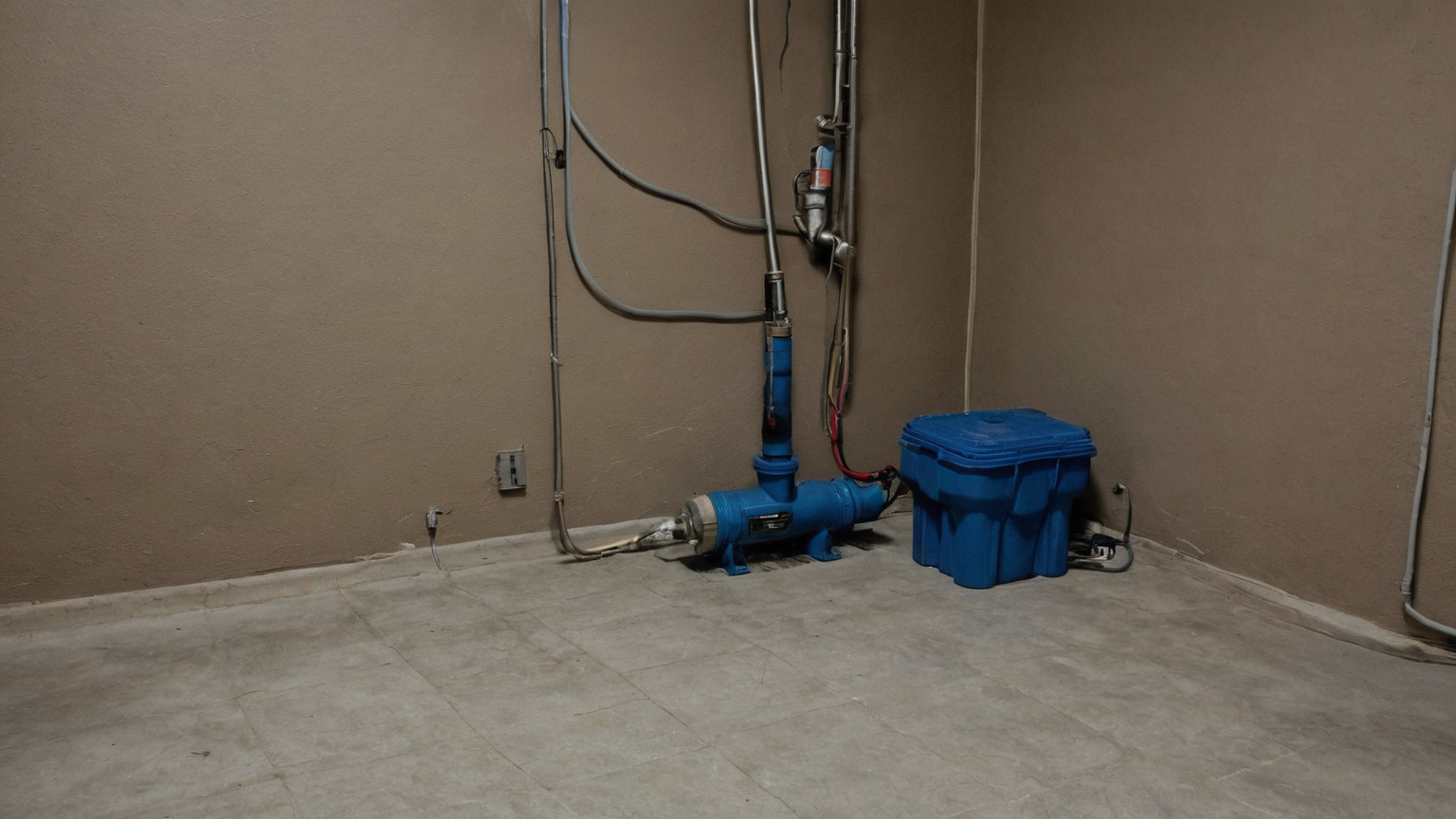
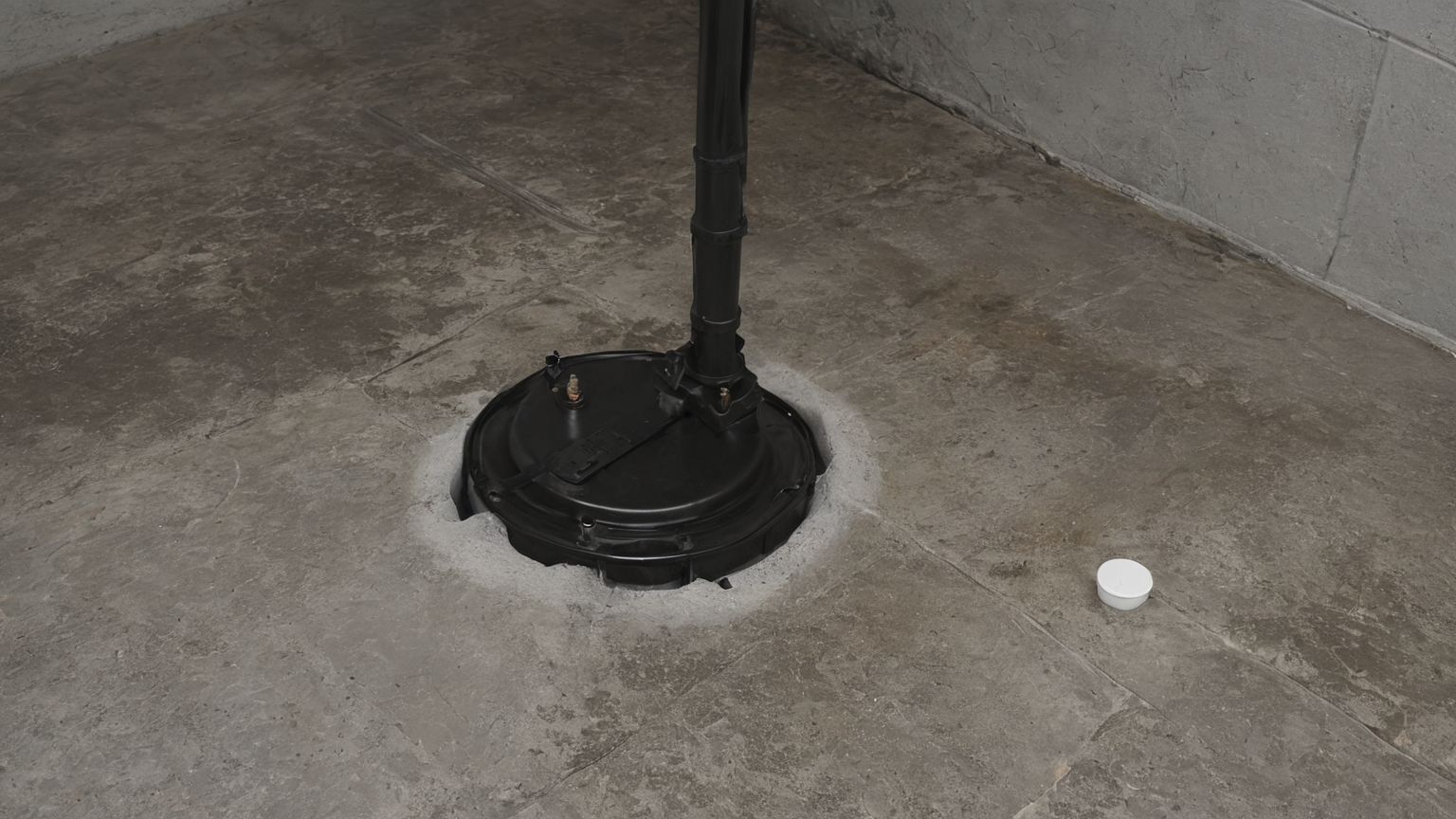
Do not begin by buying another sensor. Stand at the basement entry and ask whether the pump, outlet, and walking path are visible in ordinary light. The outlet should not be hidden behind storage, the cord should not cross a wet walking path, and the pump cover should not be buried under boxes. If water is already present near electricity, stop and use the conservative safety path rather than testing devices by hand.
Place the alert where it changes behavior
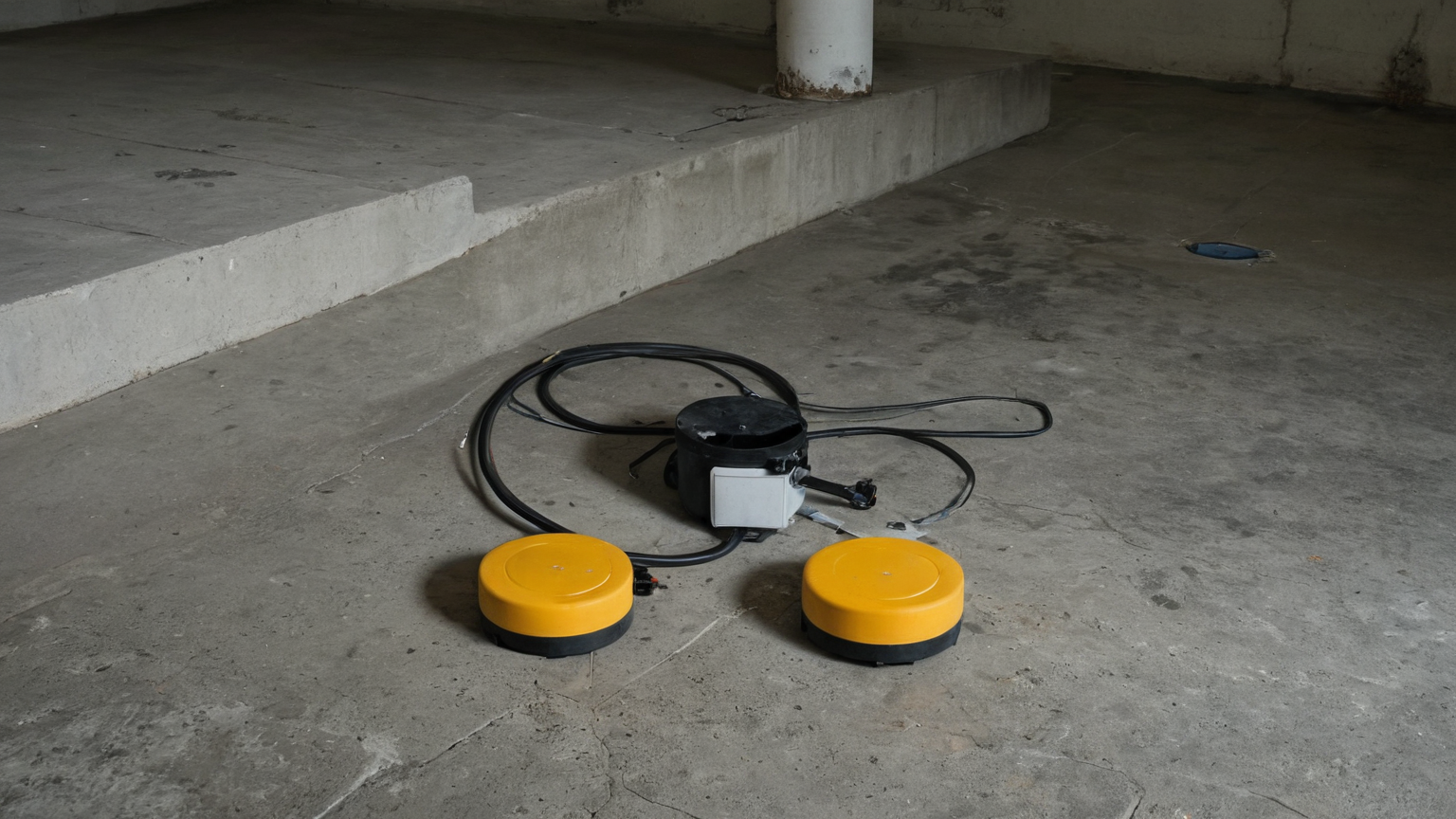
A water alarm or smart sensor should sit where a first inch of trouble would change what someone does: near the sump basin, along a low concrete edge, or by a known seep point. Avoid locations where laundry, boxes, or pets will knock it over. Write the exact location in a house note so a neighbor or family member can find it without opening every cabinet.
Run a monthly dry test without pretending to be a plumber
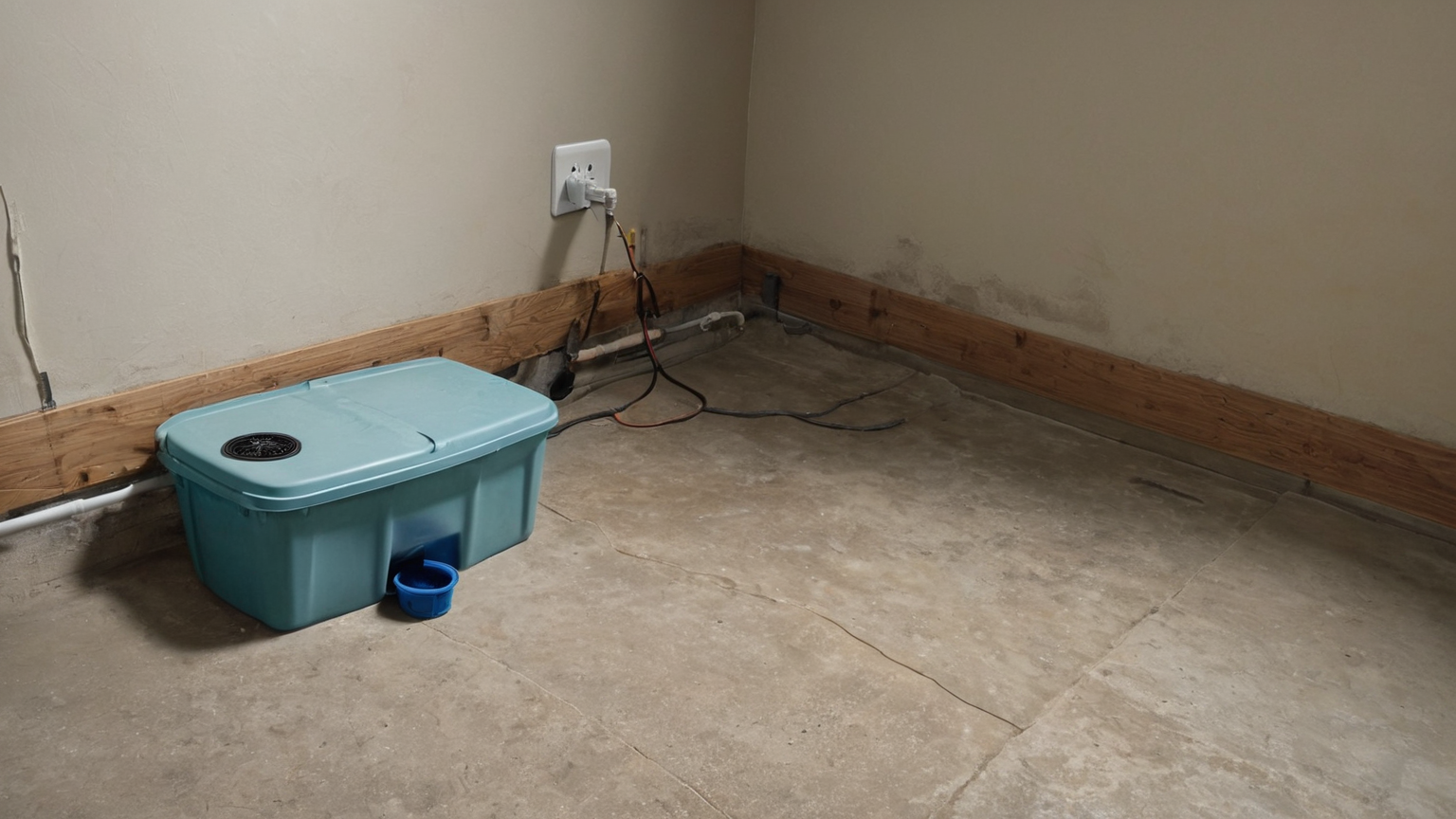
A monthly check can be simple: confirm the device is online, the battery date is known, the basin cover is clear, and the outlet area looks dry. If the pump has a manufacturer-approved test method, follow that documentation. If the setup is unfamiliar, treat it as equipment that deserves a qualified inspection rather than improvising with water and live electricity.
Storm-week checklist
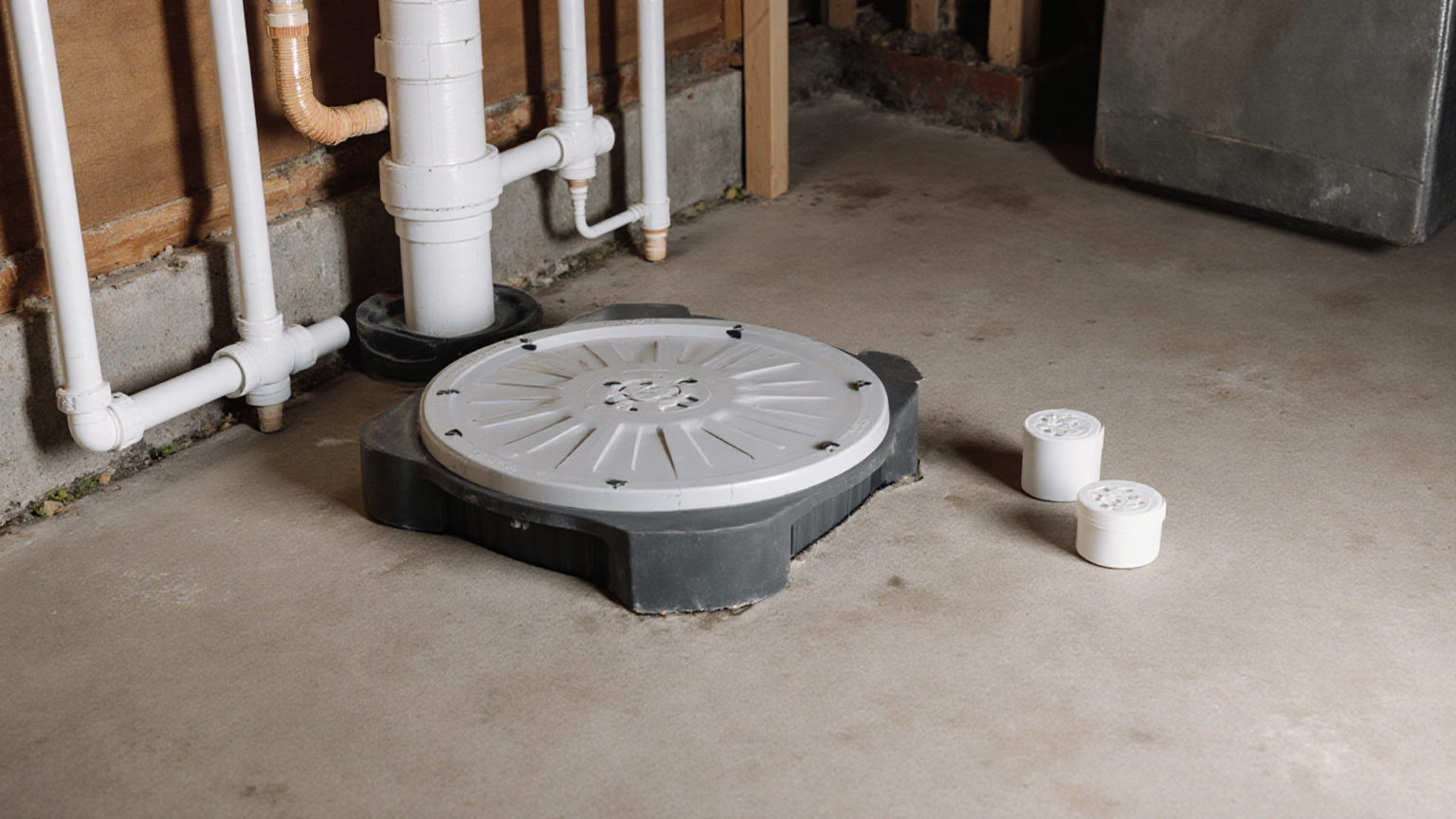
Before a forecasted heavy-rain period, charge phones, check that alerts reach more than one person, clear the walking path, and move absorbent storage off the floor. The goal is not perfect prediction. The goal is to notice a change early enough to avoid a hidden basement problem becoming a whole-house problem.
Reader trust and scope note
This article does not recommend a brand or affiliate product. It gives a safety-first routine, cites official preparedness and electrical-safety sources, and tells readers when to stop and use qualified help.
Practical checklist
- Walk the basement path before rain starts and move boxes, laundry, or cords away from the pump area.
- Confirm the sump basin, outlet, discharge line, and water alarm can be found without moving wet storage.
- Test only by the manufacturer’s safe method; do not handle plugs, extension cords, or power strips on a damp floor.
- Put alert notifications on at least two phones or write a backup call plan for travel days.
- After a storm, record whether the pump cycled often, whether the discharge path stayed clear, and whether a plumber or electrician should inspect anything.
FAQ
Is this a buying guide?
No. It is a basement readiness routine. Buy a smart outlet, water sensor, backup battery, or pump accessory only after the baseline check shows a specific gap that the device can actually close.
Why include official sources?
Because flood cleanup, mold prevention, emergency preparedness, and electrical safety can become harmful when advice is stale or improvised. Official preparedness and safety sources help keep the article focused on conservative next steps rather than gadget claims.
How often should I revisit it?
Use a monthly dry check, then repeat the routine before forecasted heavy rain, long travel, or any basement reorganization. The better test is whether another adult can find the pump area, understand the alert, and know when to stop and call qualified help.
Make the handoff usable during travel
A storm routine often fails because the only person who understands the basement is away. Write a short handoff that names the pump location, the normal alarm sound, the person to call, and the rule for not touching electrical equipment when the floor is wet. Keep it boring and local: “If the water alarm sounds, look from the stairs first, do not unplug anything, call me, then call the plumber if water is rising.” This is more useful than a long smart-home dashboard that another person cannot interpret under stress.
If the house has renters, guests, an elderly relative, or a pet sitter, do not assume they know what a sump pump is. Show the walking path once in dry weather. Point out which objects can be moved and which should not be touched. If the discharge line is outside, show the safe viewing spot without sending someone into wind, lightning, or standing water. The best smart alert is still only a prompt for a safe human decision.
After-storm review
When the rain ends, wait until the area is safe and dry enough to inspect. Check whether the basin cover shifted, whether storage has moved back into the access path, whether the water alarm was knocked out of place, and whether the discharge area looks blocked by debris. If the pump ran repeatedly, made a new sound, smelled hot, tripped power, or failed to keep up, schedule qualified service rather than resetting alerts and hoping the next storm is lighter.
What to write in the basement note
Use plain language and avoid private account details. A useful note can say: pump is in the back-left corner, water alarm sits on the floor beside the basin, spare batteries are in the labeled drawer upstairs, and wet electrical equipment means stop and call for help. Do not write app passwords, Wi-Fi credentials, or alarm account recovery codes on a basement note. The note should help someone make a safe observation, not give broad access to household accounts.
If the basement has more than one possible water source, label them separately: sump basin, floor drain, window well, water heater pan, washer hose, or foundation seep point. During a storm, a helper should not have to guess whether water near the washer is the same problem as water near the pump. Clear labels make the smart alert more useful because they connect the notification to the exact place that needs attention.
When to escalate instead of troubleshooting
Escalate when water reaches an outlet, a breaker trips repeatedly, the pump smells hot, the discharge pipe appears frozen or blocked, the alarm repeats after reset, or the floor remains damp long after the storm. These are not app-notification problems. They are plumbing, drainage, electrical, or cleanup problems. Calling qualified help early is cheaper than treating a basement flood as a normal smart-home nuisance.
Final review before you close the loop
A strong sump-pump article should leave the reader with a safer storm routine, not a vague smart-home shopping list. Before closing this checklist, verify that the pump area is visible, the outlet is dry, the water alarm has a known battery date, the discharge path is not obviously blocked, and the escalation note says who to call if water reaches electricity. If a step does not make the next storm check safer or easier to hand off, remove it or rewrite it as a concrete basement action.