Smart Smoke and CO Alarm Maintenance Map: Safer Testing Without Alert Fatigue
Build a practical smoke and carbon monoxide alarm maintenance map with safe placement checks, testing rhythm, batteries, and escalation rules.
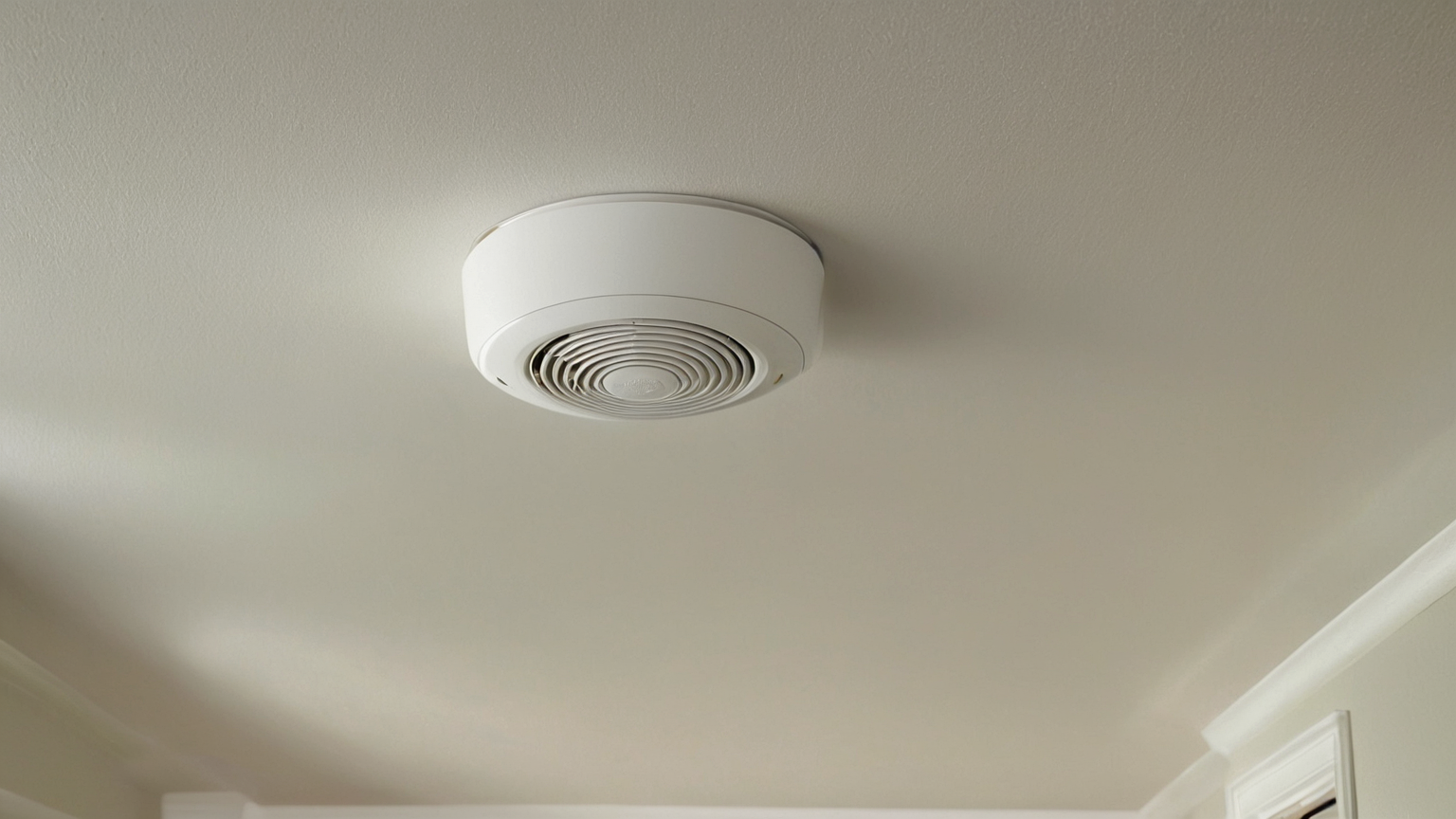
Smart alarms are useful only when the ordinary safety basics are already clear: correct locations, working power, audible alerts, and a household escape response. As of June 2026, public fire and carbon monoxide guidance still emphasizes installed working alarms and immediate evacuation over app dashboards. This guide turns that guidance into a maintenance map for households that want smart notifications without ignoring the alarm itself.
Quick decision table
| If this is your situation | Best first move | Risk to avoid | Proof to keep |
|---|---|---|---|
| You are starting from confusion | Observe the space or routine for one normal week | Buying a device or organizer before knowing the failure point | Photos, notes, simple measurements |
| Safety or policy could be involved | Check official guidance, manuals, lease, or course rules first | Treating a hack as permission | Source URL, date checked, model/course details |
| The setup works but wastes time | Change one variable and compare before/after | Rebuilding everything at once | A short error log and the result |
| Someone else shares the space | Make the rule visible and easy to reverse | Hidden changes nobody understands | A simple checklist and rollback step |
Map rooms before pairing devices
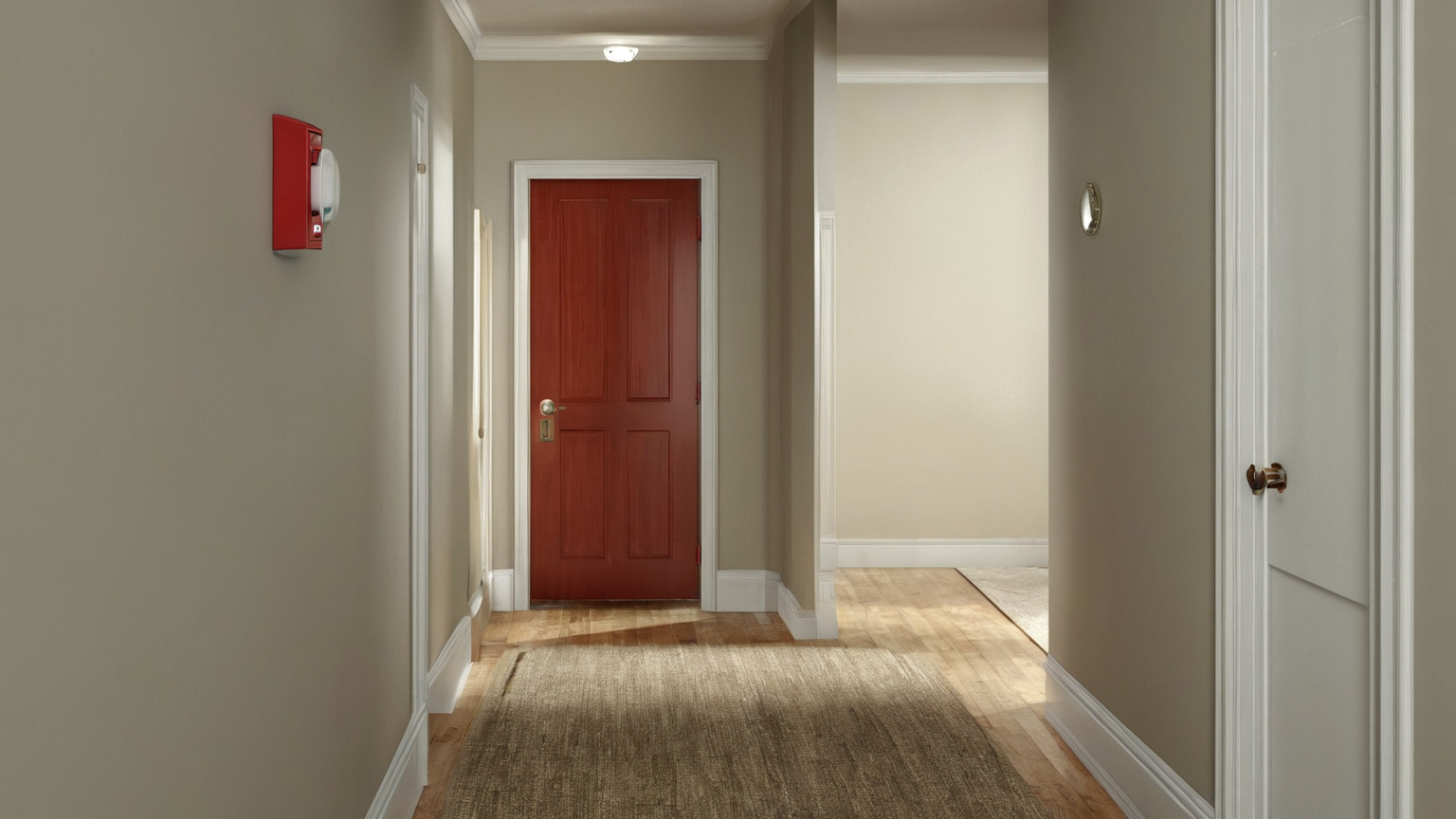
Draw a simple floor list: sleeping areas, hallways, fuel-burning appliance zones, attached garage boundaries, and rooms where doors are often closed. Compare the map with the alarm manufacturer instructions and local code. Smart features can supplement the map, but they do not fix a missing alarm, dead battery, blocked sound path, or device past its replacement date.
Separate test alerts from emergency alerts
Alert fatigue happens when every chirp becomes background noise. Make a household rule: scheduled tests are announced first, nuisance chirps are investigated, and emergency alarms mean leave first and troubleshoot later. If an alarm reports carbon monoxide, do not open an app to debate the reading while people remain inside.
Document power, age, and ownership
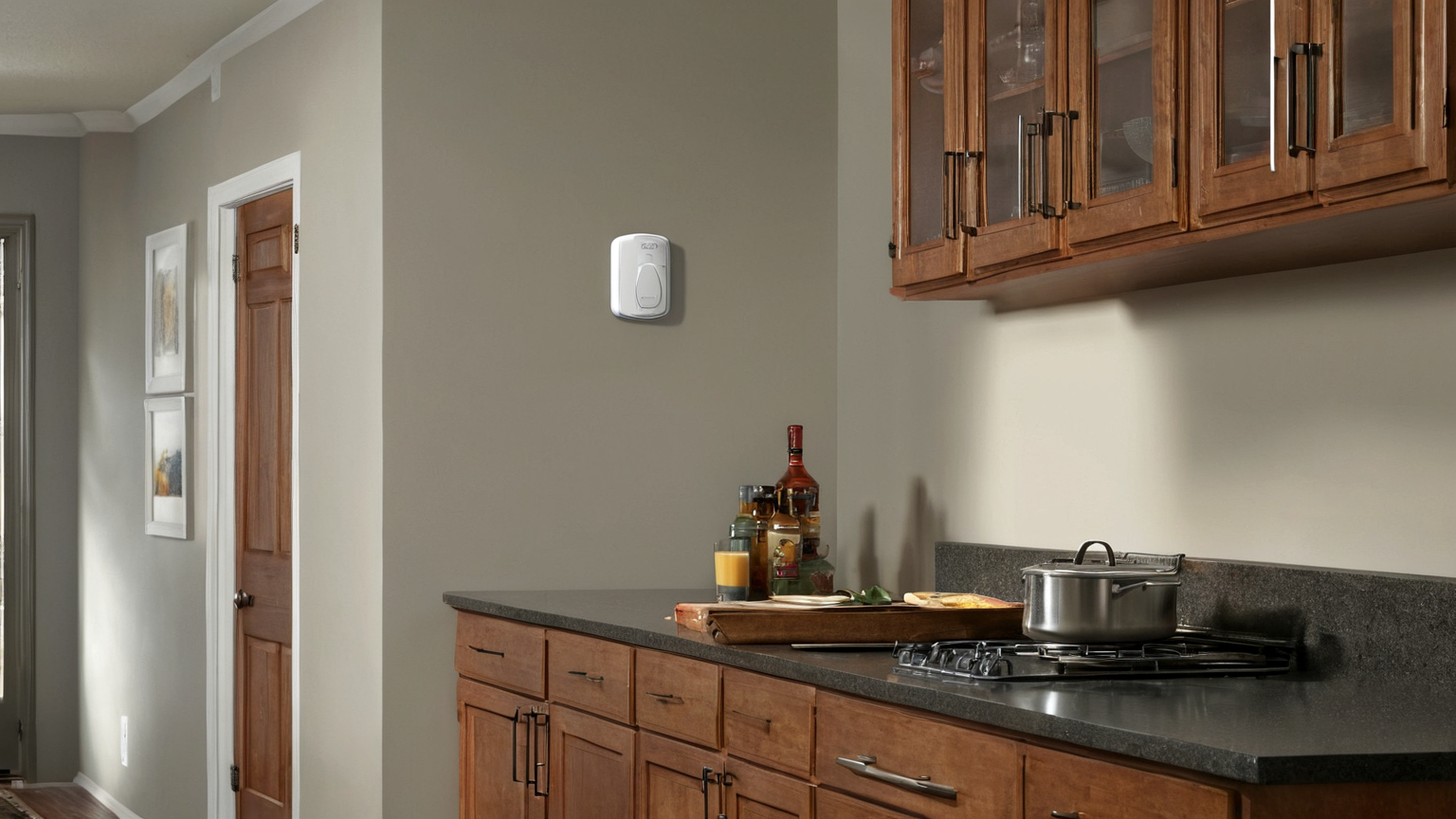
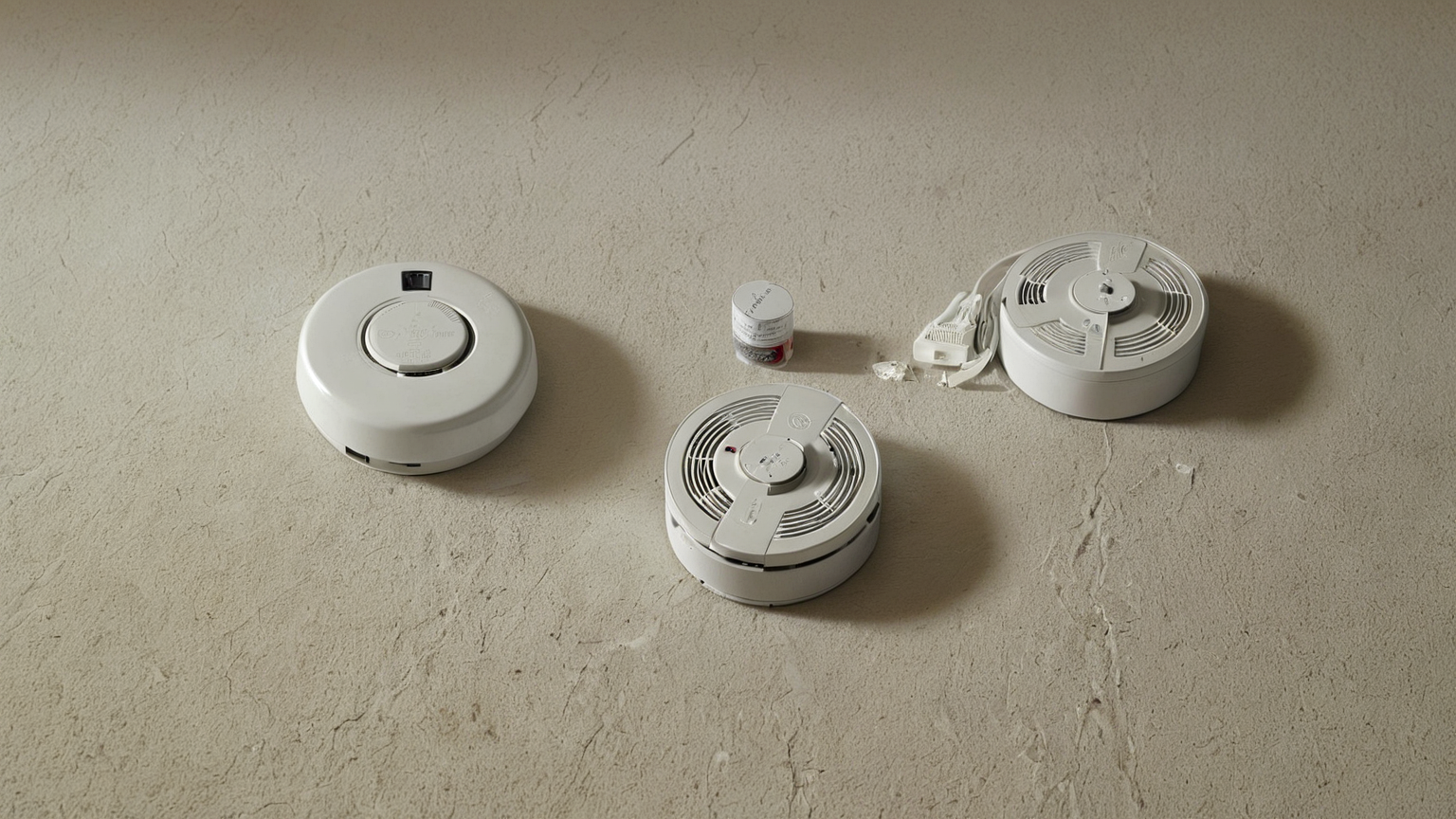
Write down which alarms are hardwired, battery powered, interconnected, landlord-owned, or homeowner-owned. Include installation or replacement dates if known. Tenants should document concerns and ask the landlord or responsible authority before modifying fixed equipment. Homeowners should follow the device manual and local requirements.

Keep smart automation conservative
Smart speakers, phone alerts, and automations are backup signals. Do not create routines that silence alarms automatically, depend on Wi-Fi before people can respond, or hide the source device. The best automation is a maintenance reminder and a clear notification to check a specific zone after everyone is safe.
Practice the response, not only the test button
A monthly test proves sound, not decision-making. Pick a low-stress time to review exit paths, meeting point, pets, mobility needs, and who calls emergency services. Keep the plan short enough to remember at night.
Before you call it done
- The change solves the original problem, not a prettier but unrelated problem.
- It keeps exits, vents, cords, heat sources, appliance clearances, and walking paths safe.
- It is reversible or documented if you rent, share space, or need approval.
- Any alert, checklist, or automation has a person responsible for responding.
- Current official sources were checked as of June 2026, and local rules, manuals, school policies, and professional advice still override general guidance.
Troubleshooting
| Symptom | Likely cause | Safer next step |
|---|---|---|
| The plan is too complicated to repeat | Too many rules were added at once | Keep the one rule that prevents the biggest failure |
| A device reading or app result looks surprising | One-off conditions or bad placement may be distorting the result | Recheck placement, timing, and source guidance before acting |
| Other people ignore the system | The benefit is not visible to them | Make the next action obvious and remove nonessential steps |
FAQ
Is this a product recommendation?
No. It is a decision and setup workflow. Products can help only after the risk and use case are clear.
How current is it?
The linked sources were checked during the June 2026 workflow. Recheck official pages when rules, models, leases, health advice, or course policies change.
What is the safest default?
Choose reversible changes, document them, and escalate electrical, heat, food-safety, building, health, or academic-integrity questions to a qualified person.