Smart Plug Energy Monitoring 2026: Find Standby Loads Without Guesswork
A practical smart-plug energy-monitoring workflow for finding standby loads, testing appliances safely, estimating annual cost, and avoiding false savings claims.
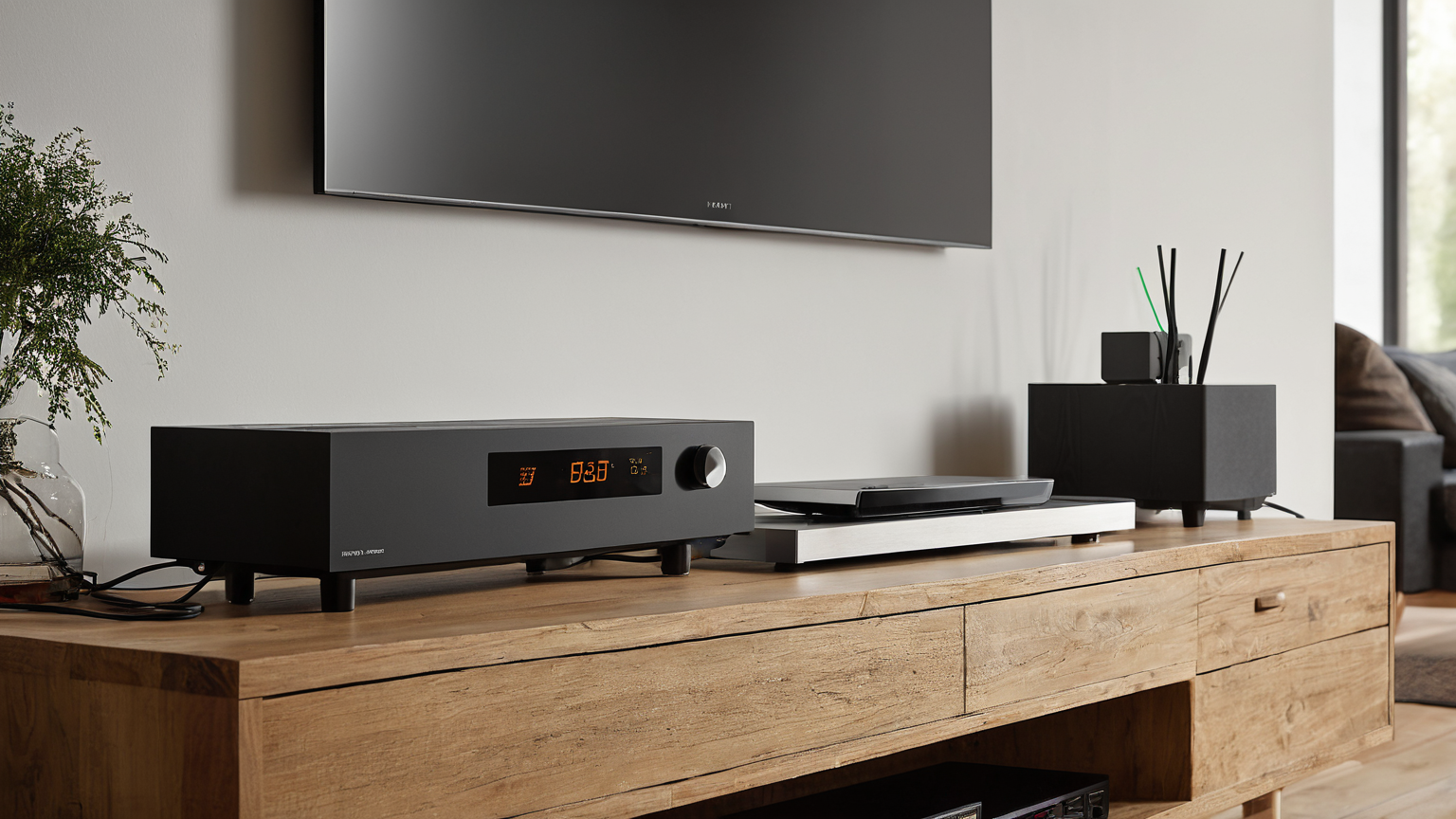
A smart plug with energy monitoring can be a useful home-energy tool, but only if you treat it like a measuring instrument rather than a magic savings device. Standby power is real: electronics, chargers, network gear, and small appliances can draw power even when they look off. The mistake is assuming every watt is waste. Routers, medical devices, refrigerators, security hubs, and scheduled appliances may need continuous power. This guide uses current DOE, CISA, and NIST resources checked in May 2026 and turns them into a safe, practical audit.
Start with a no-shame inventory
Walk room by room and list devices that stay plugged in all week. Do not start by unplugging things. First separate them into three groups: always-on by design, optional standby, and unknown. Always-on devices include routers, hubs, refrigerators, sump pumps, medical equipment, and security systems. Optional standby includes lamps with smart bulbs, guest-room TVs, printers, speakers, coffee makers, and chargers. Unknown devices are the reason to measure.
Measure long enough to catch real behavior
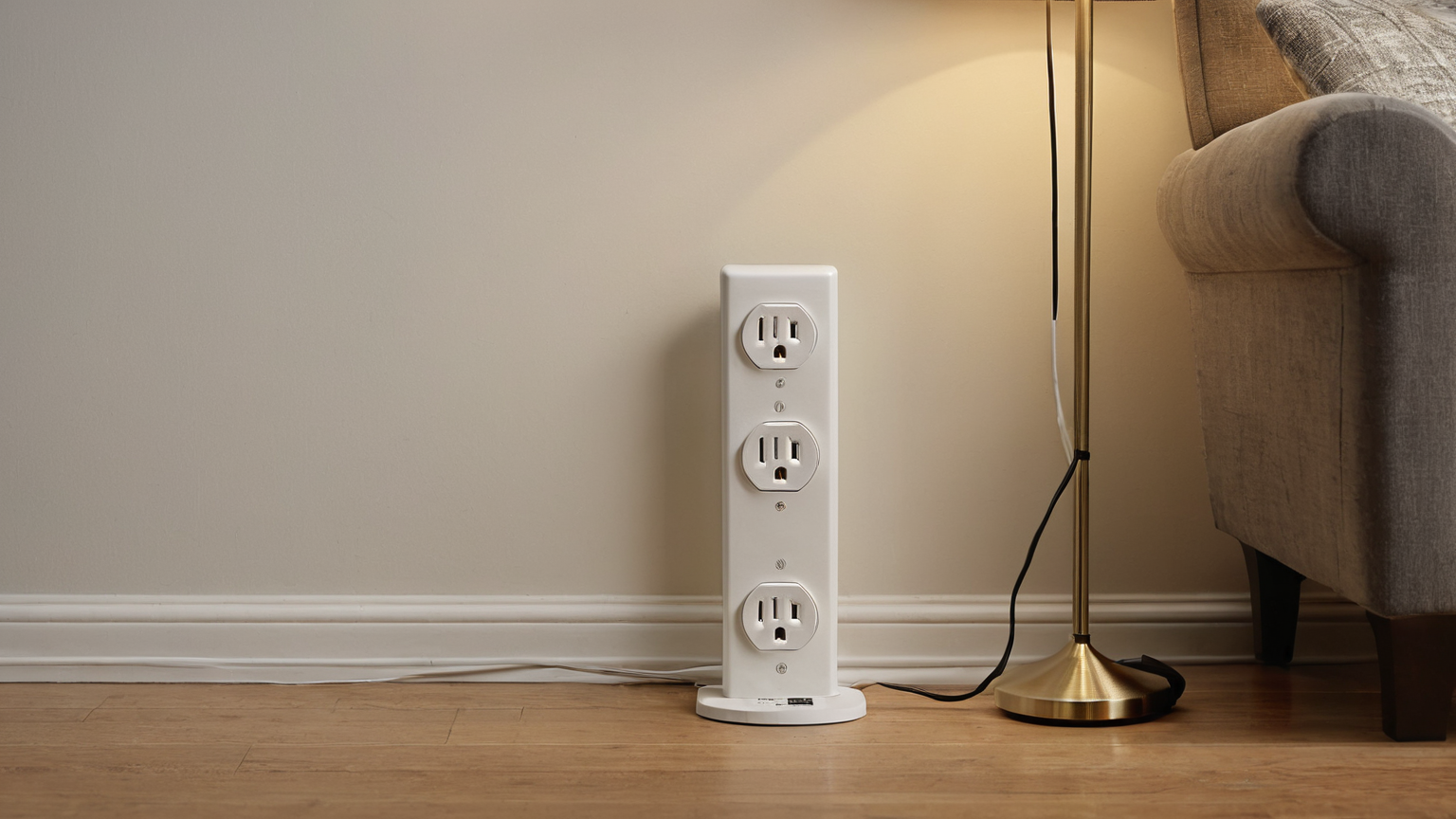
A one-minute reading is not enough for many devices. Some electronics wake, update, heat briefly, charge batteries, or enter deeper sleep after a delay. For simple devices such as a lamp or charger, a 15-minute observation may be enough. For printers, entertainment centers, routers, and kitchen appliances, measure for 24 hours if you can.
| Device type | Minimum useful test | What to watch for | Do not test with a plug if |
|---|---|---|---|
| Phone charger | 15–30 minutes | Idle draw after phone is removed | The charger is damaged or hot |
| Printer | 24 hours | Wake cycles and network sleep | It is shared for critical work |
| Entertainment center | 24 hours | TV, console, speaker standby | A DVR or alarm depends on it |
| Coffee maker | 2–24 hours | Clock, warmer, scheduled brew | It controls safety-critical heat |
| Router or hub | Observe only | Baseline power, not savings target | It runs network, locks, or alerts |
Convert watts into annual cost honestly
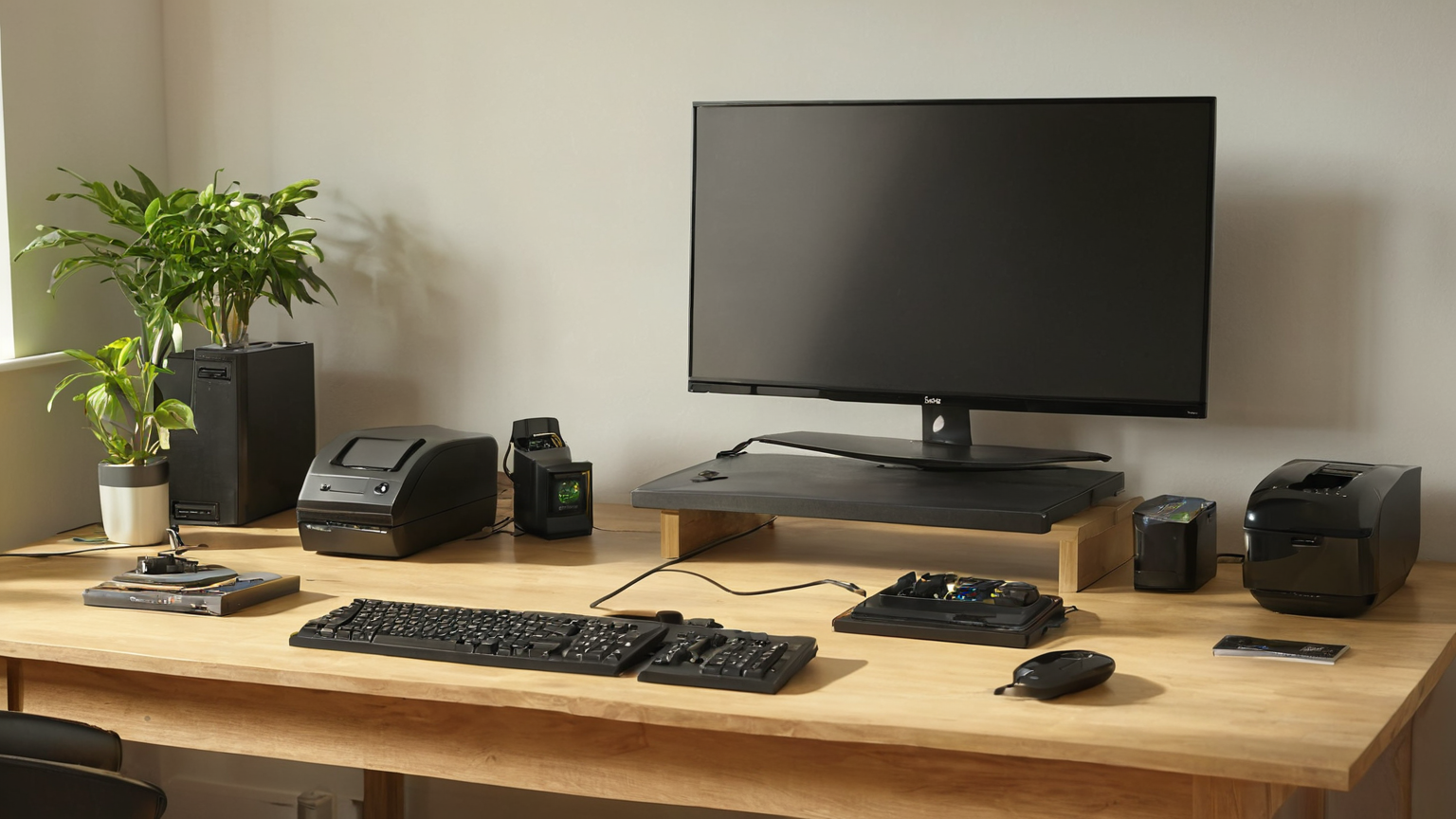
Use this formula: watts × hours per day × 365 ÷ 1000 × your electricity rate. A device drawing 4 watts all day uses about 35 kWh per year. Whether that is worth changing depends on your local rate, inconvenience, and reliability risk. A tiny standby load may not justify breaking automations or wearing out a hard-to-reach outlet.
Avoid unsafe and misleading tests
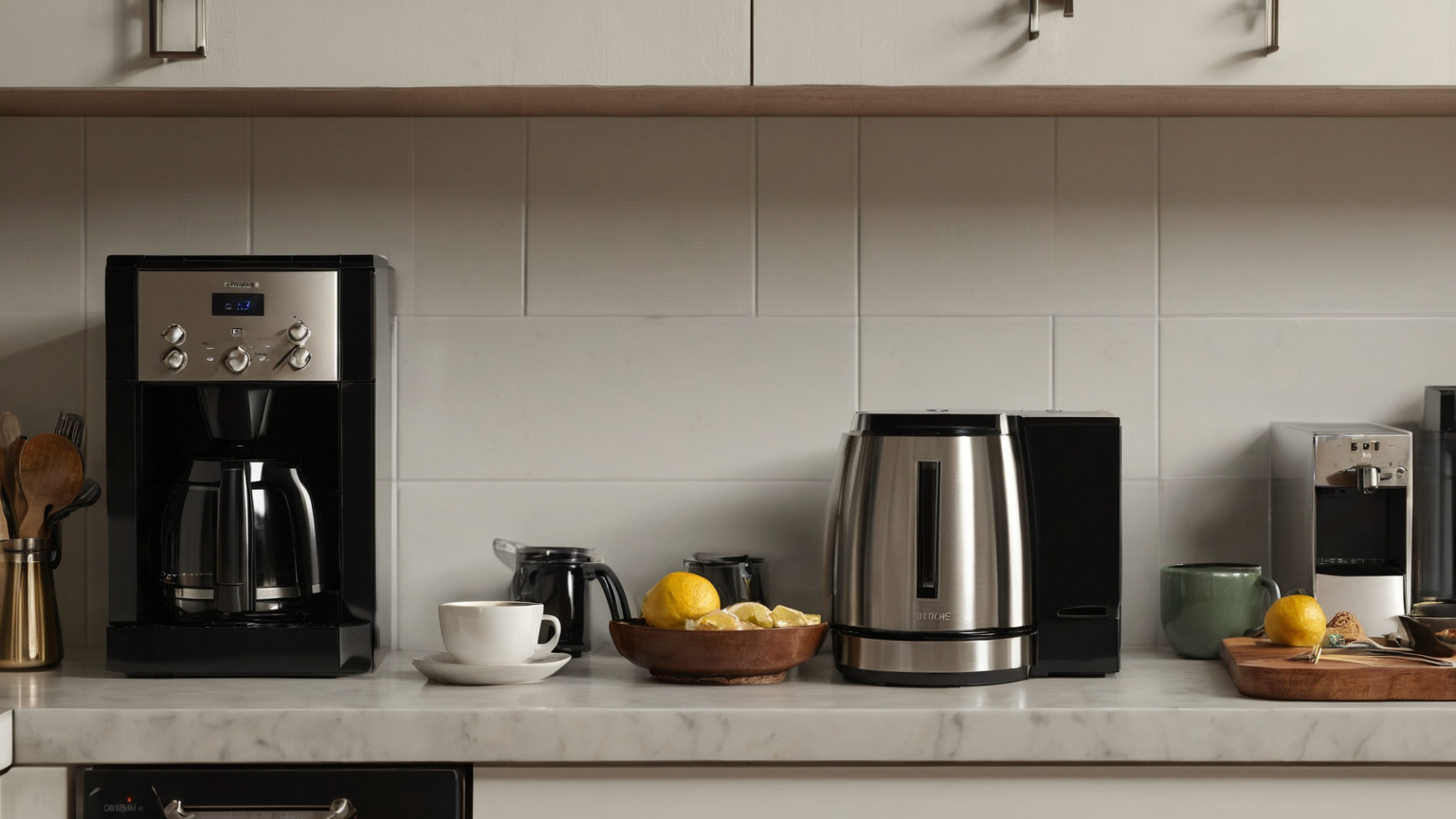
Use smart plugs within their rated current and only with compatible loads. Do not use a random plug to control space heaters, large motors, refrigerators, medical equipment, sump pumps, or anything the manufacturer excludes. If a plug feels warm, buzzes, or resets, stop using it. Energy monitoring is not worth adding a weak link to a safety-critical circuit.
The decision tree
- Is the device safety-critical, network-critical, or required for alerts? Do not automate shutoff.
- Does it draw less than one watt? Usually leave it alone unless convenience is high.
- Does it draw several watts for no useful reason? Consider a switched strip, schedule, or manual habit.
- Does shutoff break clocks, updates, or settings? Keep it powered or choose a different target.
- Can the same savings come from settings? Enable sleep mode before buying more hardware.
Security and privacy checklist
Smart plugs join your home network, so basic IoT hygiene matters. Use reputable firmware, update the app, avoid reused passwords, and keep guest or IoT network segmentation in mind if your router supports it. Do not give a plug more access than it needs, and do not install cloud devices where a missed command could create a hazard.
Bottom line
The best smart-plug energy audit is boring: measure, calculate, decide, and leave critical devices alone. One or two high-idle devices can be worth changing; dozens of tiny loads may be better handled by habits, settings, or not at all.