Smart Dehumidifier Basement Plan: Humidity Targets, Drains, and Alerts
A practical 2026 guide to smart dehumidifier placement, humidity targets, drain safety, mold prevention, and alert routines without over-automating.
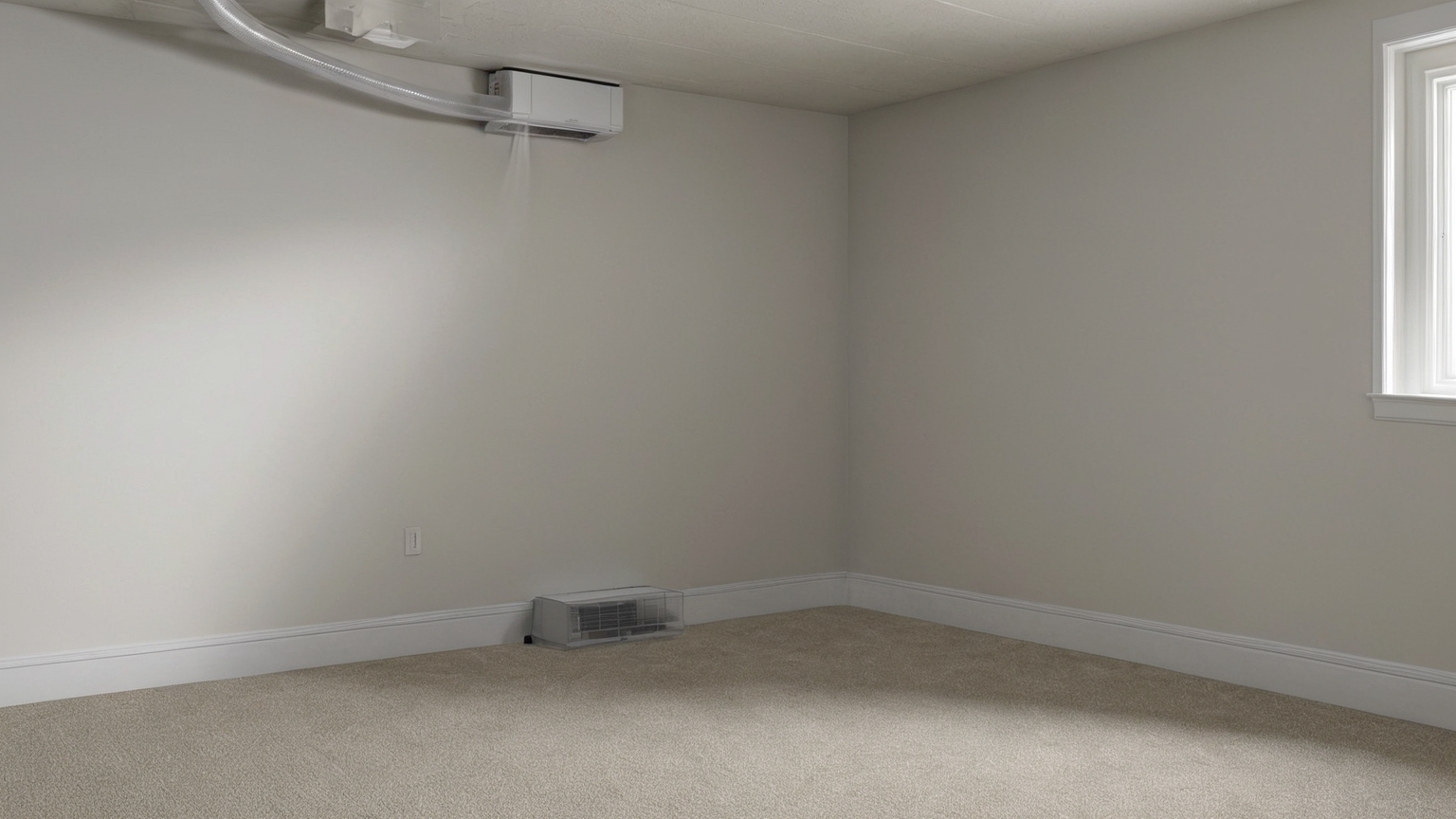
Basement humidity problems are easy to automate badly. A smart dehumidifier can send alerts, resume after power loss, and track trends, but it cannot fix a leaking wall, unsafe outlet, blocked drain, or hidden mold source. As of June 2026, use the device as one part of a moisture-control routine: measure first, place safely, drain predictably, and escalate when moisture is structural rather than seasonal.
Start with a moisture map
Walk the basement after rain and on a dry day. Mark cold corners, stored cardboard, musty shelves, floor drains, sump areas, exterior walls, and the nearest grounded outlet. The goal is to understand where moisture appears before placing a machine in the most convenient but least useful corner.
| Area to check | Useful evidence | Device action | Stop-and-escalate sign |
|---|---|---|---|
| Exterior wall | Damp line after rain | Monitor trend | Active seepage |
| Stored items | Musty cardboard | Move off floor | Visible mold spread |
| Drain path | Clear hose slope | Continuous drain | Hose kink or overflow |
| Outlet | Dry, accessible location | Plug directly per manual | Heat, discoloration, extension-cord dependence |
Pick a humidity target you can explain
A household target should be practical, not obsessive. Track whether the room feels drier, odors reduce, and condensation stops. If the unit runs constantly without improvement, that is evidence of air leakage, water entry, wrong capacity, or a blocked airflow path—not proof that you need another gadget.
Keep the drain boring
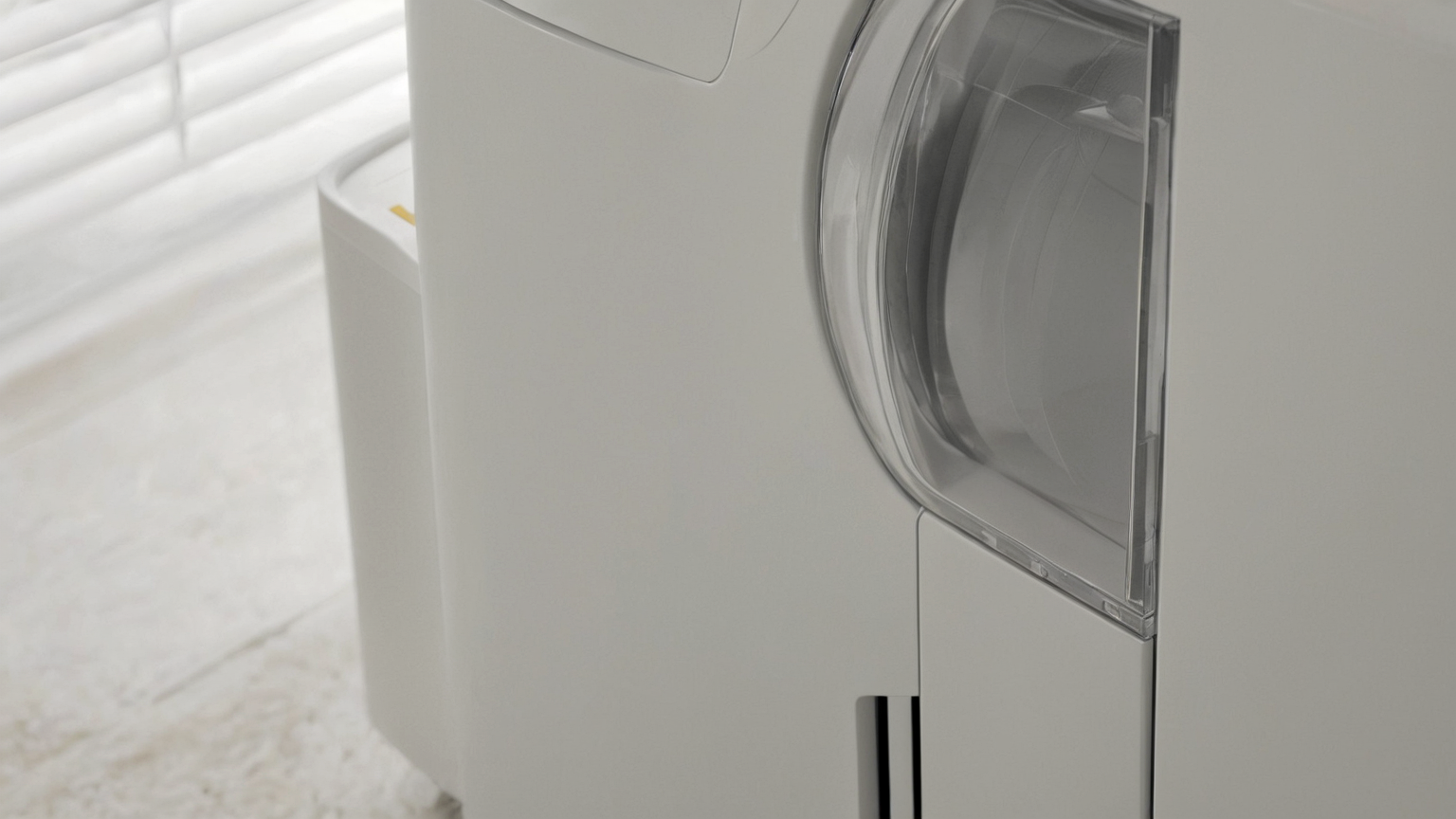
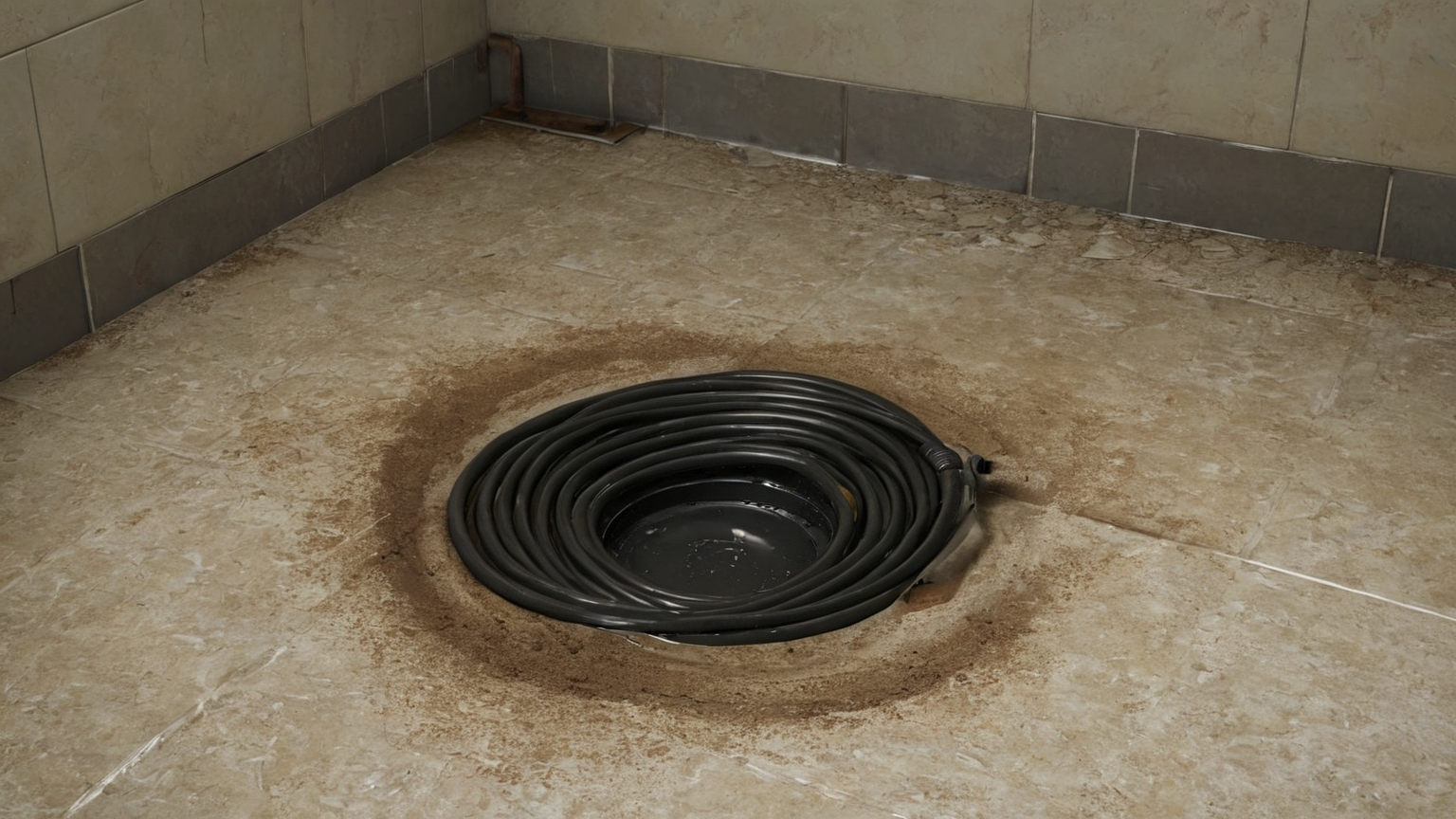
Continuous drain setups fail when hoses sag, buckets overflow, pumps lose power, or a path crosses a walkway. Photograph the hose slope and keep it away from cords. If you rent, do not drill, alter plumbing, or hide a leak; document the condition and ask the responsible party.
Alerts that prevent damage, not alert fatigue
Use only a few alerts: high humidity for several hours, bucket full, power loss, and unusual runtime. A single humid afternoon should not trigger panic; a rising trend after rain or a repeated bucket overflow deserves action.
Seven-day setup checklist
Day one maps moisture. Day two clears airflow. Day three tests the bucket. Day four tests the drain. Day five reviews humidity logs. Day six checks stored items. Day seven writes the escalation note: what happened, where, when, and what evidence you have.
Mistakes that weaken the plan
| Mistake | Why it fails | Better default |
|---|---|---|
| Hiding the unit behind boxes | Blocks airflow and hides leaks | Keep clearance visible |
| Running through extension cords | Adds electrical risk | Use a proper outlet per manual |
| Ignoring rain patterns | Misses structural moisture | Compare logs to weather |
| Treating odor with fragrance | Masks moisture evidence | Find and remove damp materials |
A helpful smart-home setup reduces uncertainty. It does not replace mold cleanup guidance, electrical safety, building repair, or lease responsibilities.