Robot Mops 2026 — iRobot Braava vs Roborock S8 vs Eufy Combo Compared
Dry vibration vs wet pad vs dual vacuum-mop technologies compared with smart navigation, water tank capacity, and floor-type compatibility across iRobot, Roborock, and Eufy robot mops.
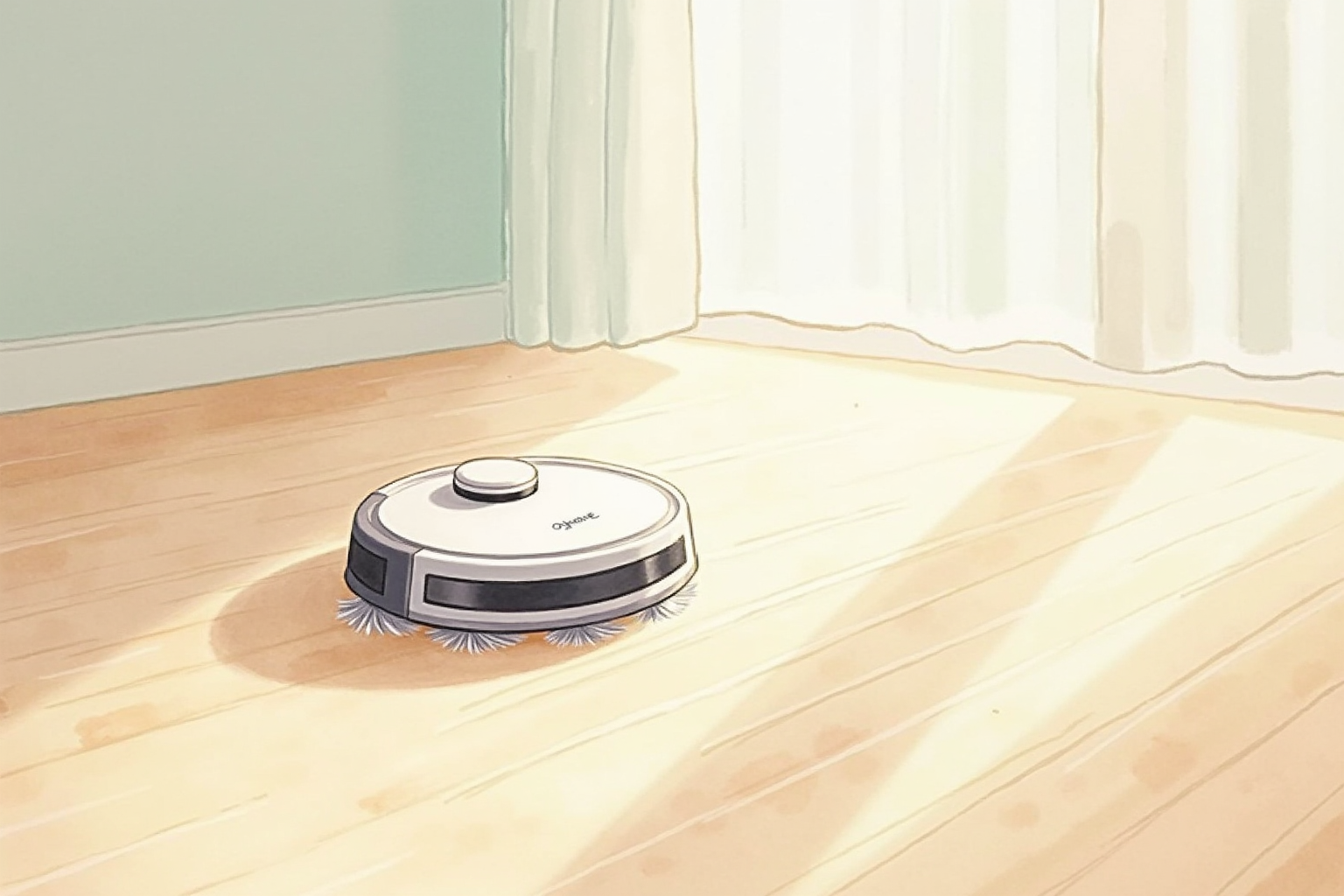
The robot mop category has matured significantly in the last few years. Early models were essentially expensive Swiffer pads on wheels — they moved randomly, used too much water on hardwood, and disappointed buyers who expected manual-mopping results. Recent models use the same LiDAR navigation and intelligent path planning that robot vacuums perfected, combined with rotating mop pads or dual-action vibrating systems that deliver real cleaning rather than the wet-swipe of earlier designs.
This article compares the three brands with mature robot mop product lines — iRobot Braava (dedicated mops), Roborock (premium 2-in-1 vacuum-mop), and Eufy (mid-tier 2-in-1 vacuum-mop) — on the criteria that determine whether the robot is genuinely useful: navigation quality, water management for hardwood safety, and the configuration that fits your floor types.
- Dedicated mop vs 2-in-1 vacuum-mop — which fits your home
- Water management and hardwood floor safety
- Smart navigation vs random-pattern robots
- Mop pad systems and ongoing costs
- Top picks by floor mix and budget
Three robot mop configurations
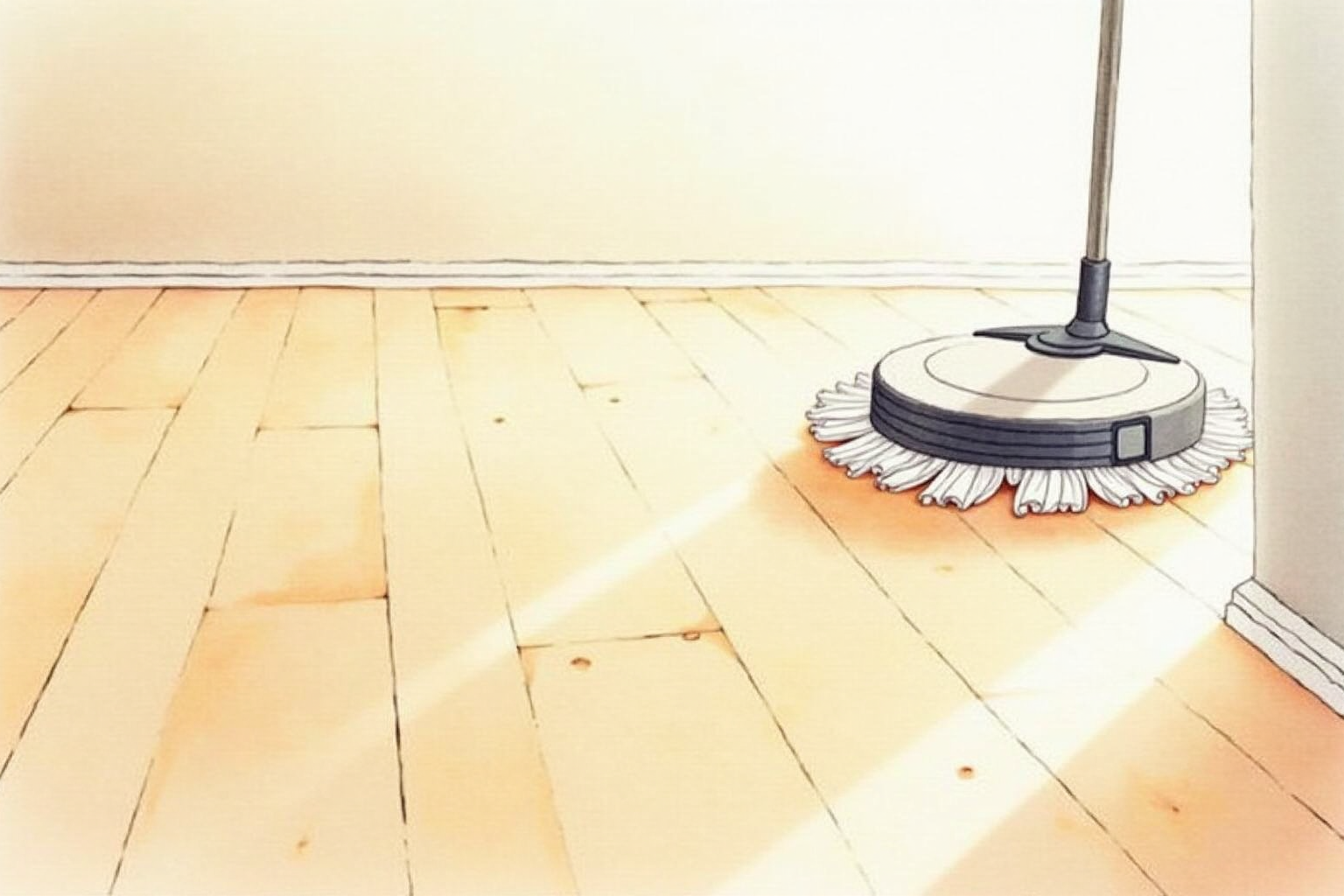
The robot mop market divides into three product types:
Dedicated robot mops (iRobot Braava Jet). Mopping-only robots without vacuum function. Designed primarily for hardwood, tile, and sealed laminate. The advantage: optimized water management and pad design specifically for floor types where wet mopping risks damage. The trade-off: useless on carpet, and you still need a separate vacuum.
2-in-1 vacuum-mop robots (Roborock S8, Eufy X10, recent Roomba j7+). Combine both functions in one robot. Carpet sensors lift or retract the mop pad on carpet. Best for mixed-flooring homes where switching robots is inconvenient. Trade-off: jack-of-both-trades; specialist dedicated robots can outperform on their respective tasks.
Coordinated separate robots (Roomba + Braava with Imprint Link). Two robots that communicate — the vacuum runs first, then the mop runs after vacuum completes. Best total performance but costs and storage space for two robots.
For most U.S. households with mixed flooring (carpet, hardwood, tile), the 2-in-1 configuration is the practical choice. Hardwood-only homes can consider a dedicated mop. Two-robot setups suit larger homes where the optimization is worth the cost.
Water management for hardwood safety
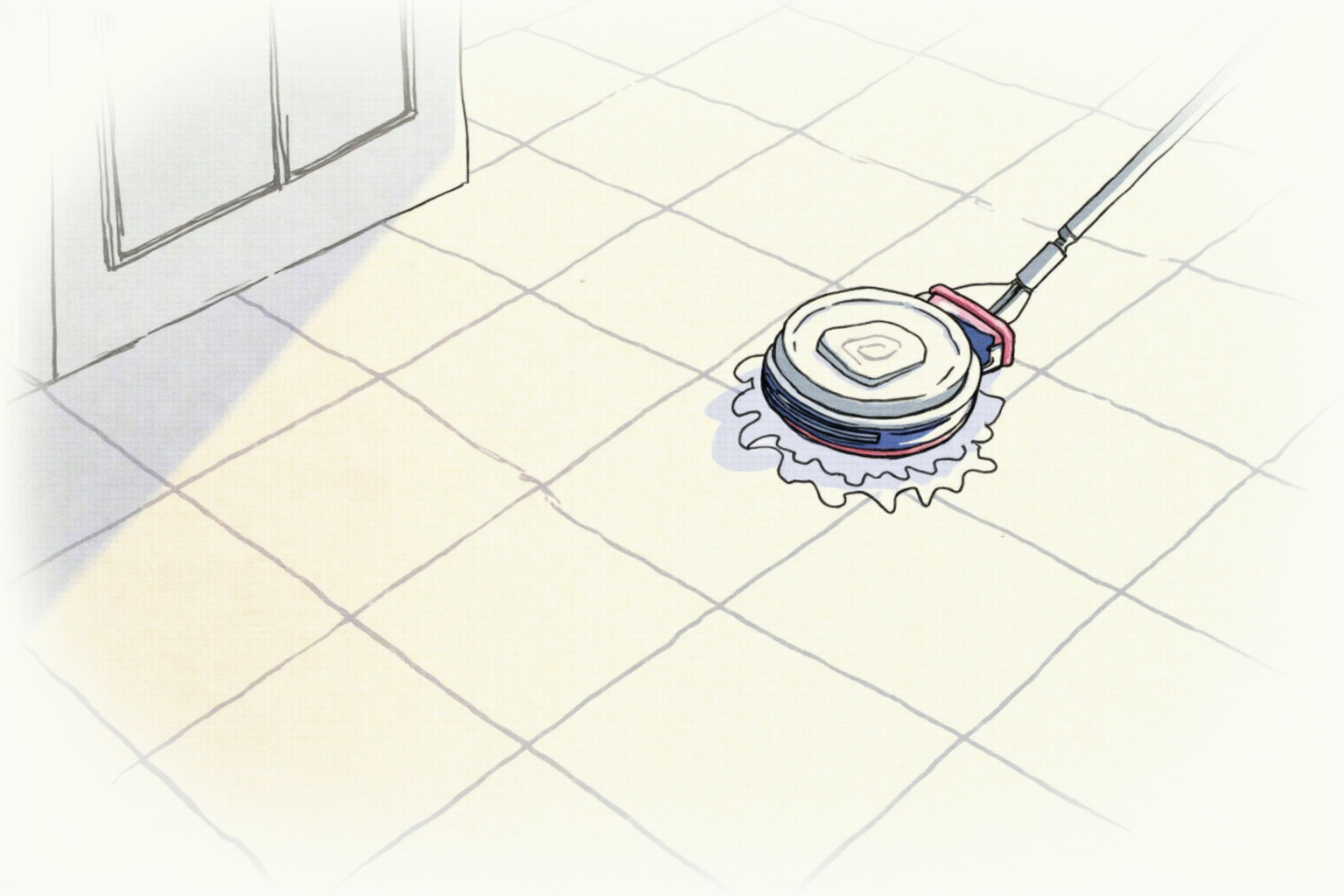
Water and hardwood do not mix well. Excess water seeps into seams, swells the wood, and over time can cause cupping and warping. The National Wood Flooring Association recommends damp-mopping only — never wet-mopping — for sealed hardwood floors.
How different robots handle water:
iRobot Braava Jet uses precision-spray pre-misting. A small front nozzle sprays a thin mist of water just ahead of the mop pad. The pad picks up the moisture before it can pool. Among consumer robot mops, this is one of the safer designs for hardwood.
Roborock S8 Pro Ultra uses a constant-saturation pad that maintains a damp (not wet) condition through capillary action. The pad stays moist but does not drip. Safe for sealed hardwood in moderate use.
Eufy Clean X10 Pro Omni uses a rotating disc system with controlled water delivery. The discs apply pressure and rotate against the floor — a more aggressive cleaning action than passive pads. Better on stuck-on stains, slightly higher water use than Braava’s pre-spray.
For unsealed or waxed hardwood, do not use any robot mop. The water exposure risks damaging the finish. For sealed hardwood, all three designs are generally safe with manufacturer-recommended settings.
Smart navigation matters more than mop technology
The biggest jump in robot mop quality has been navigation. Random-pattern robots (no mapping, no path planning) miss spots, double-cover others, and take 2-3x longer than smart-navigation robots for the same area.
Premium robots (Roborock S8, Eufy X10, Roomba j7+) use LiDAR or vSLAM for systematic room-by-room cleaning. They build maps over the first 1-2 runs, then clean efficiently in subsequent runs. Specific rooms can be targeted, no-go zones drawn around carpets or pet bowls, and progress can be monitored from the app.
Budget robots without smart navigation are not a meaningful upgrade from manual mopping. The time saved by automation is canceled by the inefficient coverage. Stick with smart-navigation models above the $300-400 tier.
Self-empty and self-cleaning stations
Top-tier robot mops include docking stations that handle the recurring chores:
- Self-empty dust bin — vacuum collected debris empties to the dock’s bag (typical 30-60 day capacity).
- Self-wash mop pads — dock cleans the dirty mop pads after each session.
- Auto-refill water tank — dock refills the robot’s water tank from a larger dock tank.
These add significantly to robot cost but eliminate the chore loop. For households running the robot 5-7 times per week, the dock pays back in convenience. For occasional cleaning, the basic-dock version is adequate.
Top picks by configuration
Roborock S8 Pro Ultra
Price · $1,200-1,600 — premium 2-in-1 with self-cleaning dock
+ Pros
- · LiDAR navigation with multi-floor mapping
- · Self-emptying dustbin, self-washing mop pads, auto-refill water
- · Strong app, customizable cleaning routines
− Cons
- · Premium price reflects the full-feature dock
- · Larger physical footprint for the dock vs basic robot stations
Paid affiliate link. Price, availability, and ratings can change; verify details on the retailer page before buying.
Eufy Clean X10 Pro Omni
Price · $700-900 — value premium 2-in-1 pick
+ Pros
- · Self-cleaning station at a lower price point than Roborock
- · Rotating mop discs provide more aggressive cleaning action
- · Carpet detection lifts mop pads automatically
− Cons
- · App less polished than Roborock alternatives
- · Slightly higher water use on hardwood — verify settings
Paid affiliate link. Price, availability, and ratings can change; verify details on the retailer page before buying.
iRobot Braava Jet m6
Price · $400-550 — dedicated mop for hardwood-focused homes
+ Pros
- · Precision pre-spray is safer for hardwood than wet-pad designs
- · Pairs with Roomba via Imprint Link for coordinated cleaning
- · iRobot brand reliability and long-term firmware support
− Cons
- · Dedicated mop — useless on carpet
- · Pad replacement cost adds up over time (disposable pad system)
Paid affiliate link. Price, availability, and ratings can change; verify details on the retailer page before buying.
The buyer’s path
For most households with mixed flooring, the Roborock S8 Pro Ultra is the strongest combination of navigation, cleaning performance, and dock automation. The premium price reflects the genuinely useful self-cleaning dock. Households with carpet-heavy layouts (60%+ carpet) get less use from the mop function and may be better served by a vacuum-only robot.
For hardwood-only or hardwood-dominant homes, the Braava Jet m6 is the safer mop pick. Pair with a separate Roomba (or any other vacuum-only robot) for the full coverage; the two robots coordinate through Imprint Link if you want their schedules to interlock.
The Eufy X10 Pro Omni is the right pick when you want the self-cleaning dock features at a lower price than Roborock. Trade-offs: app less polished, water use slightly higher. Worth the savings if you tolerate the trade-offs.
Avoid robot mops under $200 — they are typically the random-pattern designs that take too long and miss too much. The category sweet spot is the $500-900 range where smart navigation and reliable water management both exist.
The robot mop is best treated as maintenance cleaning between manual deep cleans. Set realistic expectations and the daily-cleaning convenience compounds over months of ownership; expect manual-mopping results and the robot will disappoint.