Smart Humidity Sensor Placement 2026: Prevent Damp Rooms Without False Alarms
Where to place smart humidity sensors, how to set useful alerts, and how to respond to damp-room readings without overreacting or hiding a moisture problem.
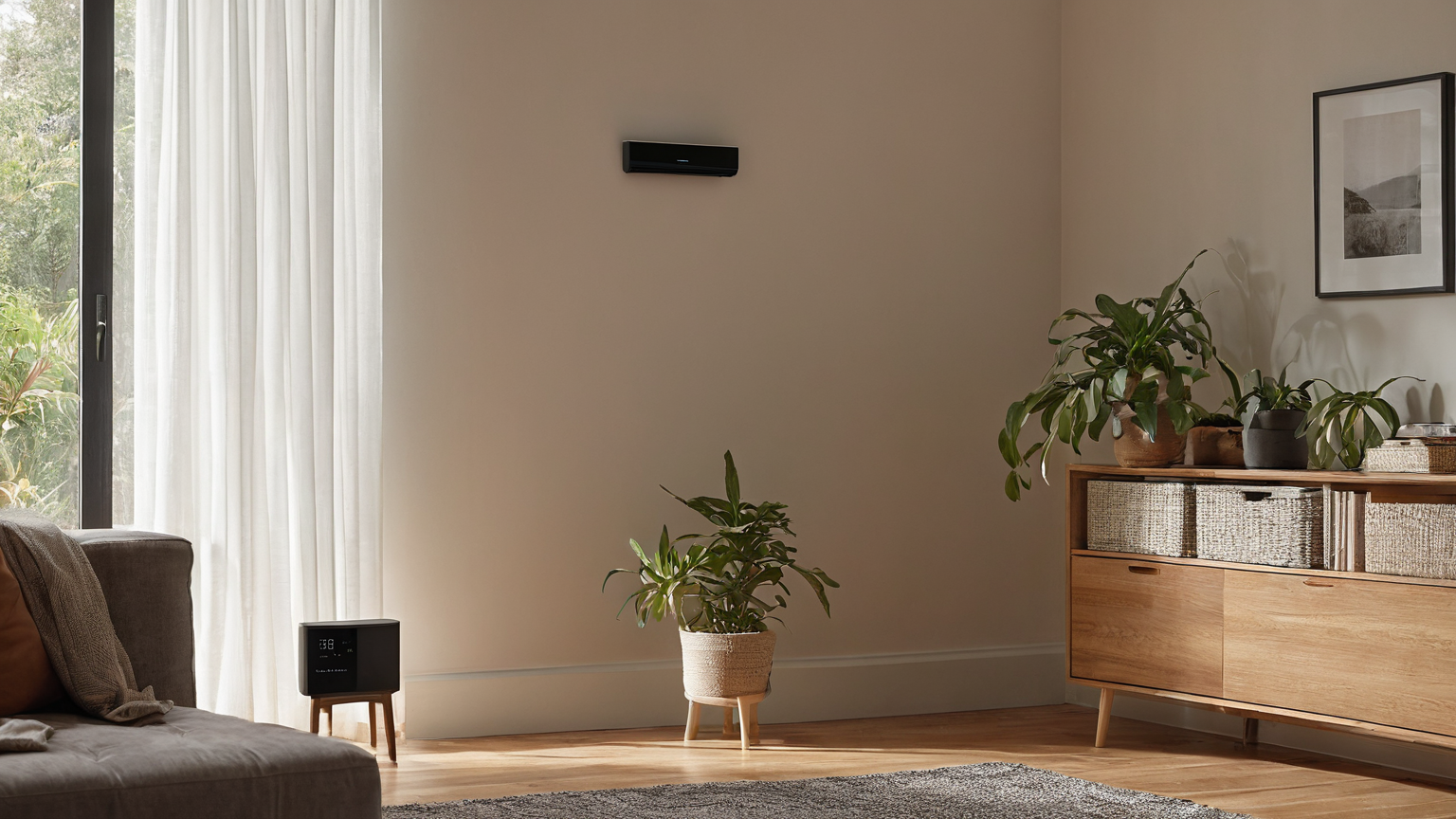
A smart humidity sensor is useful only when it measures the room you actually care about. Put it beside a shower, over a kettle, in direct sun, or behind a curtain and the alerts will teach you the wrong lesson. Put one in the right place and it becomes an early-warning system for damp rooms, ventilation habits, and comfort problems. This guide uses EPA indoor-air and mold guidance plus DOE home-control context checked in May 2026; it is not a substitute for fixing leaks, drainage, or building defects.
Start with the room story
Before pairing devices, write down what you are trying to detect: shower humidity that lingers, a basement that smells musty after rain, a bedroom that feels clammy at night, or kitchen steam that triggers nuisance alerts. One sensor cannot explain the whole home. Treat each sensor as a witness for one room, not a final diagnosis.
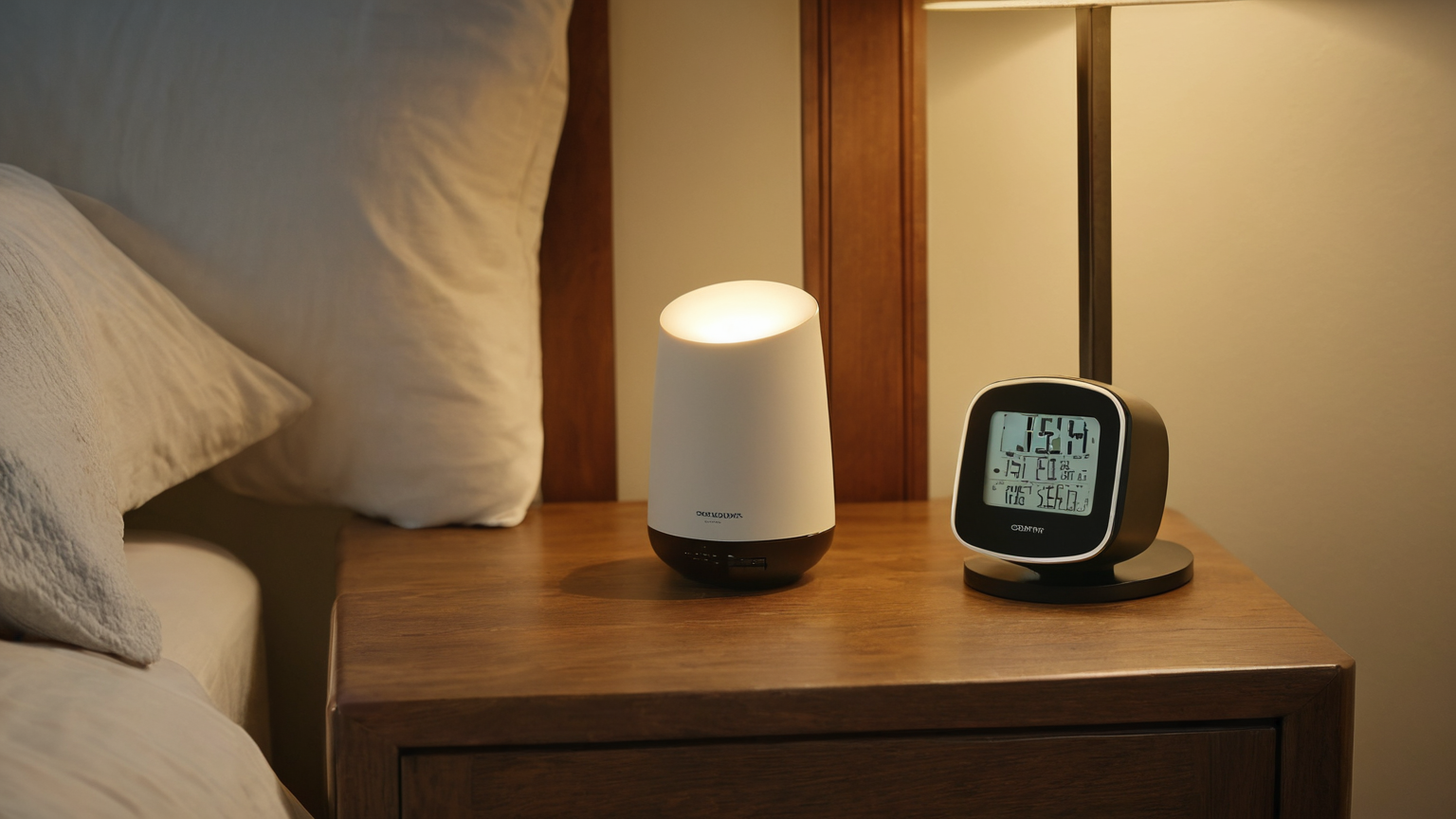
| Room | Better placement | Avoid | First response to repeated high readings |
|---|---|---|---|
| Bathroom | Outside splash zone, near breathing height | Inside shower spray, window sill | Run fan longer, dry towels, check for leaks |
| Basement | Open shelf, away from exterior wall | Floor corner, behind boxes | Improve airflow, inspect water entry, consider dehumidifier |
| Bedroom | Nightstand or dresser in open air | Under bedding, direct sun | Check ventilation and overnight patterns |
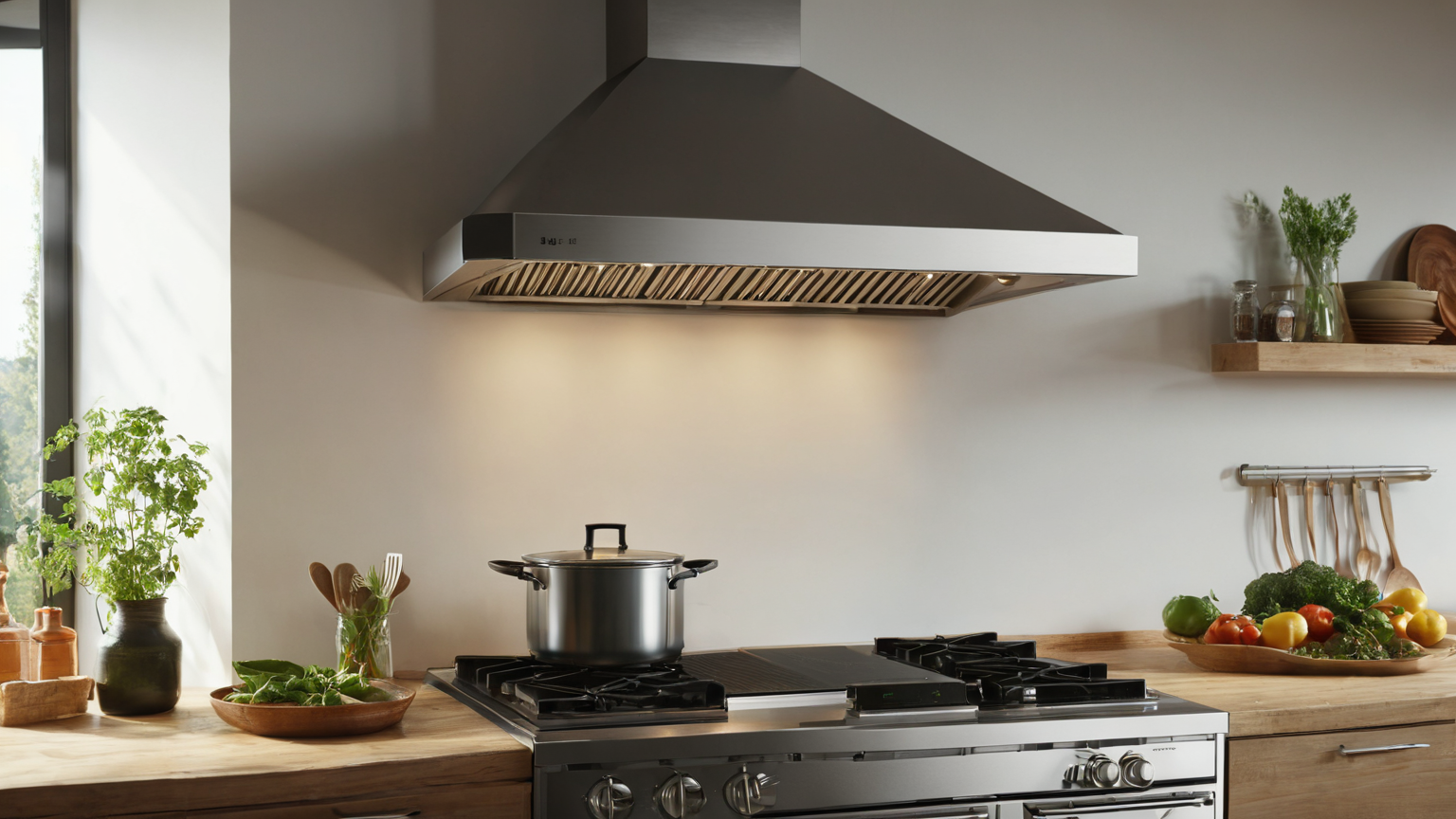
| Kitchen | Away from stove and kettle plume | Above range, beside sink | Use range hood, open airflow briefly |
Place sensors where air mixes
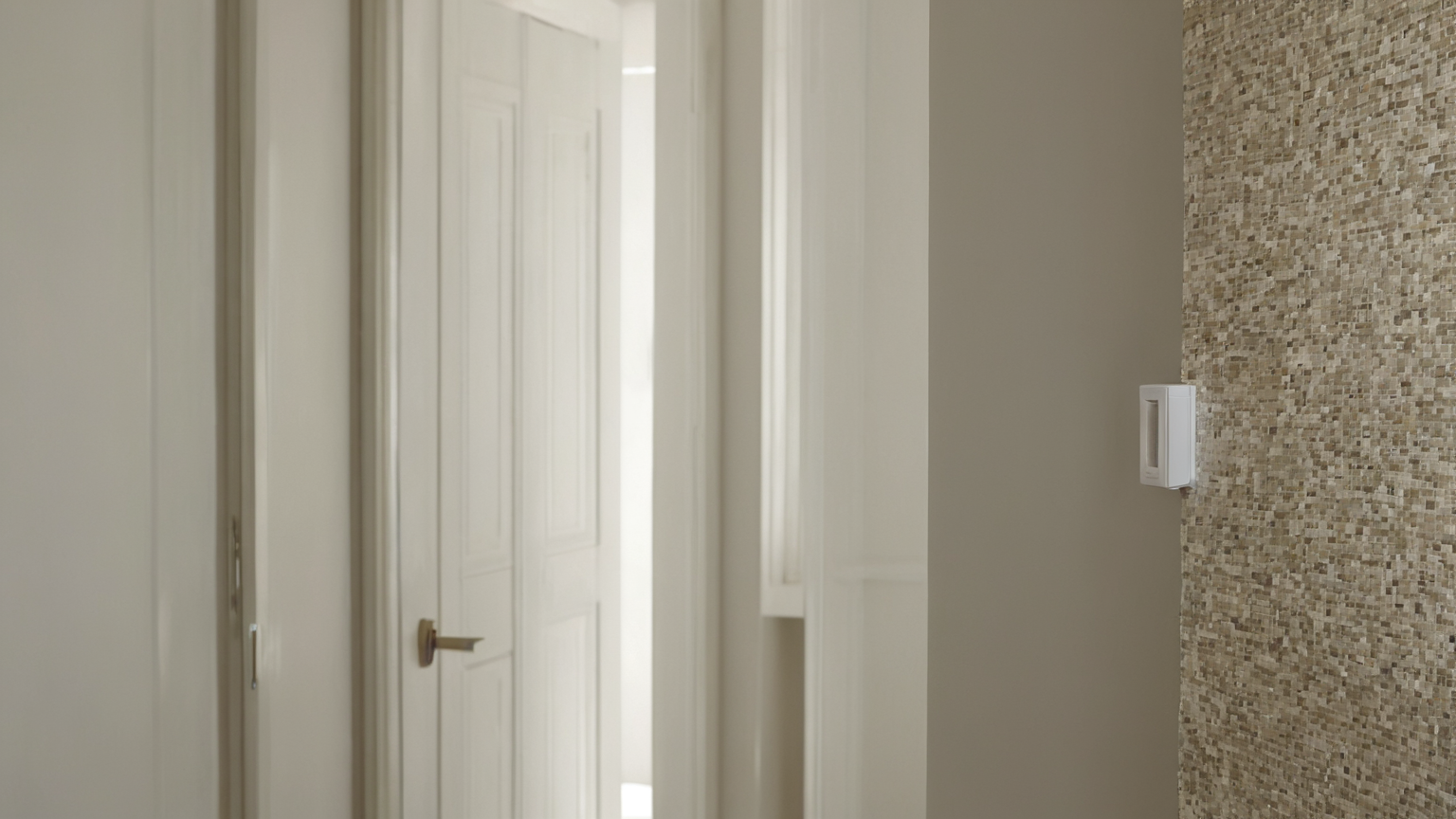
A good position is usually chest height, in open air, away from direct water, heat, sun, vents, and exterior-wall cold spots. The goal is not to catch the most dramatic spike. The goal is to see whether normal room air returns to a comfortable range after the event. If a bathroom spikes during a shower but drops after fan time, that is different from staying damp for hours.
Use alerts as prompts, not panic buttons
Set alerts that ask for action: “run the fan,” “open the door after shower,” “empty dehumidifier,” or “inspect the basement after rain.” Avoid automations that hide the symptom without checking the cause. A dehumidifier can help comfort, but it should not become a way to ignore a roof leak, plumbing leak, drainage issue, or visible mold.
Compare patterns, not one number
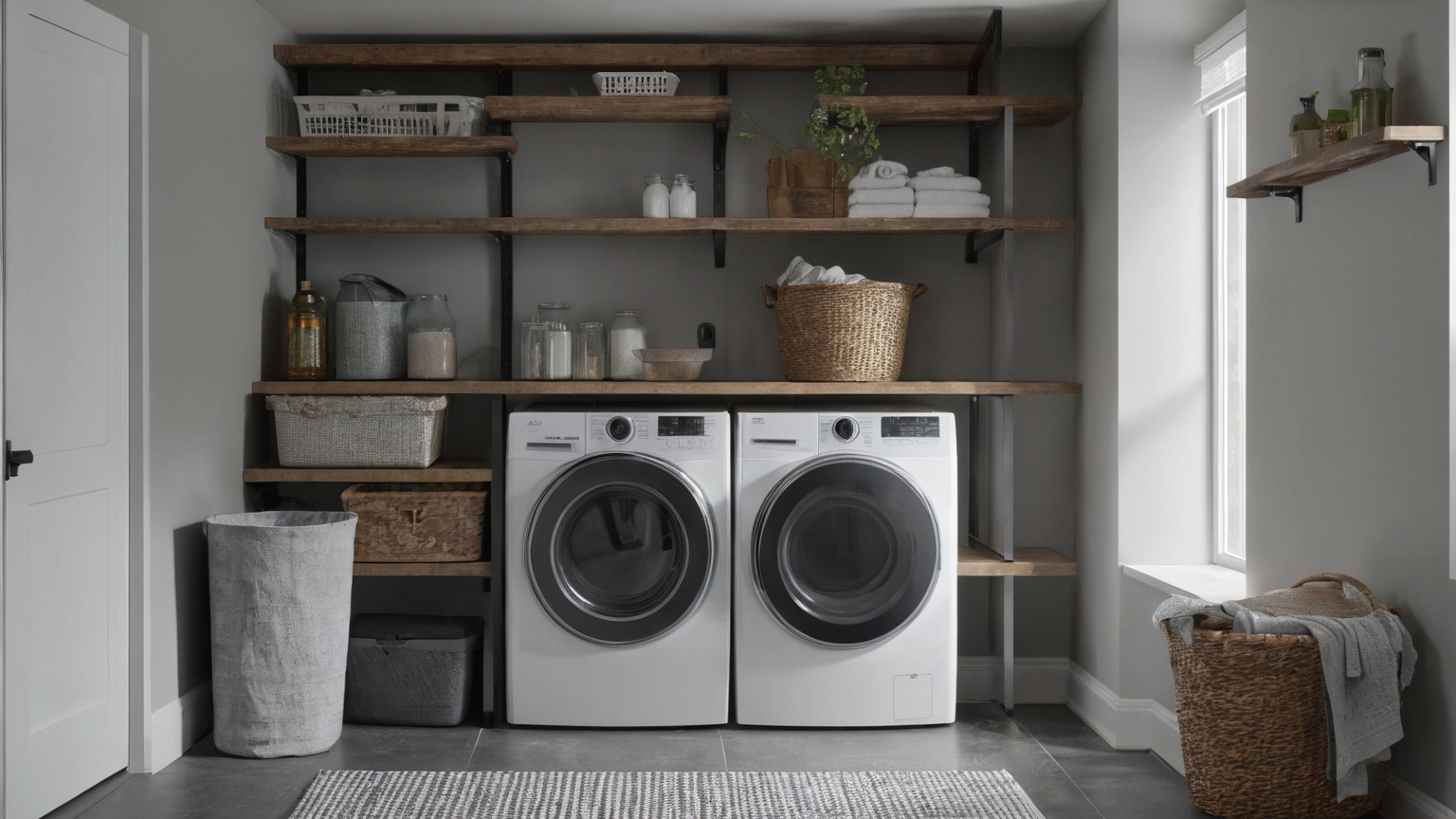
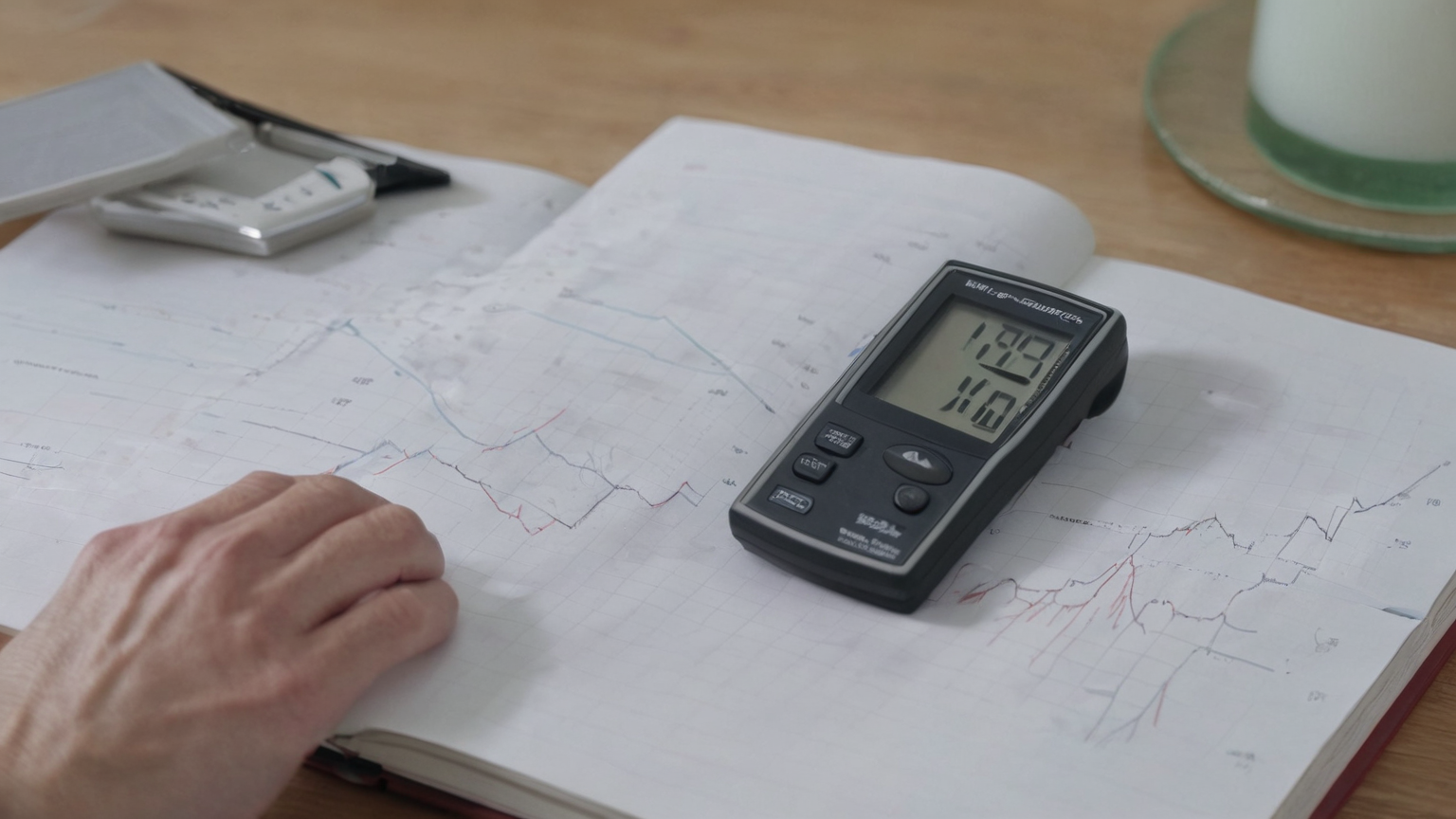
Useful questions are simple: How long does the room stay high after a shower? Does the basement rise after rain? Does a closed bedroom climb overnight? Does opening a door change recovery time? Graphs help when they are compared with real events. Keep a short note for rain, laundry, cooking, showers, window opening, and HVAC cycles.
When readings mean “inspect,” not “automate”
Investigate promptly if high humidity comes with visible mold, staining, swelling trim, peeling paint, recurring musty odor, wet carpet, or condensation inside walls or windows. Smart-home alerts should make the physical inspection easier, not replace it. If moisture keeps returning, fix the source and consider qualified help.
Bottom line
Place humidity sensors in representative air, label what each one watches, and respond to trends. The best setup is boring: a few well-placed sensors, practical alerts, and a habit of checking the room before trusting an automation.